Biobased PA6 – “Breakthrough for Biobased PA6: Genomatica and Sojitz Unite to Drive Sustainable Nylon Forward” 15-10-2025
Biobased PA6
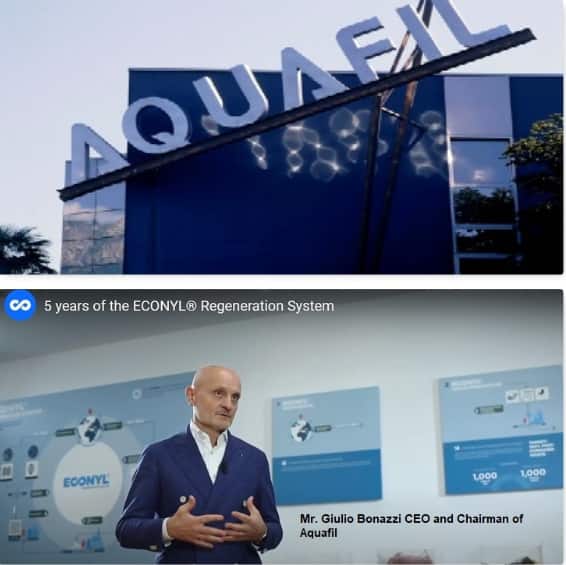
Genomatica (Geno), a U.S.-based biotech innovator, has partnered with Japan’s Sojitz Corporation to fast-track the commercialization of Biobased PA6, a sustainable alternative to petroleum-based nylon. This strategic alliance marks a pivotal moment in the evolution of bio-nylon, a material currently being produced at demonstration scale by Aquafil in Slovenia.
A Strategic Leap Toward Sustainable Nylon
The collaboration between Geno and Sojitz is designed to accelerate the market readiness of Biobased PA6. Sojitz has made a strategic financial investment in the project, bringing not only capital but also commercial and operational expertise to the table. Geno’s CEO, John Gugel, emphasized the importance of this partnership:
“Through this collaboration with Sojitz, we are advancing our mission to enable the industrial-scale production of plant-based polyamide 6 at competitive costs.”
This move aligns with Geno’s broader goal of replacing fossil-based materials with renewable, traceable carbon sources, offering a drop-in alternative to conventional nylon.
What Is Biobased PA6?
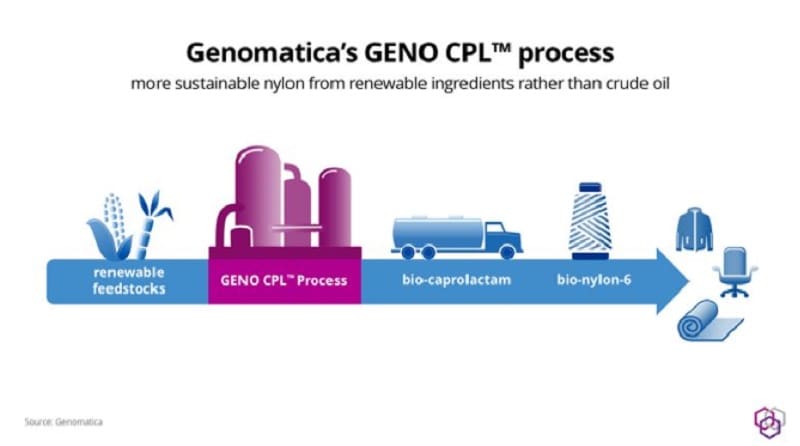
Biobased PA6, or bio-polyamide 6, is a nylon variant derived entirely from renewable plant-based feedstocks. Geno’s proprietary technology enables the production of caprolactam—the key building block of PA6—through fermentation, rather than petrochemical synthesis.
This innovation allows manufacturers to produce 100% renewable PA6, reducing dependency on fossil fuels and significantly lowering the carbon footprint of nylon-based products.
Demonstration Success with Aquafil
Since 2022, Geno has been working with Aquafil, an Italian leader in sustainable fibers, to produce Biobased PA6 at a demonstration plant in Ljubljana, Slovenia. The material has already been used in consumer-facing applications, including:
- lululemon’s Earth Day 2023 campaign
- H&M’s sustainable fashion lines
- Vaude’s eco-conscious outdoor gear
These early applications have proven that Biobased PA6 can meet the performance standards of traditional nylon while offering environmental benefits.
Building a Commercial-Scale Flagship Plant
The next phase of the project involves the construction of a commercial-scale flagship plant, which Geno and Sojitz plan to develop through a dedicated consortium. This facility will be the first of its kind to produce Biobased PA6 at industrial volumes, enabling broader adoption across industries such as:
- Textiles and apparel
- Automotive components
- Consumer electronics
- Industrial applications
The plant will serve as a blueprint for future expansion, helping to scale the production of bio-nylon globally.
Why Biobased PA6 Matters
The environmental impact of traditional nylon production is significant. Nylon 6 is typically made from petroleum-derived caprolactam, a process that emits greenhouse gases and relies on non-renewable resources. Biobased PA6 offers a sustainable alternative by:
- Reducing carbon emissions
- Eliminating fossil feedstocks
- Improving supply chain traceability
- Supporting circular economy principles
For brands and manufacturers looking to decarbonize their supply chains, Biobased PA6 represents a viable and scalable solution.
Geno’s Technology: A Game-Changer
At the heart of this innovation is Geno’s fermentation-based process, which converts plant sugars into caprolactam. This method is:
- Scalable: Suitable for industrial production
- Efficient: Competitive with petrochemical processes
- Sustainable: Based on renewable inputs
- Traceable: Enables carbon accounting and transparency
This technology has the potential to transform the nylon industry, making it more resilient and environmentally responsible.
Sojitz’s Role in Commercialization
Sojitz brings decades of experience in global trade, logistics, and industrial development. Their involvement ensures that Biobased PA6 can be:
- Commercialized rapidly
- Distributed globally
- Integrated into existing supply chains
The partnership also opens doors to Asian markets, where demand for sustainable materials is growing rapidly.
Applications and Market Potential
Biobased PA6 is suitable for a wide range of applications, including:
Apparel and Textiles
- Performance wear
- Sustainable fashion
- Eco-friendly accessories
Automotive
- Lightweight components
- Interior trims
- Engine parts
Consumer Goods
- Electronics casings
- Sports equipment
- Household items
Industrial Uses
- Cable insulation
- Mechanical parts
- Packaging solutions
With growing pressure from consumers and regulators to reduce plastic pollution and carbon emissions, Biobased PA6 is well-positioned to become a mainstream material.
Final Thoughts
The partnership between Genomatica and Sojitz is a milestone for sustainable materials. With Biobased PA6 moving closer to commercial reality, brands now have access to a renewable, high-performance alternative to traditional nylon.
As the flagship plant takes shape, the future of plant-based polyamide 6 looks promising—not just for the environment, but for the entire value chain.
More…