Titanium dioxide alternative – Exciting breakthrough: Oterra and Seprify unveil a natural white titanium dioxide alternative transforming the food & beverage industry’s clean-label and sustainability ambitions 14-11-2025
Titanium dioxide alternative
The food and beverage industry is witnessing a pivotal shift as the widely used white pigment Titanium dioxide (TiO₂) faces increasing regulatory and consumer pressure. In response, two innovation-driven companies — Oterra and Seprify — have forged a partnership to bring a natural white titanium dioxide alternative to market, delivering clean-label credentials and sustainability advantages. Titanium dioxide alternative
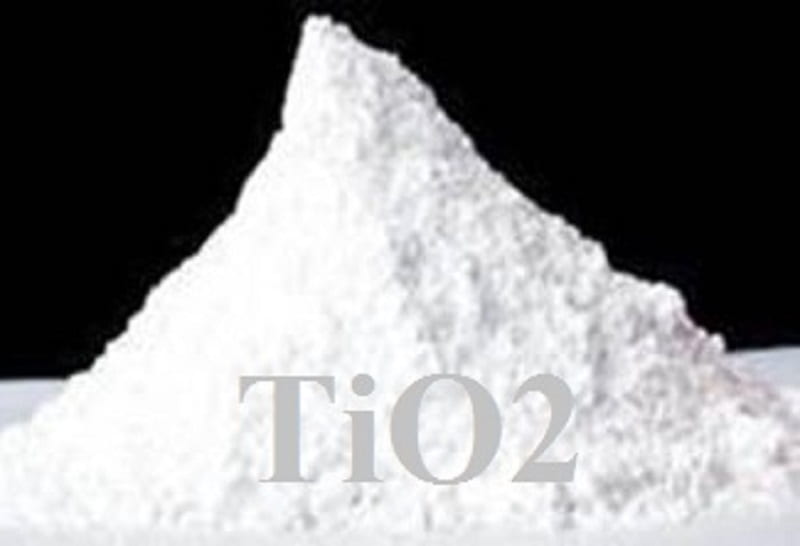
TiO₂ has long been the go-to white colourant for its opacity, brightness and whitening effect, across bakery icings, confectionery coatings, sauces, plant-based meat and dairy, and powdered beverages. But following the EU’s ban on TiO₂ as a food additive (E171) in 2022, and heightened scrutiny of synthetic colourants globally, manufacturers are racing to identify robust alternatives. Insights;Gate+2ingredion.com+2
Oterra and Seprify’s solution is built on Seprify’s patented cellulose-based technology which mimics the optical scattering properties of TiO₂ particles. The collaboration leverages Oterra’s global market reach and applications expertise, and Seprify’s materials-science innovation. The testing phase spanned more than two years across over 15 food categories including bakery icings, confectionery coatings, sauces, plant-based meat and dairy, and powdered beverages. Titanium dioxide alternative
The new white pigment is derived from microcrystalline cellulose (MCC) sourced from FSC-certified virgin wood pulp. It boasts impressive sustainability credentials: it is claimed to reduce CO₂ emissions by around 80 % compared to traditional TiO₂ manufacture. The ingredient is food-safe, nano-compliant, light- stable, heat- and pH-stable, disperses easily, delivers excellent whitening at lower dosage and maintains a neutral flavour and odour.
From a regulatory standpoint the ingredient is registered in MCC form and can be used across food and beverage categories in compliance with EU and US regulation. This addresses a key barrier for many manufacturers seeking a titanium dioxide alternative that meets global compliance and label-friendly demands.
In the context of clean-label trends the phrase “clean-label pigment” has become a powerful driver. Consumer research shows that more than 70 % of consumers prefer not to see titanium dioxide listed on product labels. ingredion.com+1 By offering a natural white pigment, Oterra and Seprify aim to position brands ahead of evolving regulatory requirements and rising ingredient transparency expectations.
For food and beverage manufacturers the benefits are clear: a white pigment that bridges technical performance (opacity, whiteness, stability) with sustainability and label-credibility. Many earlier TiO₂ alternatives required higher dosage, reformulation or compromised on brightness and stability. The new solution intends to overcome those trade-offs.
The partnership also signals renewed momentum in ingredient innovation. As Seprify’s CEO noted, translating scientific validation into commercial momentum is now a priority. The marriage of materials science and food-industry application know-how could accelerate adoption of the new white across multiple categories.
In sum, the introduction of this titanium dioxide alternative is timely and strategic. It aligns with regulatory shifts (such as the EU ban), consumer demand for natural ingredients and brand commitments to sustainability. For manufacturers looking for a clean-label pigment with minimal compromise, the Oterra-Seprify collaboration offers a highly credible option.
Looking ahead, the availability for customer trials now in key regions means early adopters can begin evaluation and formulation. This means brands can move from concept to launch with greater confidence. By embracing this alternative, the industry may well be turning a regulatory challenge into a sustainability-driven innovation opportunity.