Low-emission olefin catalyst – Breakthrough Low-Emission Olefin Catalyst From Chinese Scientists Promises Cleaner Plastic Production and Major Environmental Benefits for Future Global Manufacturing Industries 21-11-2025
Low-emission olefin catalyst
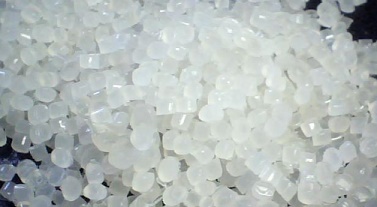
A new scientific breakthrough from China is reshaping the future of sustainable plastics production. Researchers have unveiled a low-emission olefin catalyst capable of converting syngas directly into olefins, offering a cleaner alternative to traditional petrochemical pathways. Olefins serve as the fundamental building blocks for plastics, packaging materials, and many everyday products, making innovations in this field highly significant for both industry and the environment.
A new path for cleaner olefin production
The research team successfully combined the water-gas shift (WGS) reaction with the syngas-to-olefins (STO) process using a sodium-modified FeCx@Fe3O4 core-shell catalyst. This low-emission olefin catalyst approach significantly lowers steam consumption, reduces wastewater discharge, and cuts carbon dioxide emissions compared with the long-established WGS–methanol synthesis–methanol-to-olefins pathway.
By integrating these reactions into a single streamlined process, the scientists demonstrated that olefins can be produced more efficiently and sustainably. This development arrives at a time when global manufacturers are under increasing pressure to reduce emissions without compromising the availability of key materials like plastics.
More diverse energy sources for olefins
One of the most promising advantages of the low-emission olefin catalyst is the ability to use diverse carbon resources. The researchers highlight that coal, natural gas, and biomass can all serve as feedstock, creating far more flexibility compared with oil-based olefin production. This versatility helps reduce reliance on petroleum and supports regions seeking long-term energy security.
The innovation is particularly meaningful for countries aiming to modernize their industrial systems while cutting environmental impact. Using non-petroleum feedstocks through the STO process opens a pathway toward cleaner, more efficient, and more resource-conscious chemical manufacturing.
Supporting China’s dual-carbon goals
Published in Science, the project was conducted by teams from Tsinghua University’s Department of Chemistry and the Ordos Laboratory. The researchers emphasize that the low-emission olefin catalyst aligns directly with China’s dual-carbon strategy: peaking carbon emissions by 2030 and achieving carbon neutrality by 2060.
A key insight from the study is that operating with lower hydrogen-to-carbon-monoxide ratios reduces the need for high amounts of steam in the WGS reaction. This has a double benefit—lower carbon dioxide emissions and significantly less wastewater. The low-emission olefin catalyst therefore demonstrates a practical, scalable way to improve the sustainability of olefin production before full industrial deployment.
The researchers argue that this technology provides a strong alternative to existing methods and offers clear potential for transforming how the chemical sector uses resources. By minimizing waste and emissions while expanding feedstock options, the low-emission olefin catalyst supports global efforts to clean up large-scale industrial processes.
Industry momentum toward sustainable olefins
Momentum within the plastics and chemicals industries is quickly shifting toward sustainable alternatives, making the timing of this scientific advancement especially relevant. Companies across the globe are already pursuing greener olefin pathways, complementing the innovation introduced by the low-emission olefin catalyst.
In Europe, Blue Circle Olefins recently secured funding to advance what it says is the world’s first circular methanol-to-olefins plant in the Netherlands. The facility aims to convert waste-based methanol into new olefin products, reinforcing the rapid growth of circular chemistry solutions.
At K 2025, Vioneo displayed its own alternative pathway utilizing green methanol to produce fossil-free virgin plastics at scale. With a commercial plant in Antwerp ready for broader deployment, the company showcases another example of how global players are pushing the olefin industry toward cleaner, more sustainable models.
These developments reflect an accelerating shift in the sector. The introduction of the low-emission olefin catalyst strengthens this movement, offering a credible scientific foundation for future low-carbon and circular production systems worldwide.
A turning point for sustainable manufacturing
As demand for plastics continues to rise, cleaner production methods are becoming essential. The low-emission olefin catalyst demonstrates that high-volume manufacturing can evolve into a more environmentally responsible industry without sacrificing performance or supply. By reducing emissions, lowering resource use, and broadening feedstock availability, this breakthrough sets the stage for the next era of sustainable chemical production.
More…