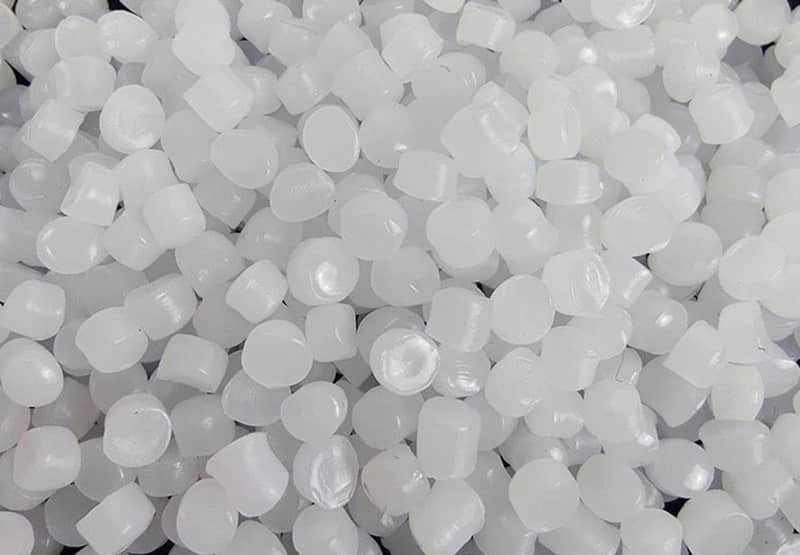
Global Demand for HDPE Blow-Molded and Injection-Molded Containers Surges as Polyolefins Drive Innovation, Sustainability, and Circular Packaging Growth Worldwide 20-10-2025
polyolefins
Introduction
The global market for HDPE (High-Density Polyethylene) containers, produced using blow-molding and injection-molding technologies, is growing at a record pace.
Recent industry reports reveal an expanding demand for lightweight, durable, and recyclable packaging solutions across the food, chemical, and pharmaceutical sectors.
At the heart of this transformation are polyolefins — materials like polypropylene and HDPE that combine versatility, cost efficiency, and environmental sustainability.
Market Overview and Key Data
According to new data from Market Growth Reports (October 2025), the global HDPE blow-molding and injection-molding containers segment is expected to achieve a CAGR above 6% through 2032.
More than 120,000 molding machines operate worldwide, with Asia-Pacific holding roughly 60% of total installed capacity.
These numbers demonstrate the growing dominance of HDPE in rigid-plastic packaging: they offer excellent mechanical resistance, low weight, and recyclability — features that make them indispensable in modern industrial supply chains.
Why Polyolefins Lead the Way
The expanding role of polyolefins in HDPE packaging comes from their unique chemical structure and processing flexibility.
Polyolefin materials maintain stability under heat and pressure, allowing for thinner walls, faster cycles, and lower material use.
Manufacturers benefit from reduced production costs, while brands gain more sustainable packaging aligned with circular-economy principles.
The growing shift toward bio-based HDPE and recycled content further strengthens the environmental performance of this category.

Key Growth Drivers
Several factors are pushing the global HDPE container market forward:
-
Sustainability: Governments and brands are committed to reducing waste, and HDPE enable 100 % recyclability and high energy recovery.
-
Technological innovation: Advances in molding equipment have improved precision and reduced cycle times by up to 25 %.
-
Cost efficiency: Compared to glass or metal, polyolefins deliver the same functionality at a fraction of the weight and price.
-
Regulatory incentives: European and Asian regulations promoting recycled plastics have increased investment in polyolefin recycling systems.
-
Rising consumer awareness: Buyers prefer packaging that communicates environmental responsibility — an area where polyolefins excel.
Market Challenges and Risks
Despite strong prospects, the sector faces structural challenges that could slow growth:
-
Volatile resin prices — as polyolefins are derived from hydrocarbons, cost fluctuations remain tied to oil markets.
-
Environmental scrutiny — producers must ensure traceability and compliance with stricter recycling targets.
-
Competition from alternative materials — aluminum, glass, and biodegradable polymers are entering the market.
-
Infrastructure gaps — in some regions, limited collection and sorting systems restrict the recycling of polyolefins at scale.
Addressing these challenges will require coordinated action across the value chain, from polymer producers to packaging converters.
Future Outlook: Polyolefins Driving Circular Growth
Looking ahead, polyolefins will continue to define the future of global packaging.
Their combination of lightweight strength, chemical resistance, and full recyclability positions them as the backbone of sustainable manufacturing.
With growing investment in recycling infrastructure and bio-based feedstocks, the polyolefins industry is moving toward lower emissions and greater circularity.
Companies that embrace innovation — combining advanced polyolefin materials, efficient molding technologies, and digital optimization — will capture the next wave of industrial growth.
From production to promotion, the message is clear: polyolefins are not just materials of the present — they are the enablers of a smarter, cleaner, and more connected manufacturing future.