US Polyethylene and Ethylene Exports Lose Momentum as Global Demand Cools
US Polyethylene Exports Retreat as Global Demand Weakens and Prices Decline
US polyethylene exports
US Polyethylene Exports Retreat After Exceptional Growth
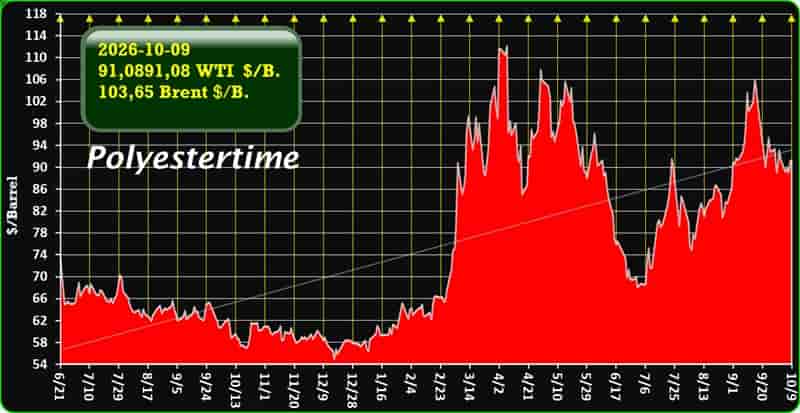
The extraordinary growth in US polyethylene exports that characterized the first months of 2026 is beginning to fade. After benefiting from major supply disruptions linked to the conflict in the Middle East, US producers are now facing a more cautious global market as buyers slow purchases and inventories normalize.
During the peak of the supply shock, the United States became one of the world’s most important alternative suppliers of polyethylene, serving customers across Europe, Latin America, Asia, and Africa. However, recent market data indicates that this export boom is losing momentum as demand weakens and pricing pressures intensify.
Why Polyethylene Demand Is Slowing
Market participants report that many international buyers accumulated significant inventories during the supply uncertainty experienced in March and April. As a result, purchasing activity slowed sharply during May.
Industry sources across Europe have described a noticeable decline in demand, with buyers increasingly purchasing only essential volumes rather than building additional stocks. The slowdown reflects both improved supply availability and concerns about downstream consumption in key manufacturing sectors.
This shift marks a significant change from the panic-buying environment that dominated the market earlier in the year.
Polyethylene Prices Move Lower
The decline in export demand has been accompanied by a correction in polyethylene prices.
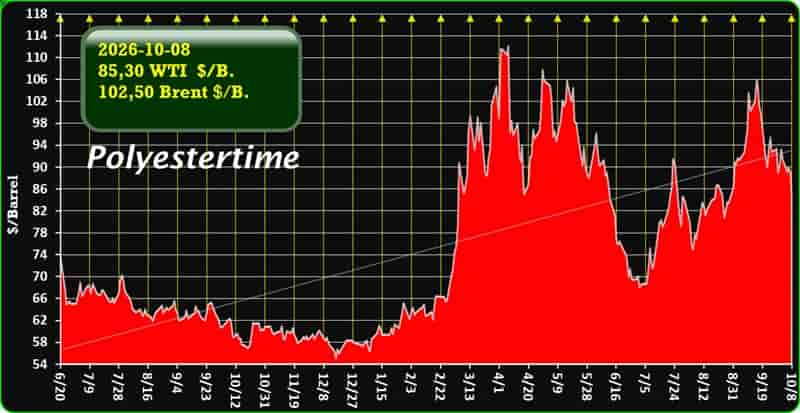
Following strong gains during the early stages of the Middle East disruption, prices for major polyethylene grades have fallen from their April highs. Market participants point to two primary factors:
- Reduced urgency among international buyers
- Increasing competition from Asian suppliers, particularly China
Export offers from the US Gulf Coast remain competitive, but the market no longer reflects the tight conditions seen during the first half of the spring. Recent industry reports also show that export resin prices have softened as global buyers compare US material with alternative sources.
Ethylene Exports Also Show Signs of Weakness
The upstream ethylene market is experiencing a similar trend.
Earlier in 2026, US ethylene exports surged as European buyers sought alternatives to disrupted supply chains. Shipments to Europe increased significantly, with countries such as Belgium, Italy, the Netherlands, and Portugal becoming major destinations for US cargoes.
More recently, however, traders and shipbrokers have reported declining export interest. The reopening of European steam crackers and improved regional availability have reduced the urgency for imported US material.
As export demand softened, US ethylene prices retreated from the highs reached earlier in the second quarter. Market analysts note that higher inventories and weaker derivative demand have contributed to the downward pressure.
A Market Still Supported by Strong Production
Despite weaker exports, the US petrochemical sector continues to benefit from important structural advantages.
Unlike many international competitors that rely heavily on naphtha, US producers maintain access to abundant ethane feedstock. This cost advantage has helped preserve attractive production margins even as prices retreat from their peaks.
Industry participants also note that polyethylene operating rates remain relatively high. As long as downstream polymer plants continue running at strong utilization levels, ethylene demand is expected to receive ongoing support. US polyethylene exports
What to Watch in the Second Half of 2026
Several factors will determine whether the current slowdown becomes a temporary pause or a longer-lasting trend:
- Recovery of manufacturing demand in Europe and Asia
- The pace of inventory reductions among global buyers
- Chinese export competitiveness
- Operating rates at European crackers
- Future developments affecting Middle East petrochemical supply chains
While export volumes are no longer matching the exceptional levels recorded during the height of the supply disruption, the United States remains a critical supplier in global polyethylene and ethylene markets. The coming months will reveal whether demand stabilizes or continues to soften as global trade flows normalize.
Key Takeaway
US polyethylene exports are entering a period of adjustment after months of extraordinary growth driven by geopolitical disruptions. Falling prices, weaker international demand, and growing competition are reducing export momentum. Although the market remains fundamentally supported by competitive feedstock costs and healthy production margins, traders are increasingly focused on demand recovery and the normalization of global supply chains as the second half of 2026 approaches.
Polyethylene Prices Lose Momentum as Demand Cools
More…