Global Oil Price Volatility: How the US-Iran Conflict Drives Crude Markets Above $100
Global Oil Price Volatility: How the US-Iran Conflict Drives Crude Markets Above $100
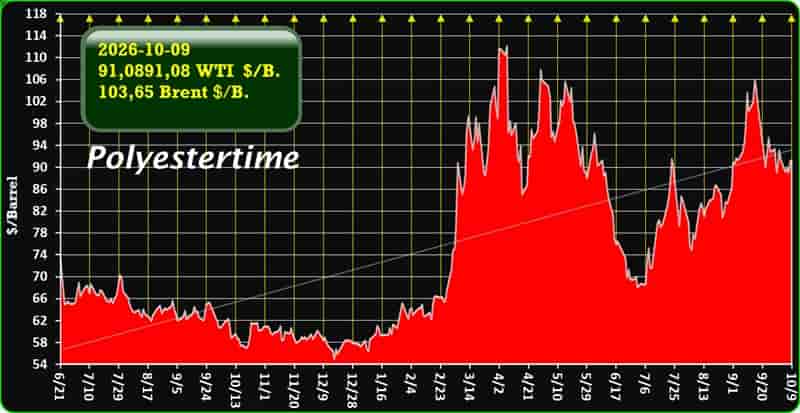
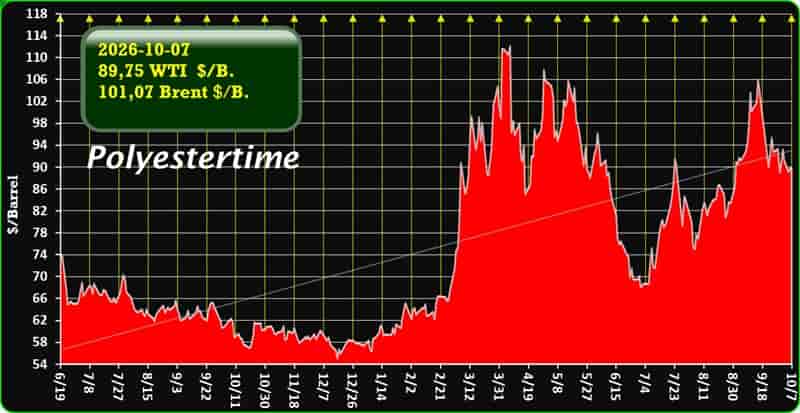
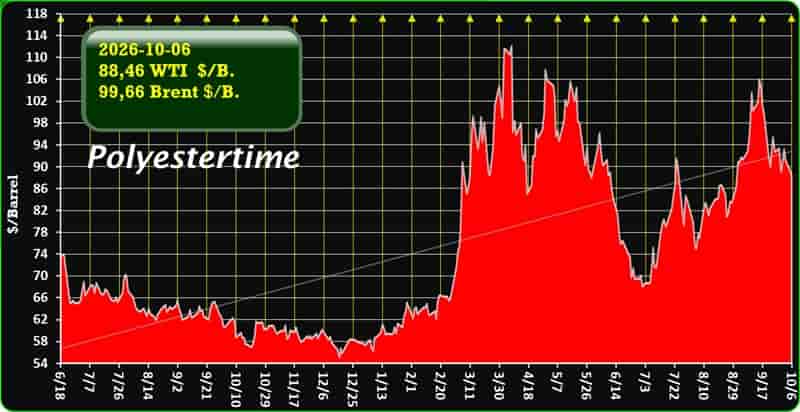
Global energy markets remain caught in a high-stakes balance as geopolitical conflict in the Middle East dictates daily trade dynamics. Benchmark international prices continue to hover at elevated levels, with Brent crude trading near $103 per barrel and West Texas Intermediate (WTI) hovering around $91 per barrel. While recent political signals have temporarily checked further rapid spikes, underlying volatility remains severe across international commodity desks.
The current market environment reflects deep uncertainty surrounding energy security, physical shipping lanes, and international policy responses. For consumers, central banks, and corporate decision-makers, global oil price volatility is no longer a temporary shock—it is an active variable reshaping broader economic planning. Global Oil Price Volatility
1. The Geopolitical Catalyst: Escalation and Restraint in the Middle East
The primary force sustaining crude oil premiums is the lingering friction between Washington and Tehran. Energy traders are constantly weighing military developments against diplomatic communication. Recent market movement was heavily influenced by announcements indicating that major U.S. military strikes against Iranian targets would be put on hold, reassuring traders who had priced in immediate supply destruction. Global Oil Price Volatility
However, de-escalation on paper has not completely erased danger on the water. Regional proxy activities—including missile and drone strikes targeting critical transport hubs and regional energy assets—continue to maintain a high baseline fear premium. The market recognizes that even in the absence of full-scale direct engagement, localized skirmishes can rapidly derail physical supply chains.
2. Maritime Bottlenecks and the Reality of Supply Corridors
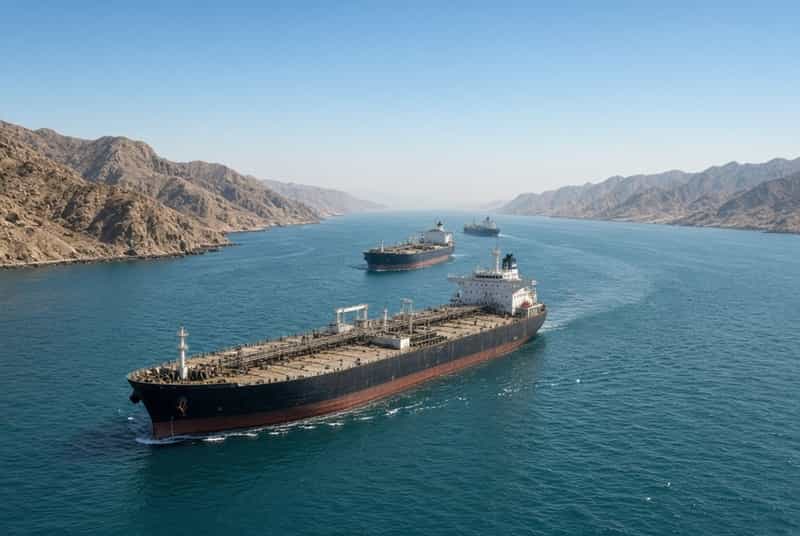
At the heart of market sensitivity lies the Strait of Hormuz, the critical maritime choke point responsible for carrying approximately 20% of global petroleum production. Any threat to standard navigation through this narrow waterway creates immediate reverberations across international exchanges.
While diplomatic updates periodically stress that tanker traffic is moving at or near pre-conflict volume, the conditions on the ground remain far more complex:
-
Maritime Insurance Rates: Maritime insurers have adjusted war-risk premiums upward, significantly increasing the cost per voyage for commercial tanker operations.
-
Route Alterations: Several major global shipping carriers continue to re-evaluate voyage paths, choosing longer or heavily guarded routes to mitigate risk.
-
Naval Escorts and Patrols: Escort deployments maintain a baseline of security, but the threat of quick-strike attacks or electronic signal interference keeps vessel captains cautious.
This friction between physical delivery capability and perceived operational danger is precisely what keeps Brent crude anchored above $100 per barrel. Global Oil Price Volatility
3. Supply Reserves vs. Geopolitical Risk Premiums
To counter market instability and cushion domestic economies from energy shocks, international bodies and major economies have evaluated emergency strategic reserves. The International Energy Agency (IEA) has emphasized that participating countries retain significant strategic stocks—exceeding one billion barrels globally—capable of offsetting acute supply interruptions.
However, tapping strategic reserves provides only short-term operational relief. Reserves cannot fundamentally fix persistent geopolitical risks or replace sustained physical production over an extended timeframe.
                     CRUDE OIL MARKET DYNAMICS

  +-----------------------+          +-----------------------+
  |  Geopolitical Risk    |          |  Strategic Reserves   |
  |  - Strait of Hormuz   |  VERSUS  |  - IEA Emergency Stock|
  |  - Regional Proxy Acts|          |  - US Production Record|
  +-----------+-----------+          +-----------+-----------+
              |                                  |
              +----------------+-----------------+
                               |
                               v
               +-------------------------------+
               | Current Price Settlement Point|
               |  Brent: ~ $103 / bbl          |
               |  WTI:   ~ $91 / bbl           |
               +-------------------------------+
Concurrently, U.S. domestic crude oil production has climbed to historic highs, approaching nearly 14 million barrels per day. Yet even record domestic output has been insufficient to completely decouple domestic prices (WTI) from global benchmarks (Brent), as crude oil remains a globally connected commodity. Global Oil Price Volatility
4. Economic Consequences: Inflation and Central Bank Pressures
The ripple effects of elevated energy costs stretch far beyond trading floors. Prolonged crude trading above $90–$100 per barrel translates directly into higher prices for transportation, manufacturing inputs, and refined consumer fuels such as gasoline and diesel.
                   MACROECONOMIC TRANSMISSION CHAIN

  +-------------------+      +-------------------+      +-------------------+
  |  Higher Crude     | ---> | Increased Freight | ---> | Higher Consumer   |
  |  Oil Prices       |      | & Refined Fuel    |      | Inflation (CPI)   |
  +-------------------+      +-------------------+      +-------------------+
                                                                  |
                                                                  v
                                                        +-------------------+
                                                        | Prolonged Higher  |
                                                        | Interest Rates    |
                                                        +-------------------+
This dynamic creates a major policy challenge for global central banks:
-
Persistent Headwind for Inflation: Energy is an input cost across virtually all economic sectors. Sustained oil prices slow down the cooling of core inflation metrics.
-
Interest Rate Stance: Instead of pursuing planned monetary easing or rate cuts, central banks may be forced to maintain higher interest rates for longer to combat energy-driven price pressures.
-
Broad Market Volatility: Persistent high interest rates coupled with elevated energy costs drag on corporate profit margins, feeding broader volatility across global equities and sovereign bond yields.
5. Market Outlook: What Traders and Analysts Are Watching
Looking ahead, the market trajectory will likely hinge on three critical signals:
-
Diplomatic and Military Signals: Any shift in official diplomatic posture between Washington and Tehran will prompt immediate price adjustments. Re-evaluations of military options can quickly swing prices several percentage points within minutes.
-
Chokepoint Incident Severity: The frequency and physical impact of attacks targeting commercial shipping or regional infrastructure will determine whether war-risk insurance premiums rise or return to normal.
-
OPEC+ and Strategic Reserve Actions: Official policy decisions by OPEC+ regarding output quotas, combined with potential coordinated releases from IEA emergency reserves, will define the physical floor for crude prices. Global Oil Price Volatility
Key Takeaways
Global oil price volatility remains tightly linked to Middle Eastern developments. With Brent remaining elevated near $103/bbl and WTI trading around $91/bbl, short-term price movements will continue to reflect news headlines and political developments. Until lasting structural stability returns to primary maritime transport corridors, market participants should anticipate continued price shifts across energy markets.
Terrifying Oil Price Surge 2026: Brent Rockets Past $104 as War Threats and Gulf Hurricanes Collide
More….