US-Iran War Drives Brent to $102: Global Oil Price Impact
US Iran oil prices
US-Iran War and Escalating Oil Prices: Brent Hits $102 as Global Markets React
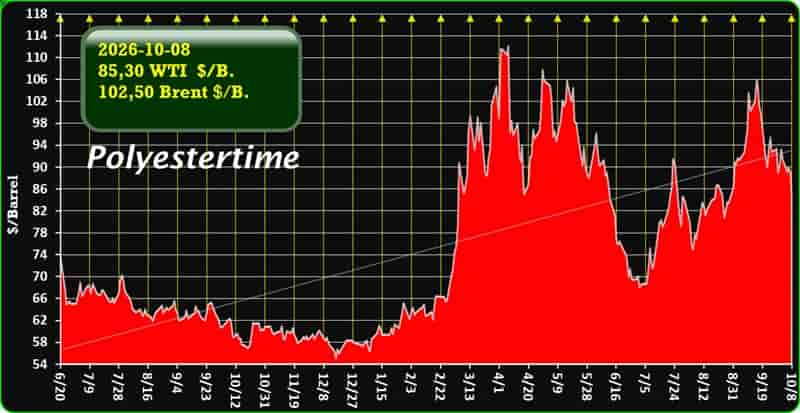
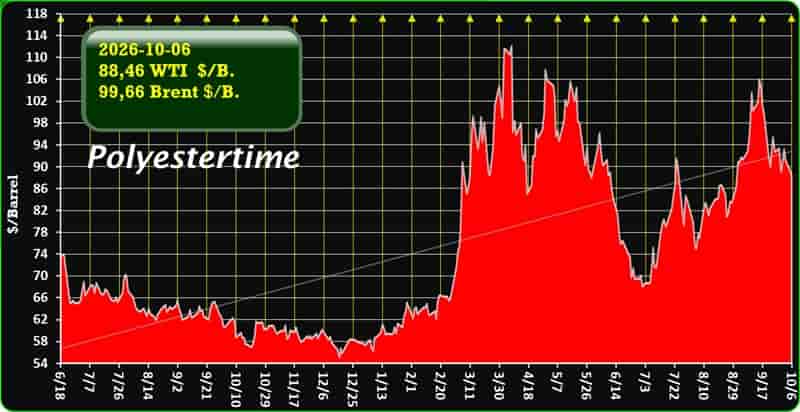
The global energy sector faces severe headwinds as geopolitical conflict in the Middle East continues to destabilize oil production and maritime supply lines. With Brent crude rising around $102 per barrel and West Texas Intermediate (WTI) trading around $85 per barrel, energy markets are pricing in prolonged volatility.
Military escalations between the United States and Iran have drawn global attention to energy infrastructure, shipping safety, and economic stability. Central banks and energy agencies are re-evaluating risk assessments as supply disruptions threaten to reignite global inflationary pressures. US Iran oil prices
1. The Current State of Crude Benchmarks: Brent vs. WTI
The current price spread between global benchmark Brent crude ($102/B) and US benchmark WTI ($85/B) reflects distinct geographic realities.
-
Brent Crude ($102/B): The international benchmark carries a heavy risk premium due to its direct exposure to Middle Eastern supply lines and European energy security. Maritime disruptions in vital shipping lanes directly impact Brent-linked contracts.
-
WTI Crude ($85/B): The US domestic benchmark trades at a discount to Brent. Strong domestic production in North America provides a relative cushion, though US refiners and consumers remain vulnerable to global price hikes.
This wide spread underlines how localized risks along Eurasian trade routes disproportionately affect global crude contracts relative to North American supplies.
2. Military Conflict and Supply Chain Bottlenecks
Military friction between the United States and Iran remains the principal catalyst behind rising energy costs. Security threats in key maritime regions—most notably the Strait of Hormuz—have slowed commercial tanker movement and raised transit insurance premiums. US Iran oil prices
               [ US-Iran Military Friction ]
                             │
                             ▼
              [ Strait of Hormuz Disruptions ]
                             │
            ┌────────────────┴────────────────┐
            ▼                                 ▼
[ High Tanker Insurance ]        [ Extended Shipping Routes ]
            │                                 │
            └────────────────┬────────────────┘
                             ▼
              [ Brent Surges past $102/B ]
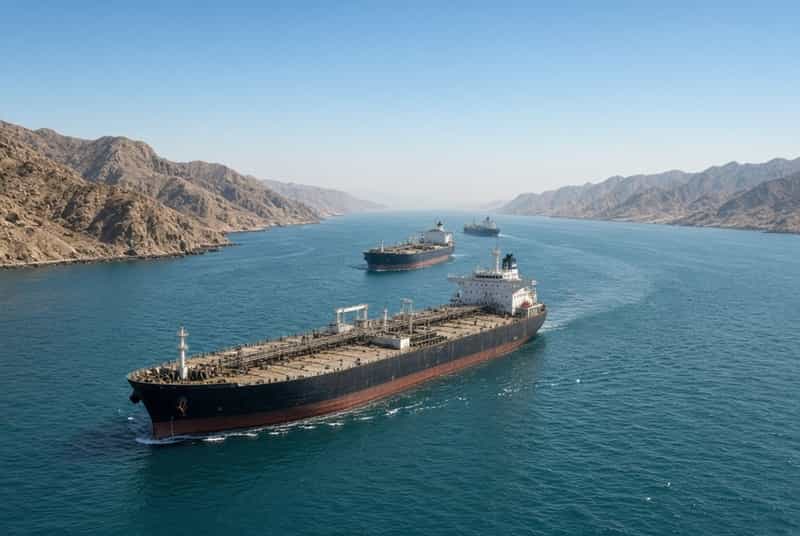
Tanker operators are navigating heightened risks in the Gulf, with insurance underwriters increasing premiums for vessels entering volatile shipping zones. Even partial bottlenecks through the Strait of Hormuz impact millions of barrels per day, triggering immediate precautionary buying from global buyers seeking to hedge against supply shocks. US Iran oil prices
3. Global Energy Agency Responses and Strategic Reserves
International energy organizations are coordinating measures to cushion markets against supply deficits. The U.S. Energy Information Administration (EIA) recently revised its short-term price forecasts upward, projecting sustained high prices as long as geopolitical conflict risks persist. US Iran oil prices
┌────────────────────────────────────────────────────────────────────────┐
│                        COORDINATED MARKET RESPONSES                    │
├───────────────────────────────┬────────────────────────────────────────┤
│ U.S. EIA Actions              │ Revised 2026 average price targets     │
│                               │ higher to reflect lower inventory reserves. │
├───────────────────────────────┼────────────────────────────────────────┤
│ Strategic Stock Releases      │ Coordinated releases of crude and      │
│                               │ middle-distillate reserves (e.g., diesel). │
├───────────────────────────────┼────────────────────────────────────────┤
│ Industry Adaptations          │ Shifting ship routes around risk areas  │
│                               │ and ship-to-ship transfer operations. │
└───────────────────────────────┴────────────────────────────────────────┘
Member nations of the International Energy Agency (IEA) and G7 partners have prepared emergency stock drawdowns—focusing on refined fuels like diesel, where global reserves are tightest. While strategic releases can calm immediate panic, market analysts emphasize that emergency reserves offer temporary relief rather than a permanent solution to systemic structural deficits.
4. Economic Consequences: Inflation and Central Bank Dilemmas
Rising energy prices directly impact industrial production, transportation, and consumer spending power. Higher crude costs quickly translate into elevated fuel prices at the pump and increased logistics expenses across commercial supply chains. US Iran oil prices
Macroeconomic Risks
-
Re-ignited Inflation: Elevated fuel costs raise production costs across food, manufacturing, and transport sectors.
-
Central Bank Monetary Policy: Persistent high energy prices make it challenging for central banks to ease interest rates, as rising energy costs risk secondary inflationary spirals.
-
Stagflationary Pressure: Developing energy-importing economies face slowing growth coupled with high input costs, raising risks of economic stagnation. US Iran oil prices
5. What Lies Ahead for Energy Markets?
The trajectory of crude prices hinges on three main variables:
-
Conflict Resolution vs. Escalation: Any diplomatic breakthrough or de-escalation between Washington and Tehran could rapidly remove the geopolitical risk premium from crude futures. Conversely, direct damage to major production facilities could push Brent well above present levels.
-
Alternative Supply Adjustments: Non-OPEC output increases and supply route reconfigurations will determine how effectively the market replaces disrupted Middle Eastern volumes.
-
Demand Elasticity: Prolonged prices above $100/B typically lead to demand destruction in price-sensitive emerging markets, potentially establishing an upper ceiling for crude.
Markets are remaining on high alert. Investors, businesses, and policymakers are balancing short-term supply defense strategies against the broader economic realities of high energy prices.
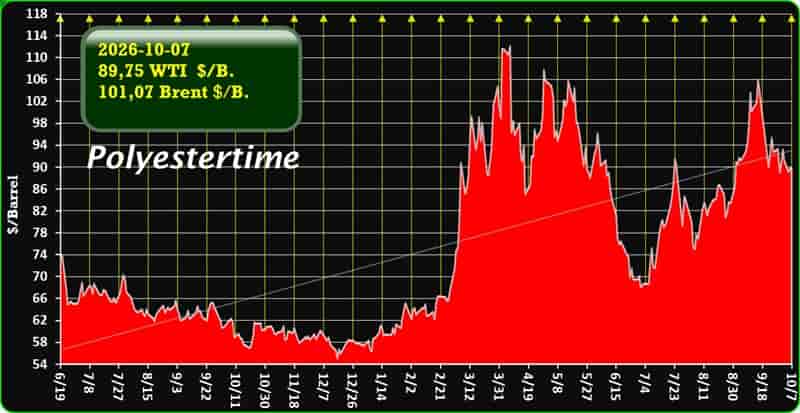
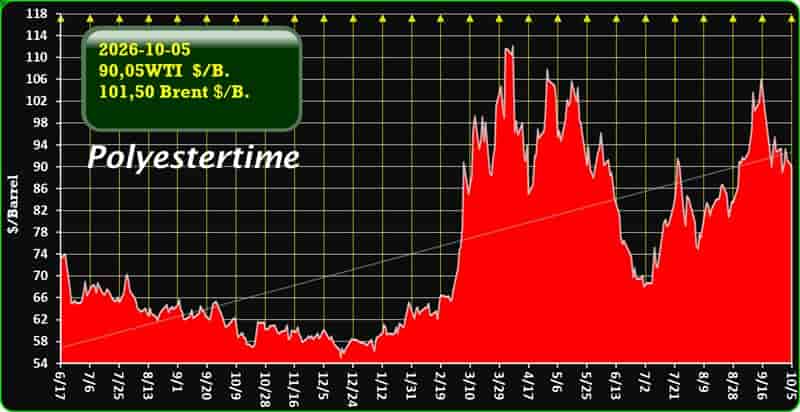
US-Iran Conflict and Global Oil Prices: Brent at $101 and WTI at $90 Signal High Volatility
More…