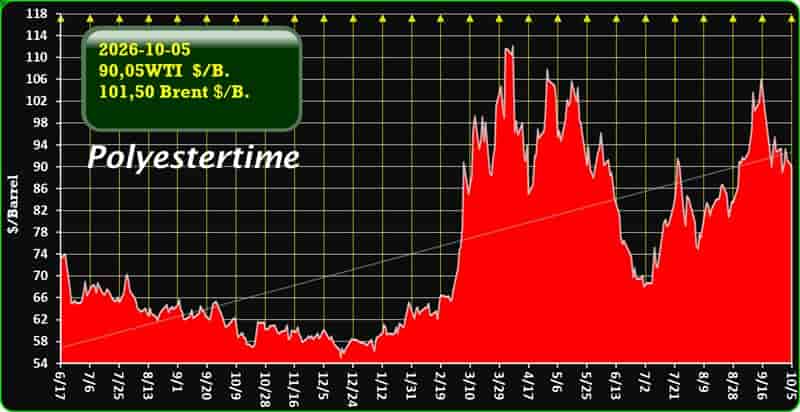
US-Iran Conflict and Global Oil Prices: Brent at $101 and WTI at $90 Signal High Volatility
US Iran oil prices
US-Iran Conflict and Global Oil Prices: Brent at $101 and WTI at $90 Signal High Volatility
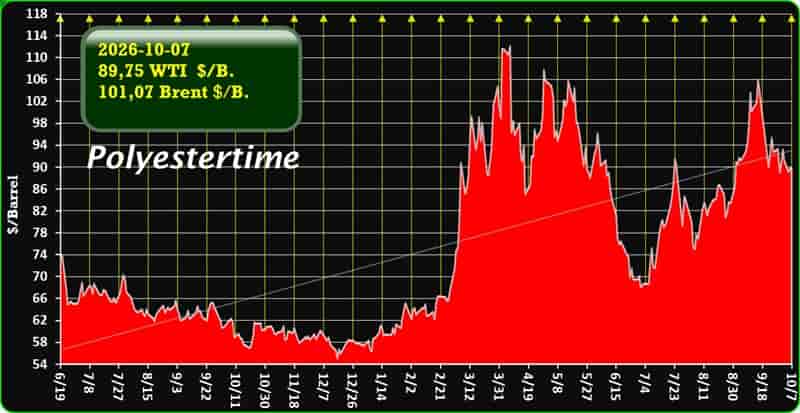
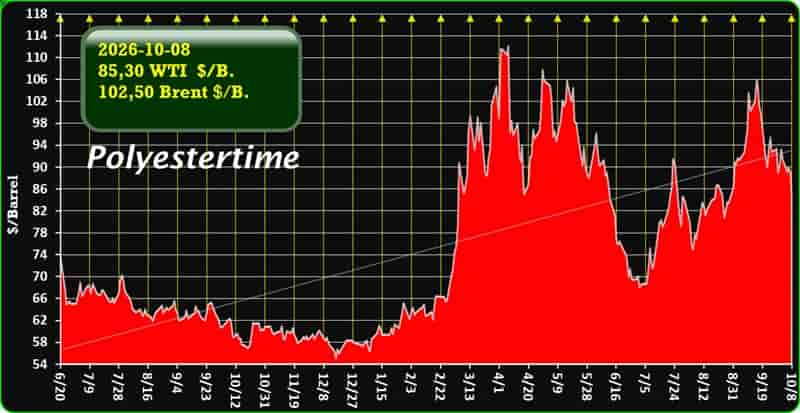
Global energy markets remain on high alert as persistent geopolitical friction between the United States and Iran continues to drive crude oil valuations. With the international benchmark Brent crude currently hovering around $101 per barrel and West Texas Intermediate (WTI) trading near $90 per barrel, energy traders, governments, and consumers are preparing for prolonged economic friction. The supply corridor through the Middle East remains fraught with vulnerability, embedding a persistent risk premium across global commodity exchanges.
While oil prices have shown brief pullbacks from peak spikes due to strategic reserve management and shifting regional trade flows, fundamental structural risks remain unaddressed. Financial institutions, market participants, and regulatory agencies are closely monitoring military escalations, maritime security along key shipping corridors, and updated macroeconomic forecasts, all of which point to elevated energy costs heading into the coming quarters. US Iran oil prices
The Current Price Dynamic: Brent vs. WTI Spread
The divergence between Brent crude at $101/bbl and WTI crude at $90/bbl illustrates the disproportionate impact of regional maritime security on international sea-borne freight. Brent serves as the primary benchmark for waterborne crude cargoes globally, making it immediately sensitive to disruptions in Middle Eastern logistics channels and Persian Gulf transit hubs. In contrast, WTI measures domestic inland supply in North America, where domestic production in regions like the Permian Basin provides a partial buffer against localized sea-lane cutoffs.
However, WTI trading at $90 per barrel confirms that North American markets cannot fully decouple from international price shocks. As European and Asian importers seek non-Middle Eastern crude cargoes to secure their supply chains, demand for American crude exports increases significantly. This international demand pull elevates domestic prices, ensuring that US refiners and consumers absorb global pricing pressures despite domestic production capacity. US Iran oil prices
Strait of Hormuz and Maritime Logistics Vulnerabilities
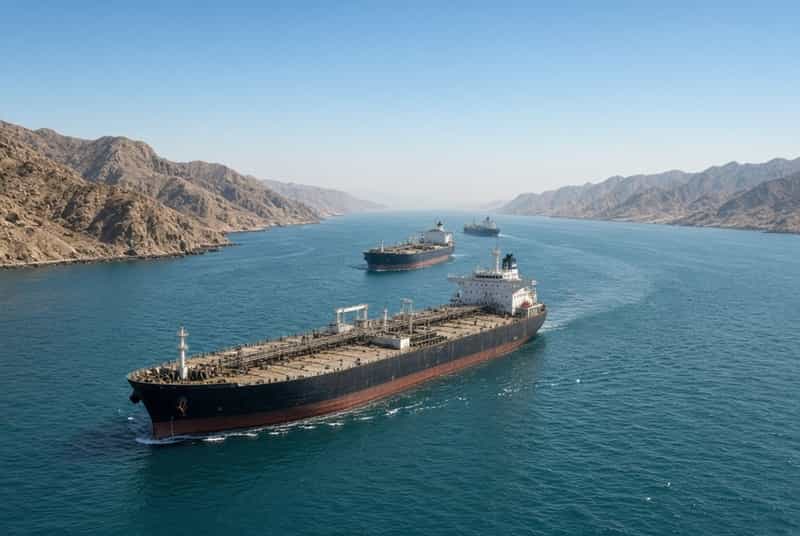
At the heart of global market volatility is the operational security of major maritime chokepoints, particularly the Strait of Hormuz and the Bab-el-Mandeb strait. Historically handling approximately 20% of global petroleum liquids, the Strait of Hormuz remains a primary geopolitical flashpoint. Recent security threats involving commercial tankers, heightened naval patrols, and regional military engagements have sharply increased war-risk insurance premiums for cargo vessels in the Persian Gulf.
Even when physical production levels at Gulf oilfields remain stable, distribution logistics face severe friction. Soaring insurance coverage costs, extended transit times caused by rerouting around the Cape of Good Hope, and localized tanker shortages create substantial cost surcharges. These logistical expenses are factored directly into physical crude purchase contracts, maintaining a firm floor under global oil prices regardless of baseline production rates. US Iran oil prices
Official Forecasts and Economic Stockpile Shifts
Leading international financial organizations and energy monitoring bodies have systematically revised their medium-term price projections upward in response to extended conflict conditions. The U.S. Energy Information Administration (EIA) recently raised its crude oil price outlook, citing global inventory drawdowns and sustained Middle Eastern supply disruptions as key drivers.
Key economic indicators and forecast revisions highlight the broader market environment:
-
EIA Forecast Adjustments: The U.S. EIA has revised its expected annual average price for Brent crude to roughly $98 per barrel, marking a notable increase from earlier estimates as global commercial inventories decline.
-
Financial Sector Projections: Leading institutions, including BMI Research, have raised their medium-term Brent forecasts to near or above $93–$100 per barrel, citing supply chain friction and reduced operational buffers.
-
Strategic Reserve Deployments: Coordinated emergency oil releases by major economies through international frameworks have provided temporary market liquidity, but analysts stress these measures cannot replace ongoing physical supply disruptions in Middle Eastern export capacity.
Impact on Refined Products and Inflation
The economic consequences of $101 Brent crude extend beyond commodity trading floors into consumer markets, driving up costs for refined petroleum products such as diesel, gasoline, and jet fuel. Commercial transport, agriculture, and air freight networks face immediate operational cost increases, which sequentially filter into headline inflation metrics.
In energy-importing nations, sustained high fuel prices increase baseline costs for manufacturing, electricity generation, and heavy transportation. Central banks are monitoring these energy supply shocks carefully, as persistent fuel price increases risk re-igniting core inflation, altering planned rate cuts, and complicating broader monetary policy decisions. US Iran oil prices
Market Outlook and Potential Scenarios
Energy analysts project that crude oil valuations will remain closely tied to geopolitical developments between Washington, Tehran, and regional forces. Market trajectories over the coming quarters are expected to align with two main scenarios:
-
Escalation or Sustained Conflict: Continued military friction and threats to Persian Gulf shipping channels could trigger additional supply shocks, driving Brent crude toward $110 or $120 per barrel. In this environment, low global inventories leave industrial economies vulnerable to acute price spikes.
-
Diplomatic De-escalation and Route Normalization: A verified diplomatic agreement or the establishment of secured maritime transit corridors would likely remove the geopolitical risk premium quickly. Restoring smooth export flows from Gulf producers could see Brent recalibrate toward $80 per barrel as freight costs and insurance premiums normalize.
Until definitive security guarantees or diplomatic resolutions are established, global crude oil prices will continue to trade with elevated volatility. Market participants must continue navigating risks tied to geopolitical developments, rising transport overhead, and ongoing shifts across international energy benchmarks.
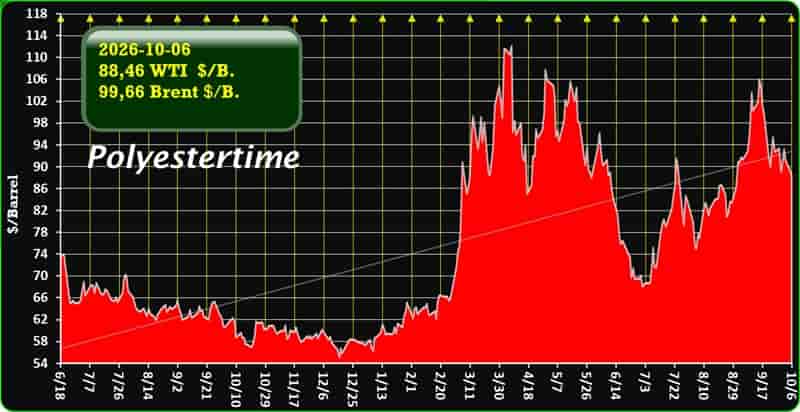
US-Iran War Oil Shock: Brent at $99/B and WTI at $88/B as Markets Weigh Gulf Supply Risks
More…