Global Oil Price Volatility: How the US-Iran Conflict Drives Crude Markets Above $100
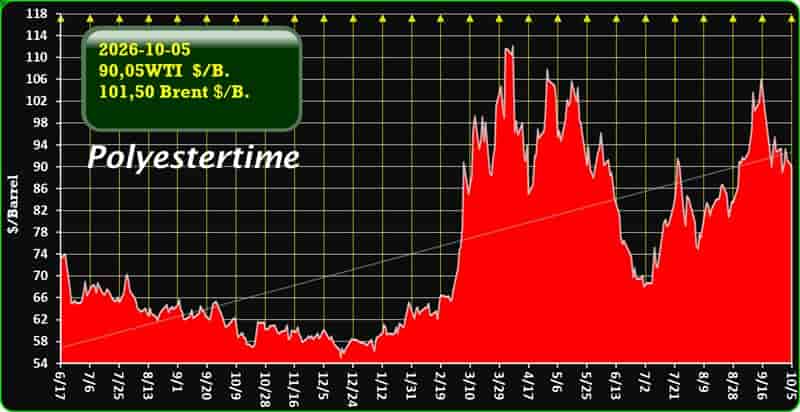
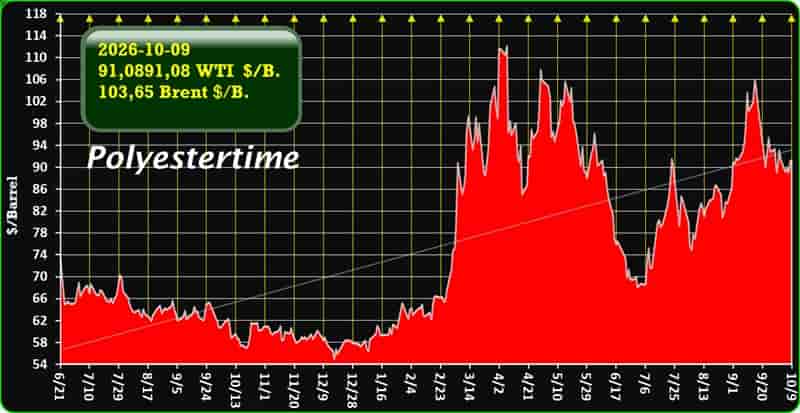
Brent crude holds around $103/bbl while WTI trades at $91/bbl as geopolitical conflict between the US and Iran feeds global energy market volatility.

Brent crude holds around $103/bbl while WTI trades at $91/bbl as geopolitical conflict between the US and Iran feeds global energy market volatility.
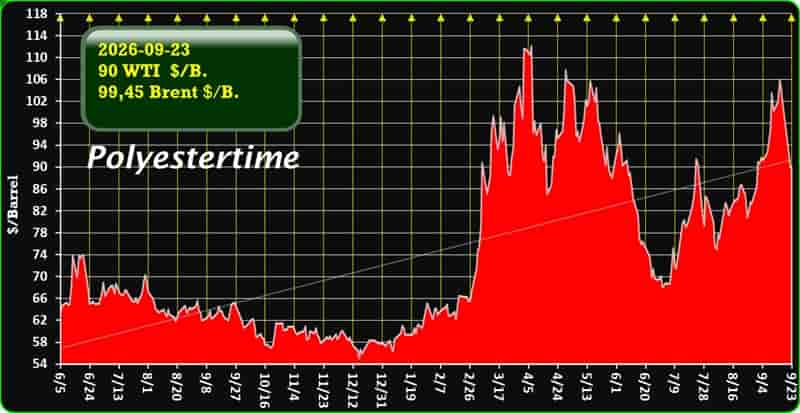
As Brent crude hits $102 and WTI reaches $90, the escalating US-Iran conflict threatens global energy supply and shipping through the critical Strait of Hormuz.
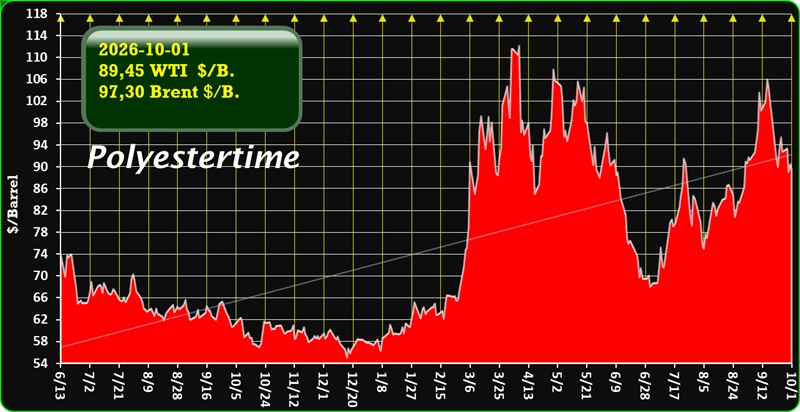
Brent crude touches $97/bbl and WTI holds near $90 as tensions between the US and Iran escalate. Here is how supply risks, central banks, and trade flows are shaping global markets.
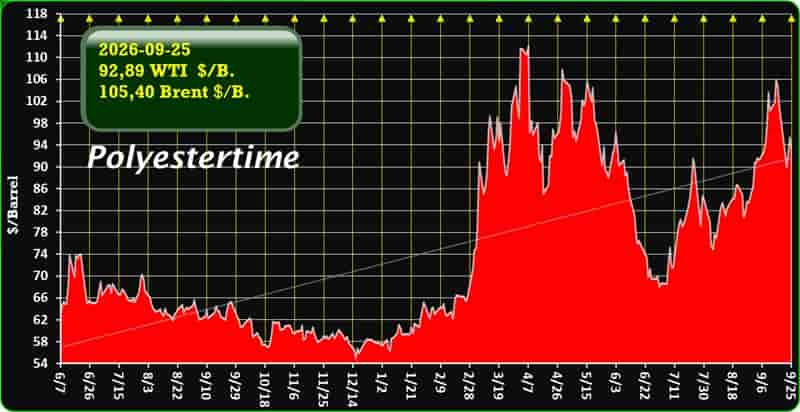
Brent crude holds near $105/bbl and WTI sits at $93/bbl as diplomatic deadlocks and Strait of Hormuz blockades keep global energy markets volatile.
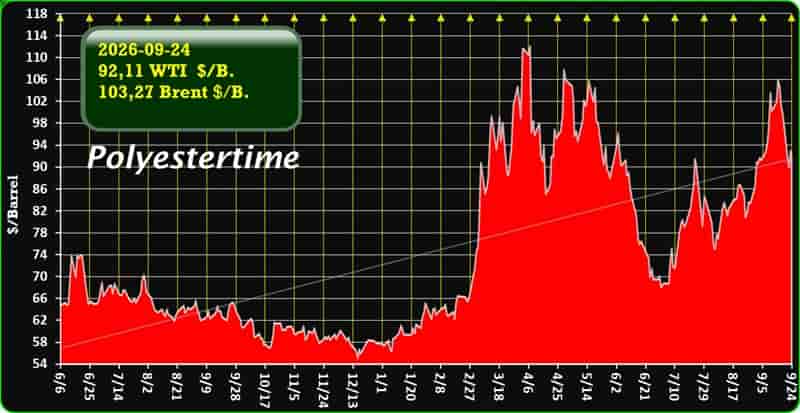
Global energy markets face volatility as Brent trades near $104/B and WTI holds around $93/B amid shifting diplomatic signals and conflict risks between the US and Iran.
Brent crude sits near $99/bbl and WTI around $90/bbl as traders balance US-Iran diplomatic signals against persistent supply threats in the Middle East.
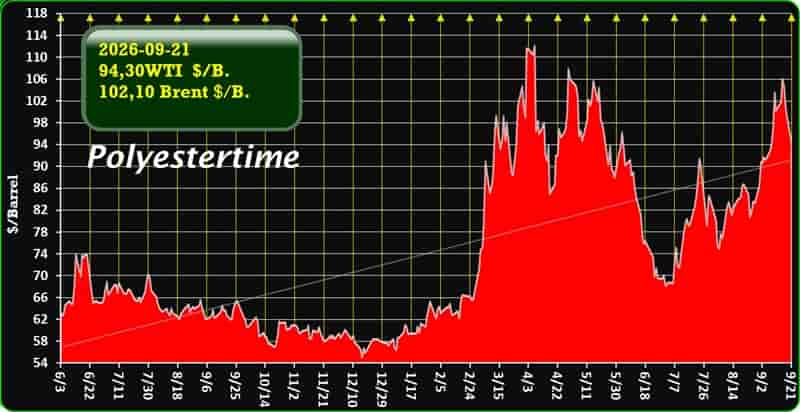
With Brent crude floating near $102/bbl and WTI around $94/bbl, global markets weigh ongoing US-Iran tensions against delicate diplomatic breakthroughs.
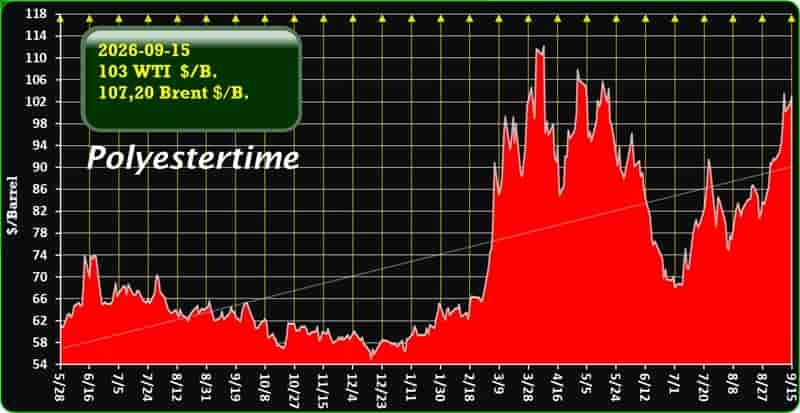
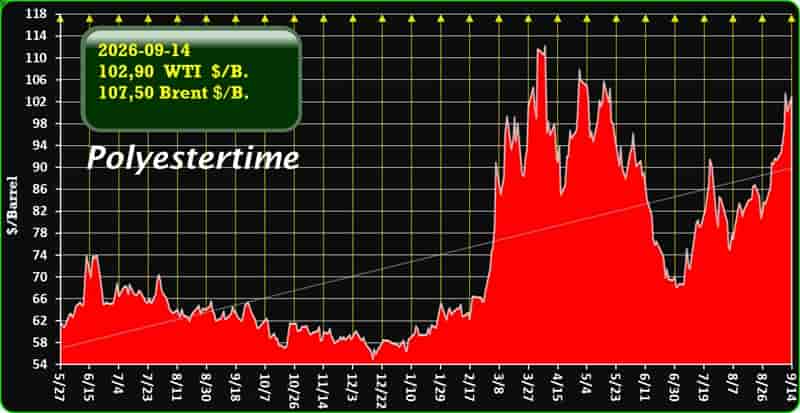
Global oil prices surge past historic benchmarks, with Brent reaching $108 and WTI touching $103 due to escalating US-Iran conflict, pipeline shutdowns, and Gulf shipping chokepoints.
Brent is trading near $107 a barrel and WTI near $103 as the US-Iran war, shipping disruption and attacks on Saudi energy infrastructure intensify supply concerns.