Iran War Oil Prices: Brent Near $85 as Hormuz Risks Rise
Iran War Oil Prices: Why Brent Is Near $85 and WTI Near $80
Updated: 14 July 2026
Oil prices are rising again as renewed fighting between the United States and Iran intensifies concerns about supplies moving through the Strait of Hormuz.
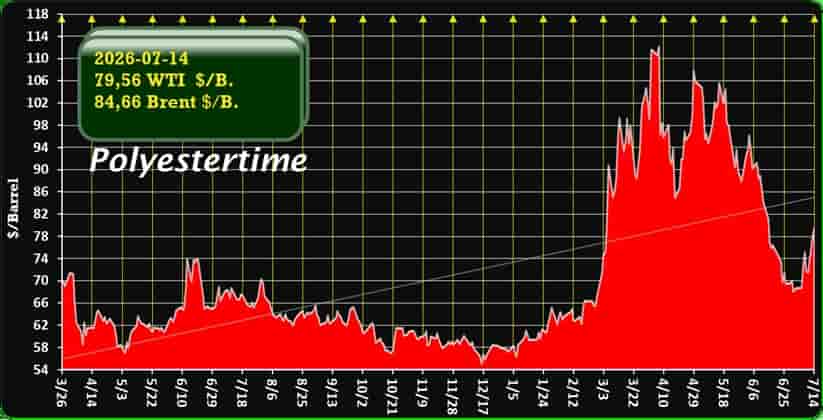
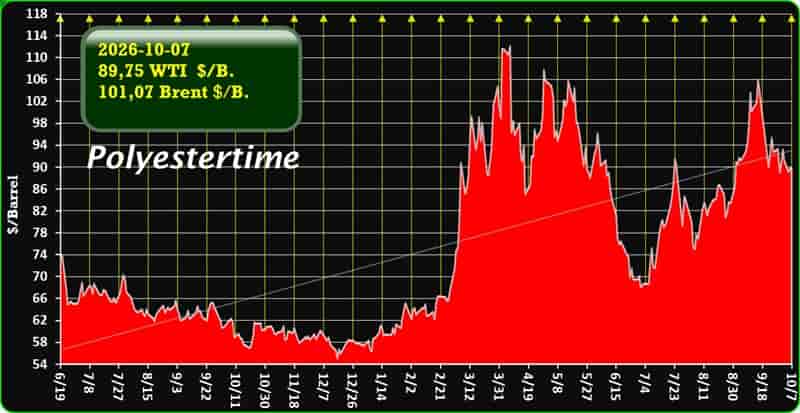
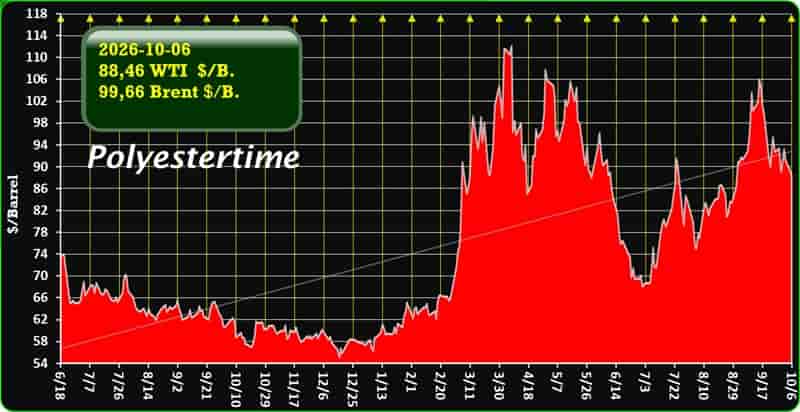
Brent crude, the international benchmark, is trading at approximately $85 per barrel, while US West Texas Intermediate, or WTI, is close to $80 per barrel. These levels reflect not only current supply conditions but also a growing geopolitical risk premium.
Key points
-
Brent crude is trading near $85 per barrel.
-
WTI crude is trading near $80 per barrel.
-
Renewed US-Iran military action has increased the risk of shipping disruption.
-
Traffic through the Strait of Hormuz has fallen sharply.
-
US restrictions on Iranian oil sales have returned.
-
Further price increases will depend largely on shipping access, infrastructure security and diplomacy.
Why oil prices are rising
The latest increase in oil prices followed renewed attacks by the United States and Iran and competing claims over control of the Strait of Hormuz.
On 13 July, Brent recorded a sharp daily rise, reaching more than $83 per barrel during trading. The benchmark subsequently moved toward $85. The increase followed announcements of additional US military strikes, a renewed blockade affecting Iranian shipping and proposed charges on cargo using the strait.
The market reaction shows that traders are no longer pricing the conflict as a temporary political dispute. They are evaluating the possibility of a prolonged disruption to one of the world’s most important energy corridors.
However, the price increase does not mean that the world has already lost an equivalent amount of physical oil supply. Part of the move represents a risk premium: buyers are willing to pay more because future deliveries have become less predictable.
The Strait of Hormuz is the central market risk
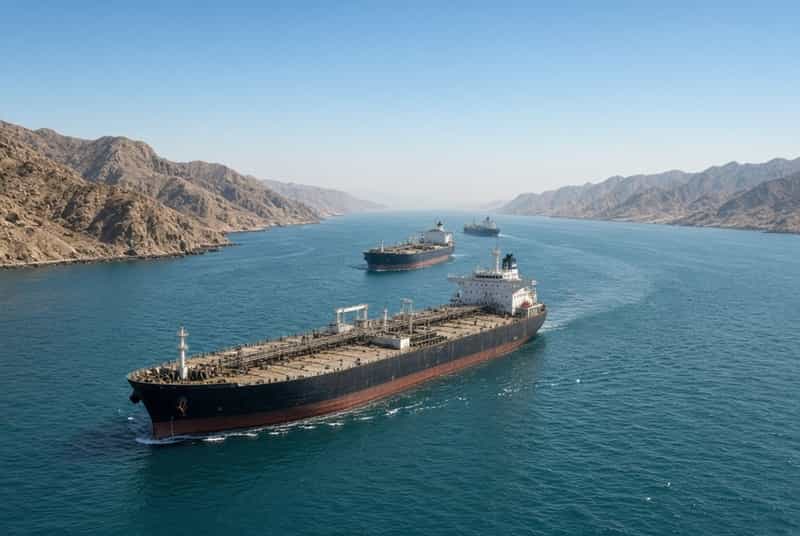
The Strait of Hormuz connects the Persian Gulf with the Gulf of Oman and the Arabian Sea. It is a critical export route for producers including Saudi Arabia, Iraq, Kuwait, the United Arab Emirates, Qatar and Iran.
US Energy Information Administration data have historically placed oil movements through the strait at around one-fifth of global petroleum consumption. This makes Hormuz one of the most important oil-transit chokepoints in the world.
The current danger is not limited to a formal closure. Oil flows can also decline when:
-
Tanker operators consider the route unsafe.
-
Insurers increase war-risk premiums.
-
Shipowners delay or cancel voyages.
-
Crews refuse to enter the area.
-
Ports, terminals or pipelines are attacked.
-
Navigation systems experience interference.
-
Governments impose new inspections, blockades or passage requirements.
Associated Press reporting on 13 July indicated that only 14 vessels had recently passed through the strait on one Sunday, compared with approximately 130 vessels per day before the war. The precise number can vary from day to day, but the reported decline illustrates the severity of the disruption.
Renewed military action has weakened hopes for a lasting ceasefire
The recent escalation follows an interim agreement that had temporarily raised hopes of reopening the strait and restoring more normal Iranian oil exports.
Those expectations began to deteriorate after further attacks on commercial vessels and renewed US strikes against Iranian military targets.
US Central Command said that its forces struck approximately 90 Iranian military targets on 8 July. According to CENTCOM, the operation targeted air defences, coastal surveillance systems, missile and drone storage sites, naval capabilities and logistics infrastructure.
CENTCOM subsequently announced further operations during the following days. These statements confirm that the confrontation has returned to an active military phase, although accounts of individual incidents and responsibility should still be assessed cautiously because the parties to the conflict are also primary sources.
The United Nations Security Council has called for implementation of the peace arrangements and warned that resumed confrontation could escalate further.
Sanctions are adding pressure to the physical market
Military risk is not the only factor supporting prices.
On 7 July, the US Treasury Department’s Office of Foreign Assets Control revoked an earlier authorisation that had temporarily permitted certain production, delivery and sales of Iranian crude oil and petroleum products.
The replacement licence established a wind-down process instead of continuing the broader authorisation.
This change matters because Iranian exports can influence the balance between global supply and demand. Even when some shipments continue through alternative commercial arrangements, tighter sanctions increase legal, financial, insurance and logistical risks for refiners, traders and shipping companies.
The combination of military disruption and tighter restrictions can therefore affect the market more strongly than either factor would in isolation.
Why Brent and WTI trade at different prices
Brent and WTI are both crude-oil benchmarks, but they represent different markets.
Brent is the principal international benchmark and is more directly exposed to seaborne supply risks. Events affecting the Persian Gulf, tanker routes and international freight costs can therefore have a particularly strong effect on Brent.
WTI is the primary US benchmark. Its price is influenced by global developments but also by US production, refinery demand, pipeline capacity and inventories.
With Brent close to $85 and WTI around $80, the spread between them reflects Brent’s greater exposure to international shipping risk. The difference may widen if disruption in the Persian Gulf becomes more severe while the North American market remains comparatively well supplied.
Could oil prices rise above $90?
A sustained move above $90 per barrel is possible, but it is not inevitable.
The most important bullish scenario would involve a prolonged reduction in tanker traffic combined with damage to oil-production or export infrastructure. An attack on major terminals, storage facilities, pipelines or refineries could have a more durable effect than military exchanges that do not interrupt physical production.
Prices could also rise if insurance coverage becomes unavailable or prohibitively expensive. Even without a legal closure of Hormuz, commercial shipping could remain severely constrained.
Other factors could limit the increase. These include:
-
A verifiable ceasefire.
-
Protected and predictable shipping corridors.
-
A reduction in attacks on commercial vessels.
-
Greater use of pipelines that bypass Hormuz.
-
Higher production from countries with spare capacity.
-
Releases from strategic petroleum reserves.
-
Weaker global economic growth and oil demand.
Saudi Arabia and the United Arab Emirates have some capacity to transport oil through pipelines that avoid the strait. These alternatives are strategically important, but they cannot fully replace all the crude and petroleum products normally shipped through Hormuz.
Three scenarios for oil prices
1. De-escalation
If the United States and Iran return to negotiations and commercial traffic recovers, part of the geopolitical premium could disappear.
Under this scenario, Brent could move back toward levels seen before the latest escalation. The size of the decline would depend on how quickly tanker traffic, insurance coverage and Iranian exports normalise.
2. Prolonged disruption without major infrastructure damage
If fighting continues but production facilities remain largely operational, Brent and WTI could stay elevated and volatile.
This scenario is broadly consistent with Brent trading in the $80-to-$90 range, although daily moves could be substantial as markets react to military and diplomatic announcements.
3. Severe regional escalation
A more serious disruption involving energy infrastructure, prolonged closure of shipping routes or expansion of the conflict to other producing states could push Brent above $90.
A major and lasting loss of supply could produce a considerably larger price spike. Such estimates are highly uncertain because the outcome would depend on the volume of lost production, the duration of the disruption and the international policy response.
What higher oil prices mean for consumers and businesses
More expensive crude oil eventually affects fuel prices, although changes at petrol stations are not immediate or uniform.
Retail prices also depend on refining costs, inventories, taxes, distribution expenses, exchange rates and local competition.
Airlines and shipping companies face higher fuel and insurance costs. Petrochemical producers may pay more for feedstocks, while manufacturers can face increased transport and packaging expenses.
For central banks, a sustained energy-price increase creates an additional inflation risk. Higher fuel and transport costs can spread through the economy, complicating decisions about interest rates.
Oil-importing economies are generally more exposed because rising crude prices increase their import bills. Exporting countries may benefit from higher revenues, provided they can continue producing and delivering oil safely.
What investors should monitor
Headline announcements can move the market quickly, but several measurable indicators provide a clearer view of the underlying situation:
-
The number of tankers passing through the Strait of Hormuz.
-
War-risk insurance premiums for Gulf shipping.
-
Export volumes from Saudi Arabia, Iraq, the UAE, Kuwait and Iran.
-
Damage to production, storage, pipeline or refining infrastructure.
-
US and international sanctions decisions.
-
Changes in commercial crude inventories.
-
OPEC+ production policy.
-
Diplomatic negotiations and independently verified ceasefire terms.
Investors should distinguish between confirmed physical supply losses and price movements caused mainly by fear of a future disruption. Iran war oil prices
Oil prices remain highly sensitive to developments in Hormuz
Brent near $85 and WTI near $80 indicate that the oil market is assigning a substantial premium to the US-Iran conflict.
The immediate direction of prices will depend less on political rhetoric alone and more on whether tankers can pass safely through the Strait of Hormuz, whether energy infrastructure remains operational and whether the two sides establish a credible diplomatic framework.
For now, the risk of disruption remains elevated. That is likely to keep oil prices volatile even on days when there is no confirmed reduction in global production.
Frequently asked questions
Why are oil prices rising during the US-Iran war?
Prices are rising because the conflict threatens shipping through the Strait of Hormuz, increases tanker and insurance costs, restricts Iranian exports and creates uncertainty about future supplies.
Why is the Strait of Hormuz important for oil prices?
The strait is one of the world’s most important energy-transit routes. A large share of internationally traded crude oil and petroleum products passes through it.
Could Brent crude rise above $100?
It could, particularly if there is a prolonged loss of production or a major interruption to tanker traffic. However, de-escalation, alternative export routes, strategic reserves and weaker demand could limit prices.
Why is Brent more expensive than WTI?
Brent is more directly exposed to international seaborne trade and Middle Eastern shipping risks. WTI is also influenced by US inventories, production and pipeline conditions.
Will petrol prices increase immediately?
Not necessarily. Crude-price changes normally take time to reach consumers, and retail prices also depend on refining margins, inventories, taxes, exchange rates and distribution costs.
Editorial methodology and sources
This analysis uses information available on 14 July 2026. Price levels are approximate and can change continuously.
Principal sources consulted:
-
US Energy Information Administration, analysis of global oil-transit chokepoints and the Strait of Hormuz.
-
International Energy Agency, June and July 2026 oil-market material and Middle East energy-market updates.
-
US Treasury Department Office of Foreign Assets Control, Iran-related General Licence X1, issued 7 July 2026.
-
US Central Command, official releases concerning strikes conducted in July 2026.
-
United Nations Security Council meeting coverage concerning the renewed US-Iran confrontation.
-
Associated Press reporting published between 8 and 14 July 2026.
Official military statements describe the position of the issuing authority and should not, by themselves, be treated as independent confirmation of every battlefield claim.
US-Iran Conflict Keeps Oil Prices on Edge
More…