Oil Prices and the US-Iran War: Why Brent and WTI Are Still Under Pressure
Oil prices Iran war
Oil Prices and the US-Iran War: Why Brent and WTI Are Still Under Pressure
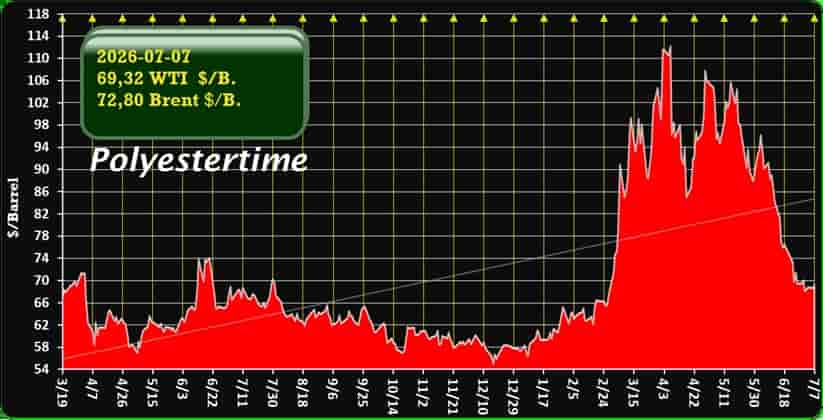
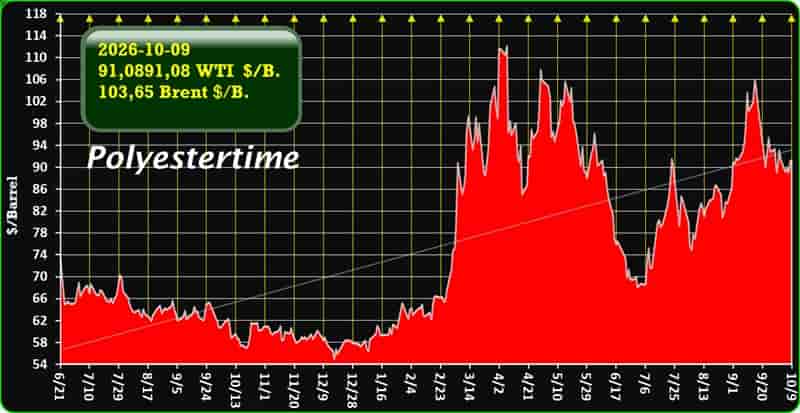
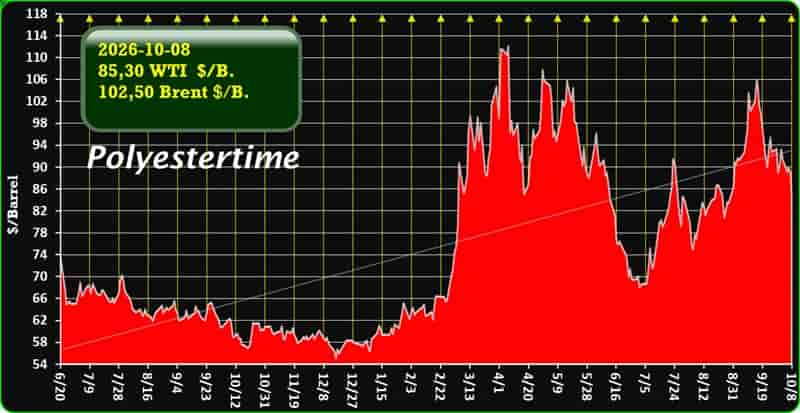
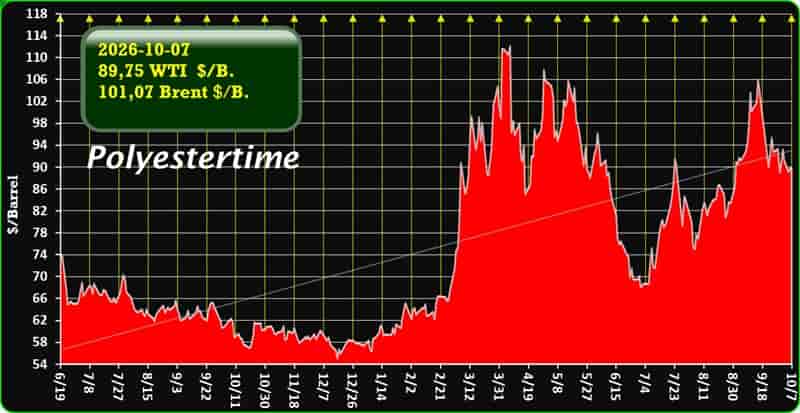
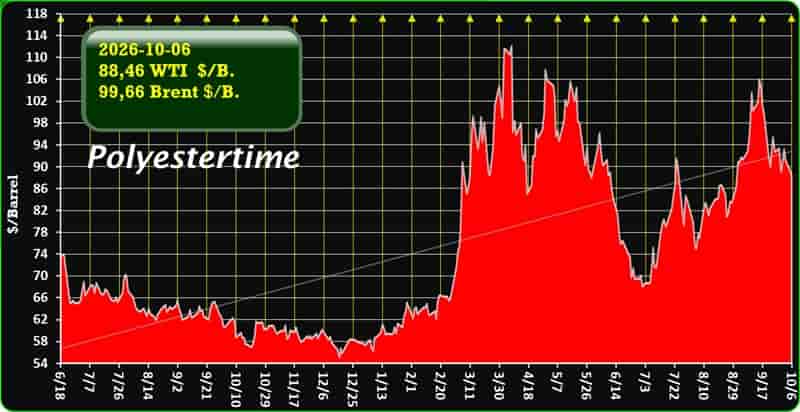
Oil prices are trading in a tense but surprisingly contained range. Brent crude is currently around $73 per barrel, while West Texas Intermediate, or WTI, is around $69.5 per barrel. Those levels show a market that is still pricing in geopolitical risk, but not a full-scale supply shock.
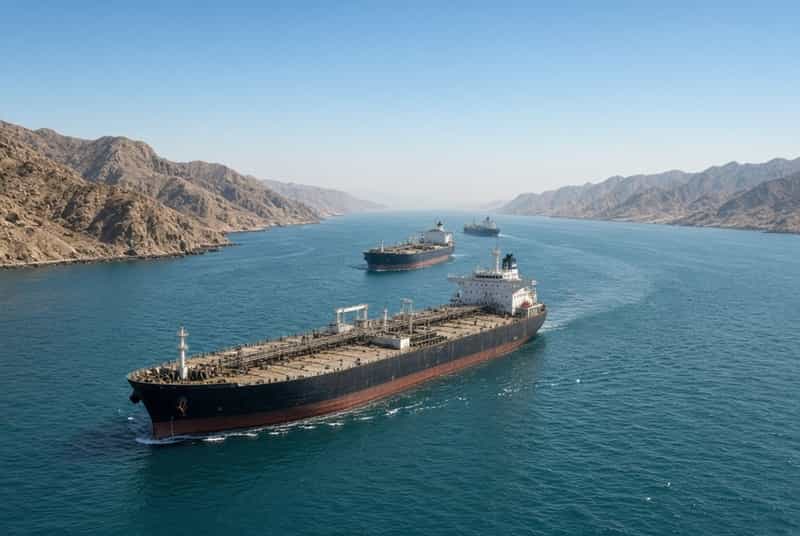
The key issue is the US-Iran war and the security situation around the Strait of Hormuz. This narrow waterway remains one of the most important energy routes in the world. When shipping through Hormuz is threatened, traders immediately reassess the risk of disruption to crude oil, refined products and liquefied natural gas flows.
Recent reports have kept that risk alive. The Associated Press reported that a tanker near Oman caught fire after being struck by a projectile in the Strait of Hormuz, while Iran has warned tankers to use approved routes or face a “forceful response.” These developments matter because even limited attacks can raise insurance costs, slow vessel traffic and make energy buyers more cautious.
At the same time, prices are not exploding higher. That is important. Brent near $73 and WTI near $69.5 suggest that traders see danger, but also see offsetting forces. Supply outside the immediate conflict zone is improving, OPEC+ is adding production, and the market appears to believe that a wider disruption is still avoidable.
Why the Strait of Hormuz Still Matters
The Strait of Hormuz is not just another maritime route. In normal conditions, it is one of the world’s most critical corridors for oil and gas shipments. Any threat to vessels moving through the area can quickly affect global energy pricing.
The current situation is especially sensitive because the war has already disrupted shipping patterns. AP has reported that traffic through the strait remains below pre-war levels, even though some flows have recovered after earlier disruptions. That means the market is no longer dealing only with theoretical risk. It is dealing with a real, measurable reduction in confidence around one of the world’s most important energy chokepoints.
For oil buyers, the biggest fear is not only a single tanker incident. The bigger risk is a chain reaction: more attacks, higher freight costs, rising insurance premiums, delayed cargoes and possible military escalation. That kind of environment can add a geopolitical risk premium to oil prices even when physical supply has not yet fallen dramatically.
Why Brent Is Near $73 Instead of Much Higher
Given the seriousness of the US-Iran war, some investors might expect Brent to be far above $73. The fact that it is not tells us something important about the current market.
First, OPEC+ supply policy is limiting the upside. MarketWatch reported that oil prices fell after OPEC+ agreed to raise output for a fifth consecutive month, with an additional August increase. More expected supply makes it harder for geopolitical fears alone to push prices sharply higher.
Second, traders are watching negotiations and shipping conditions closely. Even when talks are fragile, any sign that Hormuz traffic can partially recover reduces the probability of an extreme supply shock. The market is still nervous, but it is not pricing a worst-case scenario.
Third, global demand is not strong enough to absorb every bullish headline. The International Energy Agency has pointed to weaker oil demand conditions in 2026, including a sharp year-on-year drop in the second quarter and a decline for the full year. Softer demand can offset part of the geopolitical premium.
Why WTI Is Below Brent
WTI is trading below Brent, around $69.5 per barrel. This is normal in many market environments because Brent is the broader international benchmark, while WTI reflects US crude pricing dynamics.
The Brent-WTI spread also reflects geography and risk. Brent is more directly exposed to global seaborne supply concerns, including Middle East shipping routes. WTI, meanwhile, is tied more closely to North American supply, storage and refinery demand.
Current live market data shows Brent around the low-$70s and WTI just below $70, with the spread near $3.5 per barrel. That gap is consistent with a market where international risk is elevated but US domestic supply remains relatively resilient. oil prices Iran war
The Role of OPEC+ Supply
OPEC+ is a major reason oil prices have not moved much higher. By increasing output targets, the producer group is sending a signal that more supply is coming into the market.
This does not remove the geopolitical risk. If the Strait of Hormuz were severely blocked, additional OPEC+ barrels might not fully calm the market, especially if shipping lanes become unsafe. But in the current environment, higher planned supply helps cap prices.
For consumers, that matters. More supply can reduce pressure on gasoline, diesel and jet fuel prices. For producers, however, the picture is mixed. Higher output may stabilize markets, but it can also limit revenue gains if prices remain contained.
What the EIA Says About the Bigger Picture
The US Energy Information Administration has warned that crude oil volatility remains elevated because of disruptions around the Strait of Hormuz and the broader US-Iran conflict. Its latest Short-Term Energy Outlook also notes that higher crude prices have pushed petroleum product price forecasts higher, especially for diesel and jet fuel.
The EIA’s analysis is important because it separates short-term market reactions from structural energy risks. Even if Brent is currently near $73, the agency’s outlook suggests that supply disruptions can still affect wholesale fuel costs, trade flows and inflation-sensitive sectors.
In simple terms, the headline oil price is only one part of the story. Refining margins, shipping costs, insurance premiums and regional fuel availability can all move differently from Brent or WTI.
What Could Push Oil Prices Higher?
Oil prices could rise quickly if the security situation worsens. The most obvious trigger would be a broader interruption to shipping through the Strait of Hormuz. More tanker attacks, direct military escalation, or a breakdown in negotiations could all increase the geopolitical premium.
Another bullish factor would be stronger-than-expected demand. If global economic activity improves while supply remains uncertain, the market could tighten faster than expected.
Finally, any sign that OPEC+ cannot deliver planned production increases would also support prices. Output targets and actual production are not always the same thing.
What Could Push Oil Prices Lower?
Oil prices could fall if shipping through the Strait of Hormuz stabilizes and the US-Iran conflict moves toward a durable ceasefire or settlement. In that scenario, traders would remove part of the risk premium currently embedded in prices.
More OPEC+ supply could also weigh on crude. If additional barrels reach the market while demand remains soft, Brent and WTI could struggle to hold current levels.
A weaker global economy would be another bearish factor. Oil is highly sensitive to transport, manufacturing and consumer demand. If growth slows, geopolitical tension may not be enough to keep prices elevated.
Outlook: A Market Balanced Between Fear and Supply
The current price picture is best described as cautious balance. Brent around $73 and WTI around $69.5 are not low enough to ignore the US-Iran war, but they are also not high enough to signal panic.
The market is weighing three forces at once: geopolitical risk in the Strait of Hormuz, additional OPEC+ supply, and uncertain global demand. For now, those forces are offsetting each other.
That balance could change quickly. Oil markets often move before the full physical impact of a crisis is visible. For traders, policymakers and consumers, the most important indicators to watch are tanker safety, Hormuz traffic levels, OPEC+ production, US inventory data and any confirmed progress in US-Iran negotiations.
Until those signals become clearer, oil prices are likely to remain volatile. The US-Iran war has not created a full oil shock at current prices, but it has made the market more fragile. In this environment, one headline from the Strait of Hormuz can still move Brent and WTI sharply.
Oil Prices Iran: Why Brent and WTI Are Holding Below War-Premium Levels
More…