“Choke Point Crisis: Strait Disruption Threatens US Iran War Oil Prices”
US Iran War Oil Prices
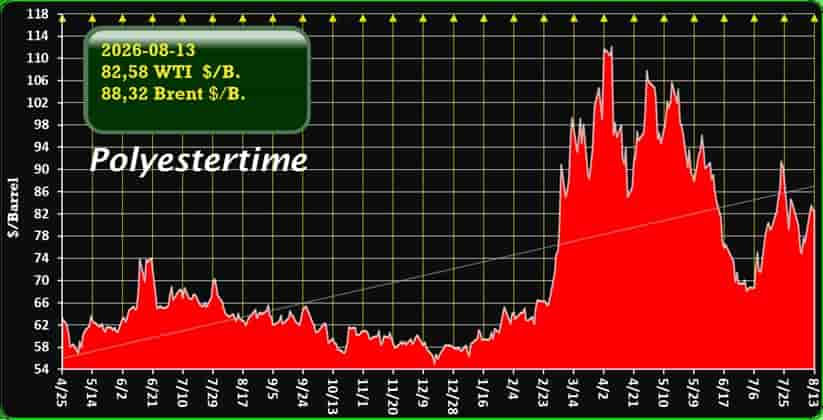
US-Iran War and Oil Prices: Brent at $89 and WTI at $83 in Market Tug-of-War
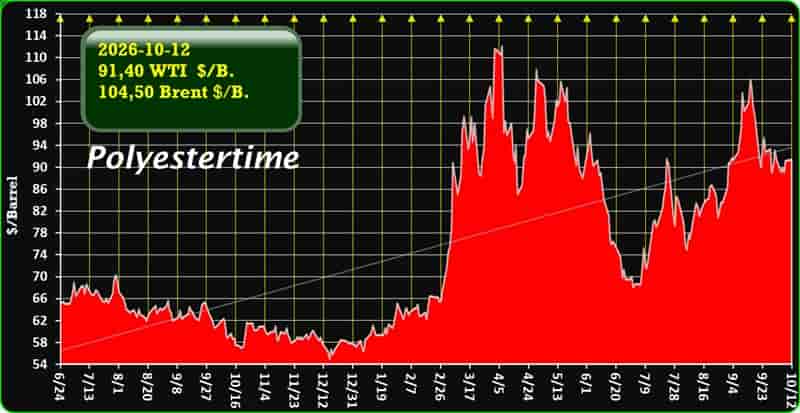
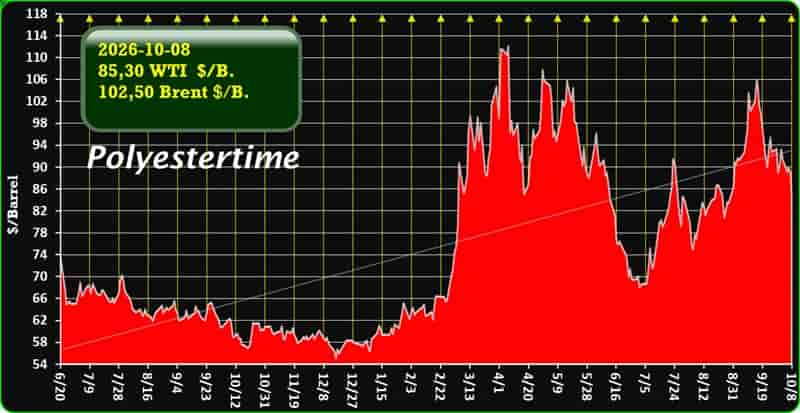
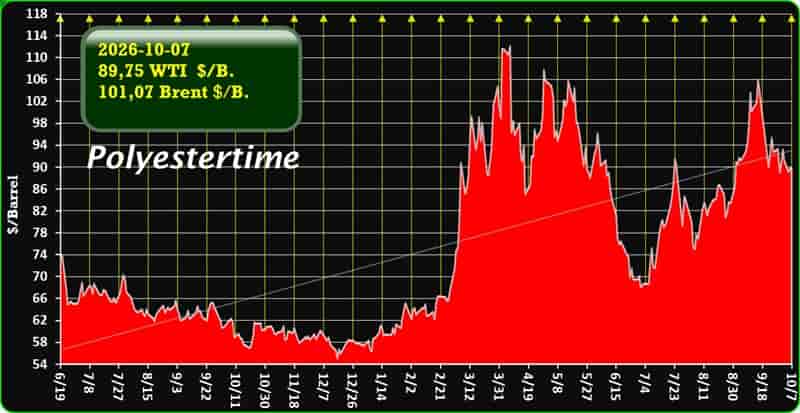
Global energy markets remain caught between severe geopolitical supply threats and shifting macroeconomic demand signals. Benchmark Brent crude trades around $89 a barrel, while US West Texas Intermediate (WTI) rests near $83 a barrel.
The elevated price floor reflects lingering risks in the Middle East. However, recent upward momentum has been capped by revised global demand forecasts and a surprise surge in US crude inventories.
Geopolitical Deadlock and Strait of Hormuz Risks
The primary driver supporting current oil prices is the diplomatic standstill between Washington and Tehran. Recent mediation attempts to establish a stable cease-fire timeline have reached an impasse, keeping geopolitical risk premiums embedded in energy futures.
+-------------------------------------------------------------------+
|                  OIL MARKET TUG-OF-WAR DETAILED                   |
+------------------------------------+------------------------------+
| Bullish Supply Factors             | Bearish Demand Factors       |
+------------------------------------+------------------------------+
| • US-Iran diplomatic deadlock      | • IEA lowers 2026 demand     |
| • Strait of Hormuz maritime risks  | • OPEC cuts growth forecasts |
| • Elevated shipping insurance rates| • 17.4M barrel US crude build|
+------------------------------------+------------------------------+
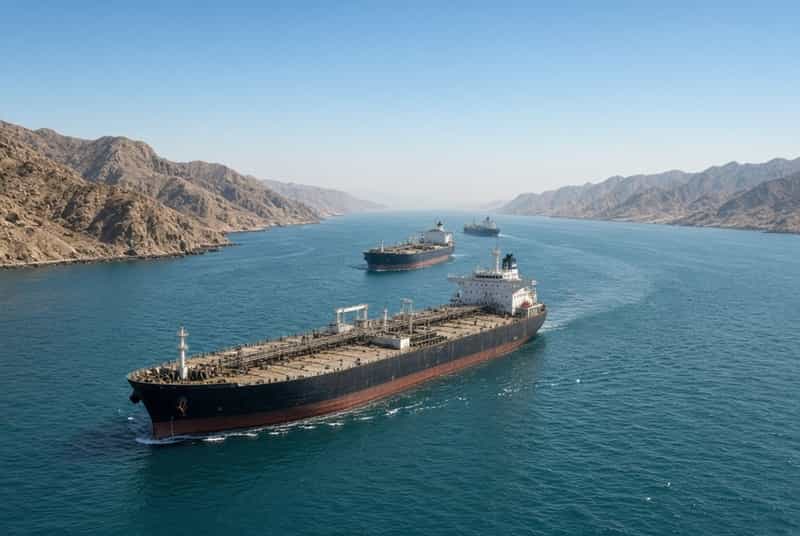
Shipping security through the Strait of Hormuz and the Bab el-Mandeb Strait remains volatile. Recent attacks on commercial vessels in these choke points have forced many carriers to turn off tracking signals or reroute ships entirely. These additional transit distances and skyrocketing insurance premiums continue to restrict immediate physical availability.
Reduced Demand Forecasts Cap Price Upside
Despite ongoing security concerns, crude prices faced downward pressure following major demand updates from energy agencies:
-
IEA Projections: The International Energy Agency revised its outlook downward, now anticipating a 1.6 million barrels per day (bpd) contraction in global consumption for the year due to high energy prices and economic strain.
-
OPEC Revisions: OPEC lowered its 2026 global oil demand growth forecast to 580,000 bpd in its latest monthly oil market report.
-
US Inventory Surge: The US Energy Information Administration (EIA) reported a unexpected commercial crude build of 17.4 million barrels, driven primarily by falling export volumes.
Price Outlook and Key Market Indicators
Market analysts note that the mid-term trajectory for crude will depend on the duration of supply choke points versus the depth of global demand destruction.
While prolonged shipping blockades could trigger sharp upward spikes toward triple digits, growing non-OPEC production and demand adjustments are working to stabilize prices near current levels. US Iran War Oil Prices
Key Takeaways for Energy Investors
-
Watch Supply Routes: Tracking vessel traffic through maritime choke points remains the single most critical short-term price signal.
-
Monitor Refinery Runs: Reduced refinery throughput in key Asian markets highlights how high prices are actively curtailing real consumer demand.
-
Track Policy Developments: Any shifts in diplomatic dialogue between the US and Iran will rapidly dictate whether the market moves toward supply relief or heightened scarcity.
Iran War Oil Prices: Why Brent Is Near $89 and WTI Near $84
More…