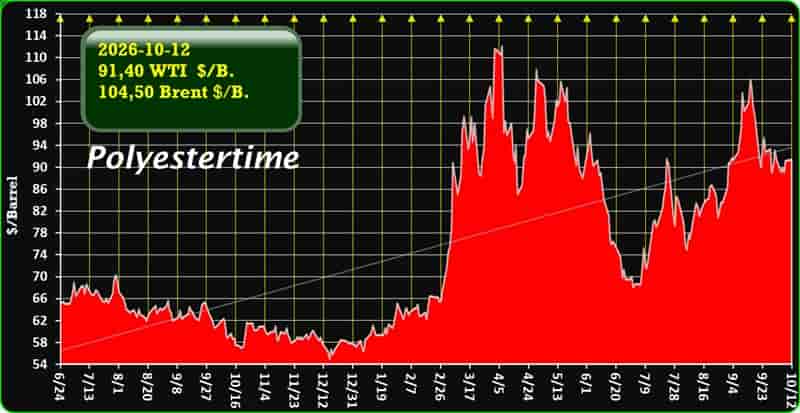
US-Iran Tensions Keep Oil Volatile: Brent at $104 and WTI at $91
US Iran Oil Crisis
US-Iran Tensions Keep Oil Volatile: Brent at $104 and WTI at $91
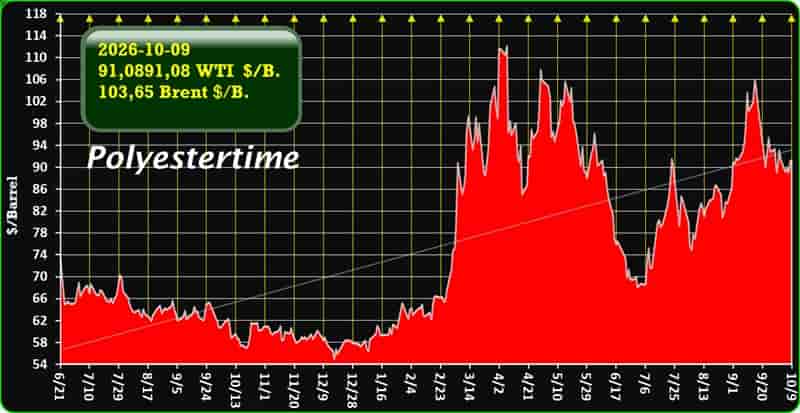
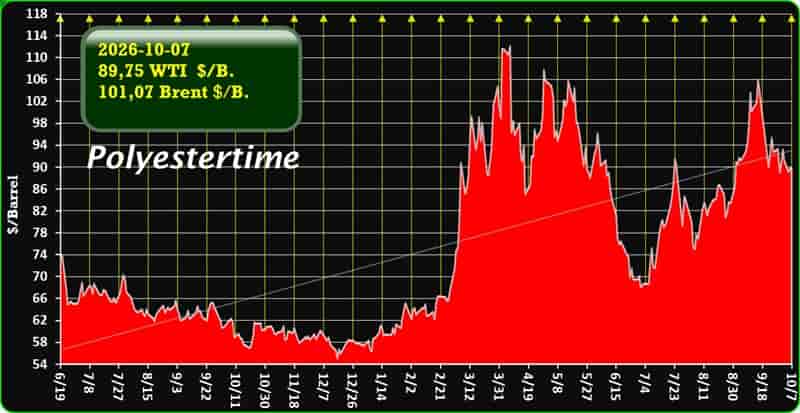
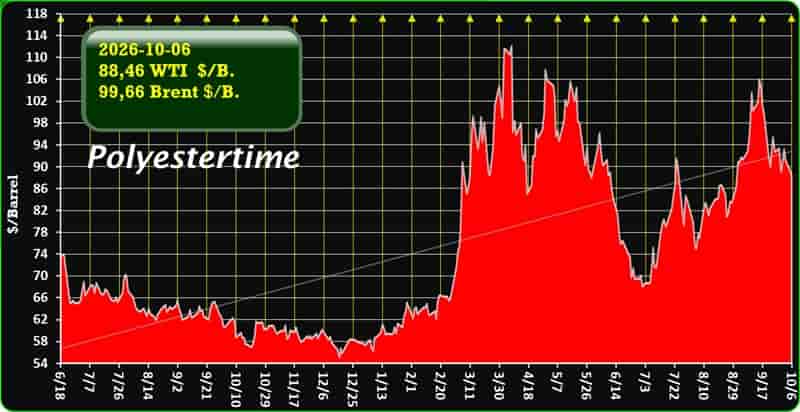
Global energy markets remain on high alert as geopolitical friction between the United States and Iran continues to drive crude oil benchmark prices into elevated territory. Brent crude is currently trading around $104 per barrel, while West Texas Intermediate (WTI) hovers near $91 per barrel.
This notable price spread reflects distinct regional supply realities, escalating maritime insurance costs, and persistent vulnerabilities along primary fuel transit corridors. As physical threats persist around critical global chokepoints, the global economy faces broad recalibration across supply chains, monetary policy, and consumer spending power. US Iran Oil Crisis
What Is Driving Brent to $104 and WTI to $91?
The price gap between global benchmark Brent crude ($104/B) and domestic benchmark WTI ($91/B) stems directly from geographic risk exposure and market structure. North American markets continue to benefit from robust domestic extraction and localized buffer stock, which helps insulate WTI from immediate physical shortfalls. Conversely, Brent crude reflects international physical supply conditions, making it exceptionally vulnerable to supply disruptions across Europe, Asia, and the Middle East.
Several interconnected market forces continue to drive this pricing dynamic:
-
Strait of Hormuz Security Risks: Repeated hostile drone activity, asymmetric maritime clashes, and commercial vessel strikes near the Strait of Hormuz have pushed tanker insurance premiums and ocean freight rates to multi-year highs.
-
Regional Infrastructure Vulnerabilities: Recent security incidents targeting regional energy logistics—including drone and missile strikes in surrounding transit zones—keep commodity traders on heightened risk mitigation protocols.
-
Policy Volatility and Rhetoric: Market expectations fluctuate rapidly based on diplomatic and presidential signals. While official statements ruling out immediate military strikes before legislative elections temporarily ease acute panic buying, ongoing economic blockades and port sanctions keep structural supply tight. US Iran Oil Crisis
Supply Chain Realities in the Strait of Hormuz
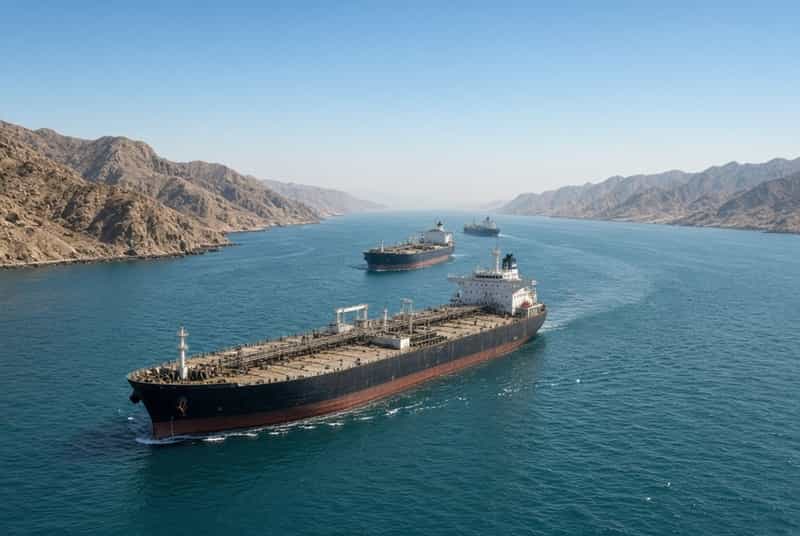
The Strait of Hormuz functions as the narrow maritime artery for roughly one-fifth of global petroleum supplies. When naval standoff or regional conflict threatens traffic through this passageway, the immediate result is a structural geopolitical risk premium added directly to international spot prices.
Physical crude delivery encounters compounding logistical hurdles during heightened conflict:
-
Shipping operators routinely delay transit windows or alter navigation pathways around elevated danger zones.
-
Tanker crews execute offshore ship-to-ship transfers in safer waters, adding significant operational turnaround time.
-
Marine insurers mandate exorbitant war-risk surcharges, inflating the base cost of every shipped barrel.
These compounding factors tie up global commercial fleet capacity, lengthen shipping durations, and effectively restrict the physical volume of oil reaching international refineries. US Iran Oil Crisis
Economic Ripples Across Global Markets
Sustained oil prices above $100 per barrel exert substantial macroeconomic drag on global output. High energy costs directly amplify headline consumer price inflation, complicating interest rate adjustments for central banks seeking to balance growth with price stability.
Key sector impacts include:
-
Logistics and Transportation: Commercial freight operations, air cargo carriers, and maritime fleets face severe margin pressure due to soaring marine gasoil and jet fuel costs.
-
Manufacturing and Industrial Production: Energy-intensive sectors, including chemical processing and industrial manufacturing, face higher input expenditures that trickle down to finished goods.
-
Consumer Purchasing Power: Elevated pump prices for retail petrol and diesel act as a direct tax on household disposable income, curbing discretionary retail spending.
| Energy Benchmark | Current Trading Level | Primary Market Drivers & Risk Factors |
| Brent Crude | ~$104 / barrel | Direct exposure to Middle East transit routes, international shipping surcharges, and global deficit risks. |
| WTI Crude | ~$91 / barrel | Domestically anchored supply, localized North American refining capacity, and regional inventory buffers. |
Diplomatic Signals and Market Projections
Energy analysts stress that long-term price normalization requires tangible diplomatic stabilization and reliable security guarantees across Middle Eastern shipping channels. While temporary diplomatic communications can spark sharp, short-term relief rallies in crude futures, underlying structural deficits keep floor prices well above historical averages.
Until maritime safety is sustainably secured through critical global waterways, crude markets will remain hyper-sensitive to geopolitical headlines. Investors, commercial enterprise leads, and economic policymakers must continue to operate within an market environment defined by elevated volatility and persistent energy supply threats. US Iran Oil Crisis
This video provides important contextual analysis on how rising Middle East conflict and naval vessel incidents in the Strait of Hormuz directly push crude oil prices above $100 per barrel.
Crude Hits $100 as US-Iran War Escalates With Tankers Targeted
US-Iran War Drives Brent to $102: Global Oil Price Impact
More…