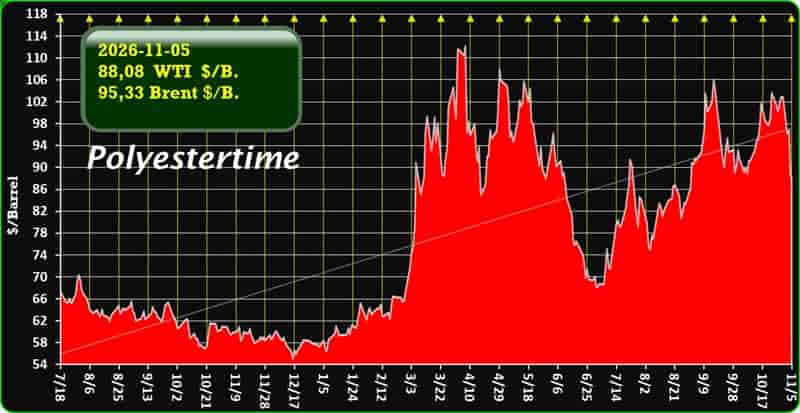
US Iran War and Oil Prices: Why Brent Hits $95 and WTI Trades at $88
Crude oil benchmarks pulled back sharply, with Brent near $95/B and WTI around $88/B, as diplomatic signals and political shifts alter the US-Iran war outlook.

Crude oil benchmarks pulled back sharply, with Brent near $95/B and WTI around $88/B, as diplomatic signals and political shifts alter the US-Iran war outlook.
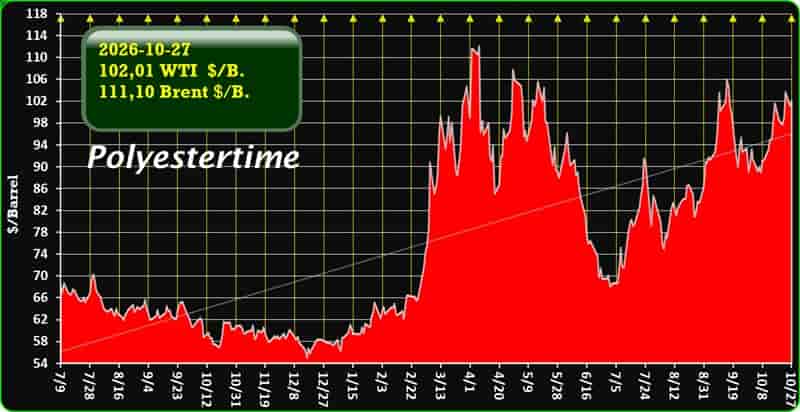
With Brent crude trading at $112/bbl and WTI at $103/bbl, escalating US-Iran conflict threatens global energy security and heightens inflation fears. Read our complete analysis on the Strait of Hormuz crisis.
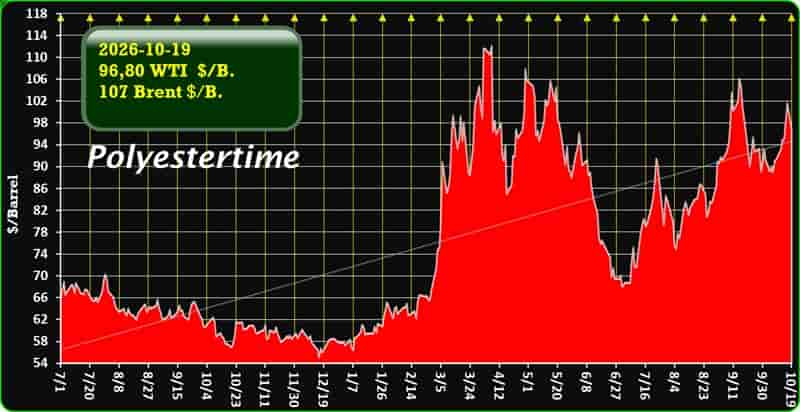
Escalating US-Iran tensions push Brent crude to $107/bbl and WTI to $97/bbl, raising
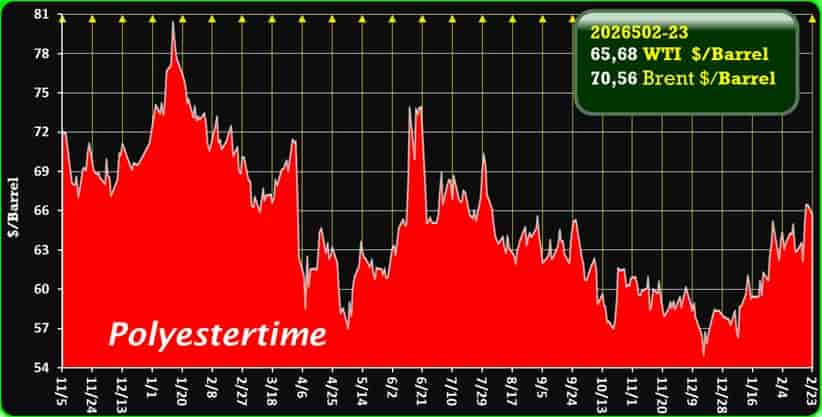
On February 23, 2026, oil price benchmarks Brent and WTI reflect ongoing geopolitical risks, global supply-demand data, and market sentiment. Explore what’s driving prices today and the outlook for energy markets and the global economy.
Crude oil price trends as of February 12, 2026 show Brent near $67.40/b and WTI around $62.70/b, reflecting a market grappling with oversupply, uneven demand, geopolitical news, and cautious investor sentiment.
As of February 10, oil price benchmarks Brent and WTI trade near $68.89 and $64.18 per barrel amid mixed supply/demand signals, renewed US-Iran tensions, and OPEC+ policy. This article unpacks key drivers, investor sentiment, and what comes next for markets and the global economy.
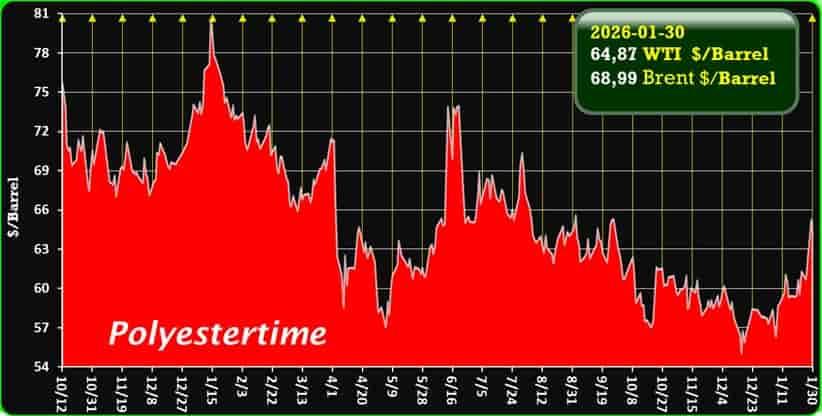
As of January 30, 2026, global oil price benchmarks Brent (~$68.65/b) and WTI (~$64.50/b) hover near multi-month highs amid geopolitical tensions, supply-demand imbalances, and cautious investor sentiment. This article explains the latest movements, underlying drivers, and where prices may head next.
Today’s oil price snapshot shows Brent and WTI reacting to a mix of supply overshoot, geopolitical tensions, and investor caution. Our update breaks down current trends, dominant drivers, and short-term forecasts for global energy markets.