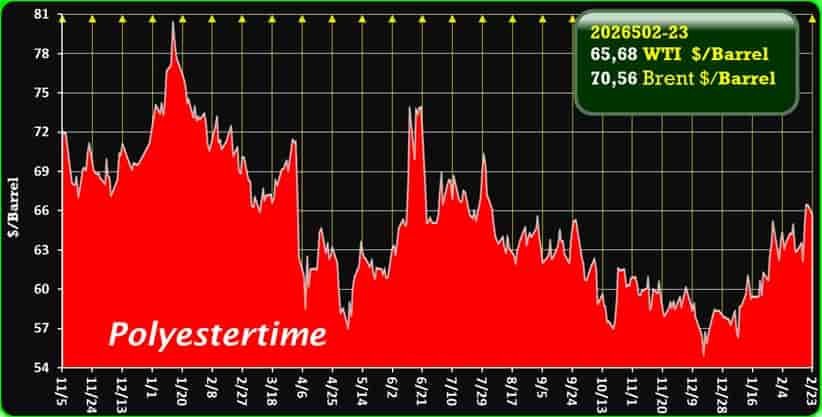
Oil Price Pressure Persists: Brent Near $70.56 and WTI Around $65.68 Amid US-Iran Uncertainty, OPEC+ Discipline, Supply-Demand Imbalance and Shifting Global Sentiment 23-02-2026
📉 Today’s Oil Price Snapshot: Brent and WTI (Feb 23, 2026)
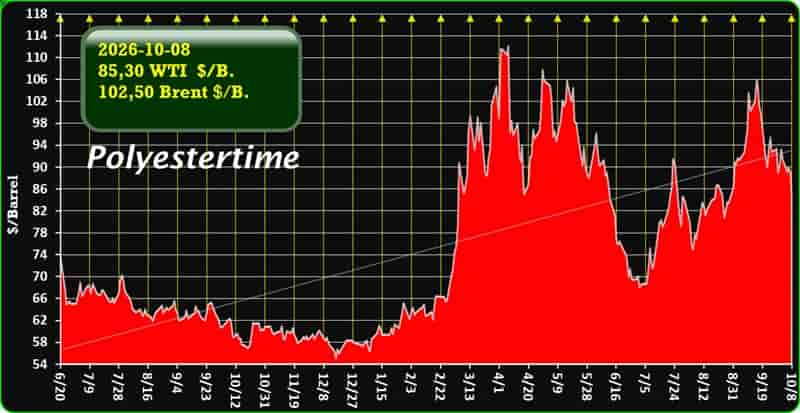
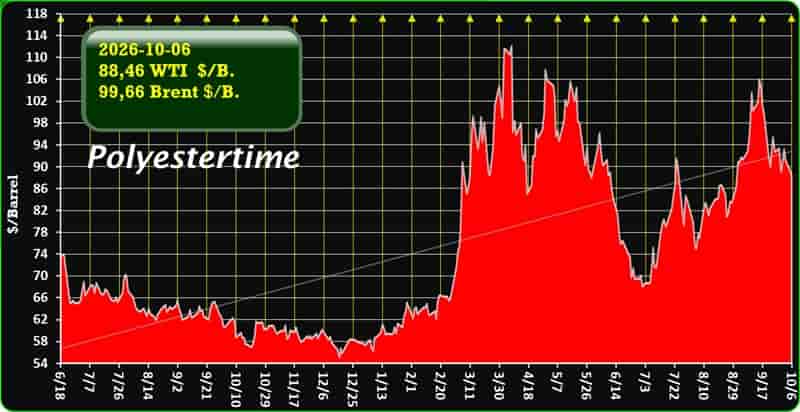
As of February 23, 2026, oil markets remain in a state of cautious balance. The Brent crude benchmark hovers around $70.56 per barrel and the U.S. WTI (West Texas Intermediate) sits near $65.68 per barrel, both reflecting mixed signals from geopolitical developments, supply-demand fundamentals, and broad risk sentiment. These levels are consistent with recent market data that show Brent and WTI trading near current multi-month ranges.
| Benchmark | Approx. Price (Feb 23, 2026) | Key Influence |
|---|---|---|
| Brent Crude | ~$70.56/B | Geopolitical risk, global supply |
| WTI Crude | ~$65.68/B | U.S. inventory data, diplomatic progress |
🛢️ Major Factors Shaping Today’s Oil Price Trend
1. 🌍 Geopolitics: US-Iran Talks and Risk Premia
A central driver of oil price volatility in February is the ongoing geopolitical tension between the United States and Iran. Markets have been swinging on each development surrounding diplomatic negotiations:
-
Recent negotiations have at times eased concerns, resulting in oil price pullbacks when progress emerges.
-
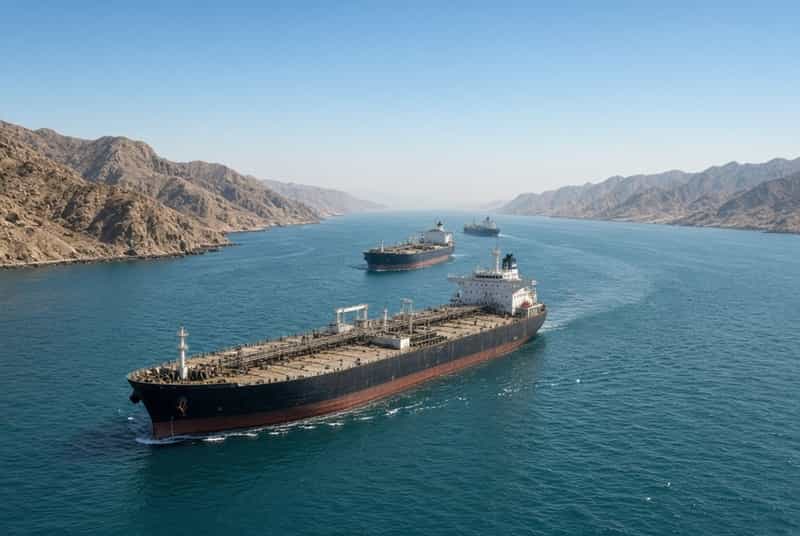
Persistent uncertainty about potential military escalation or strategic chokepoint disruptions — such as at the Strait of Hormuz — maintains a “risk premium” in prices, with occasional sharp rallies when conflict fears escalate.
This dynamic underscores how sensitive global oil benchmarks remain to geopolitical headlines. Even temporary progress in diplomacy can pressure prices lower, while rumors of conflict can swiftly reverse that trend.
2. 🛠️ Global Supply and Demand Fundamentals
Fundamentals continue to exert steady influence on oil pricing:
-
Worldwide output from major producers — including OPEC+ members and non-OPEC exporters like the U.S. — has kept supply ample relative to near-term demand growth. As a result, prices have struggled to break significantly above recent ranges.
-
On the demand side, economic growth indicators and energy consumption patterns are closely watched by traders to anticipate inventory adjustments and refine import/export expectations.
Overall, the hangover from higher inventories and slower demand acceleration — especially in advanced economies — keeps oil price pressure persistent and contributes to range-bound trading.
3. 📊 OPEC+ Policy and Market Discipline
The Organization of the Petroleum Exporting Countries and its allies (OPEC+) remain pivotal for price direction:
-
Recent production strategies have maintained a degree of discipline, helping prevent deeper price declines.
-
However, absence of aggressive cuts amid abundant supply prospects has limited oil price upward momentum.
This delicate balance between measured restraint and production adequacy continues to anchor market expectations.
4. 💹 Investor Sentiment and Market Positioning
Risk appetite among traders has been volatile, swinging in response to news flows:
-
Hedge funds and speculative traders adjust positioning rapidly as diplomatic signals fluctuate, leaving crude futures sensitive to headline risk.
-
Broader investor sentiment — shaped by macroeconomic data, currency movements (especially the U.S. dollar), and equities’ performance — also affects oil price dynamics.
In short, oil price in the near term remains as much a sentiment-driven instrument as a fundamentals-oriented commodity.
📈 Short-Term Outlook: What’s Next for Oil Price?
Looking ahead, oil price direction in the coming weeks will likely hinge on a few key developments:
Geopolitical Trajectory
-
A breakthrough in U.S.–Iran talks or reduced regional tensions could ease risk premiums, nudging Brent and WTI lower or keeping them range-bound.
-
Conversely, renewed escalation or strategic transport route disruptions would tilt markets toward higher prices.
Inventory & Demand Signals
-
Weekly U.S. inventory data and upcoming economic indicators (e.g., PMI, manufacturing output) will shape expectations about underlying demand strength.
OPEC+ Commitment
-
Clear guidance on future production policy from OPEC+ could provide fresh pricing catalysts — either supporting higher oil price levels or reinforcing the current range.
In summary: Oil price benchmarks are likely to remain volatile and range-bound in the short term, trading off geopolitical headlines and fundamental data.
🧭 What This Means for the Global Economy
Moderate but uncertain oil price levels have broad implications:
-
For consumers, stable crude prices help keep fuel and transportation costs from spiking, which can support inflation control.
-
For energy producers and exporters, perceived risk and price range predictability influence capital expenditure and investment decisions.
-
Markets overall may remain sensitive to geopolitical risk, underscoring the importance of diversified energy strategies and hedging mechanisms.
Understanding oil price trends is therefore not just about tracking numbers — it’s about interpreting signals from geopolitics, fundamentals, and sentiment that together drive global economic outcomes.
Oil Price Surges Amid Geopolitical Risks but Faces Persistent Oversupply Headwinds — Brent Around $71.58 and WTI $66.33 as Markets Brace Volatility and Uncertainty
More…