Iran War Oil Prices: Why Brent Is Near $89 and WTI Near $84
Iran War Oil Prices: Why Brent Is Near $89 and WTI Near $84
Key takeaways
-
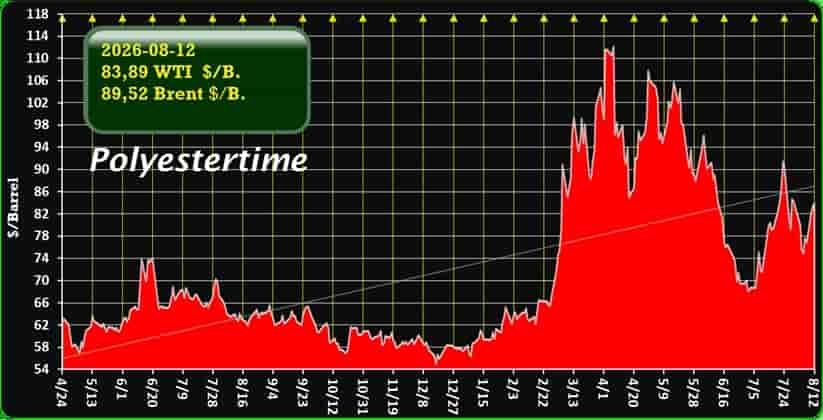
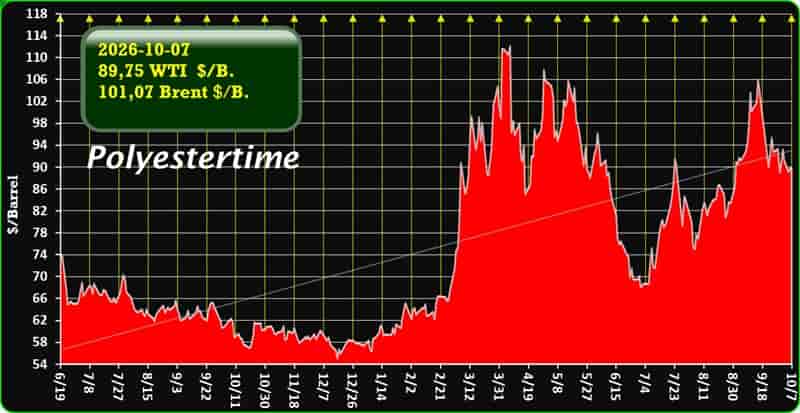
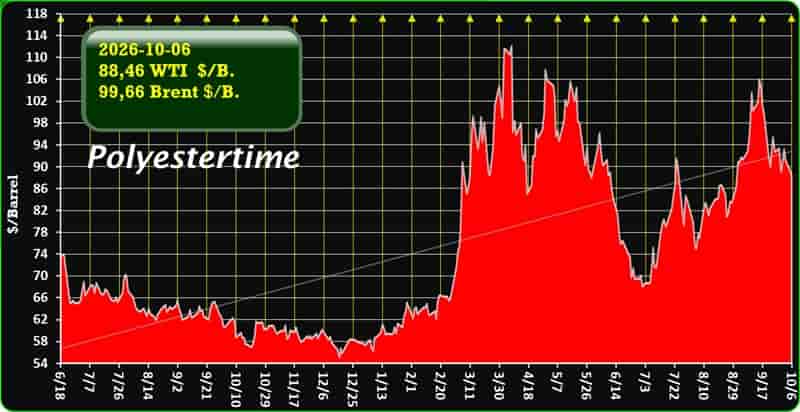
Brent crude is trading at roughly $89 a barrel and West Texas Intermediate (WTI) at about $84, based on the August 12 market snapshot.
-
The main price risk is not simply how much oil Iran produces. It is whether conflict interrupts shipping through the Strait of Hormuz and other regional routes.
-
Prices are well below the peaks reached earlier in the conflict because emergency stocks, alternative export routes, weaker demand and higher non-Gulf supply have softened the shock.
-
Diplomacy could push prices lower, but renewed attacks on vessels or tighter restrictions on shipping could quickly rebuild the geopolitical premium.
Oil prices rose again on August 12 as traders reacted to another setback in efforts to reduce tensions between the United States and Iran. Brent crude, the main international benchmark, was around $89 a barrel, while WTI, the U.S. benchmark, was close to $84.
Those levels show that the market remains under pressure, but they do not signal a return to the extreme prices seen earlier in the conflict. Oil traders are balancing two opposing forces: a continuing threat to Middle Eastern supply and evidence that producers, refiners and governments have found ways to limit some of the disruption.
What is moving oil prices today?
The immediate driver is uncertainty. The latest reporting describes stalled U.S.-Iran diplomacy alongside renewed threats to shipping in and around the Strait of Hormuz and the Red Sea. On August 12, the Associated Press reported Brent at $89.67 a barrel and U.S. crude at $83.98, both up about 0.9% in the cited trading session.
Markets usually add a geopolitical risk premium when future supply becomes harder to predict. That premium can rise even before physical shortages worsen. Tanker owners may avoid dangerous routes, insurers may increase war-risk charges, and buyers may compete for cargoes from safer suppliers.
The reverse is also true. A credible agreement that restores regular and safe commercial passage could remove part of that premium quickly. This is why oil has been highly sensitive to diplomatic headlines as well as verified changes in tanker traffic.
Why the Strait of Hormuz matters
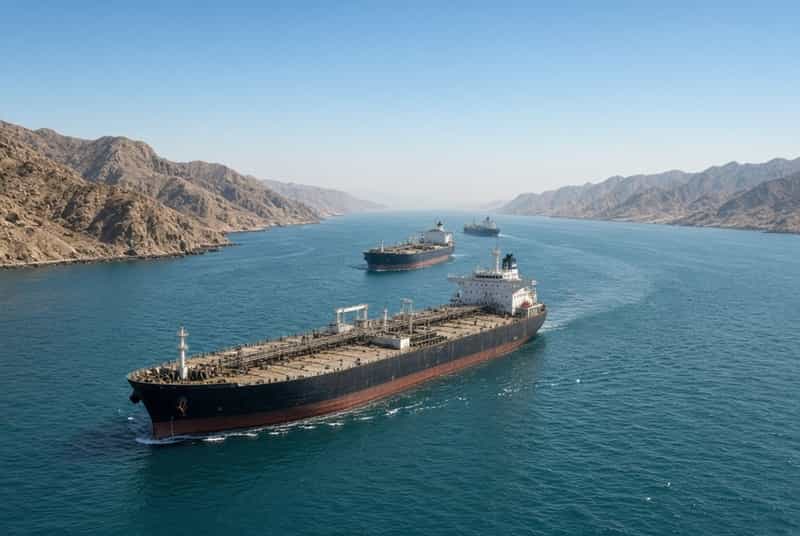
The Strait of Hormuz is the narrow sea route connecting the Persian Gulf with the Gulf of Oman and global markets. Before the war, roughly 20 million barrels a day of oil moved through it, according to the International Energy Agency (IEA). That made it one of the most important energy transit points in the world.
The IEA said average flows through the strait fell to about 2.7 million barrels a day in March, April and May 2026. It described the resulting shock as the largest oil-supply disruption on record and estimated that cumulative Middle Eastern supply losses had exceeded 1.3 billion barrels by late June.
The risk extends beyond crude oil. The route also carries diesel, jet fuel, liquefied petroleum gas and petrochemical feedstocks. A disruption can therefore affect transport, aviation, industry and household energy costs even when headline crude prices appear relatively stable.
Why Brent is near $89 rather than its wartime peak
Oil markets have adapted. The IEA identified several buffers that helped prices retreat from the much higher levels reached earlier in the conflict.
First, governments and companies released oil from inventories. IEA member countries agreed to a 400-million-barrel emergency release, while commercial stocks were also drawn down.
Second, Gulf producers expanded routes that bypass Hormuz. Saudi Arabia increased flows through its East-West pipeline toward the Red Sea, while the United Arab Emirates used its pipeline to Fujairah on the Gulf of Oman.
Third, suppliers outside the Gulf increased exports. The IEA highlighted stronger shipments from the United States and other Atlantic Basin producers. Refiners in Europe, the United States and West Africa also adjusted output to replace missing products, particularly jet fuel.
Finally, high prices and uncertainty weakened consumption. In its June analysis, the IEA projected global oil demand would fall by 1.1 million barrels a day on average in 2026 compared with 2025, a major reversal from the growth forecast issued before hostilities began.
These responses have reduced the immediate imbalance, but they are not unlimited. Emergency reserves can only be released for a finite period, bypass pipelines have capacity limits, and prolonged stock drawdowns leave the market less protected against another shock.
What is the current US-Iran situation?
The conflict began with U.S. military operations against Iran on February 28, 2026. A ceasefire began on April 7, followed by a June 17 memorandum of understanding intended to support safe passage for commercial vessels.
That progress did not hold. In official statements published in late July, the White House said Iran attacked neutral-flagged commercial vessels on July 6 and 7 and that U.S. forces resumed strikes on July 7. The administration said U.S. operations remained active in response to threats against American personnel and regional partners.
Today’s market reporting indicates that negotiations remain difficult and that regional shipping risks have again moved to the foreground. Because claims made during a war may be disputed or incomplete, the most reliable assessment is that diplomacy continues, hostilities have not been conclusively resolved, and safe, regular passage through key waterways remains the central issue for oil markets.
What could happen next to Brent and WTI?
Three broad scenarios matter most.
1. A durable shipping agreement
If the United States and Iran reach an enforceable agreement and normal tanker traffic resumes, the geopolitical premium could shrink. Brent and WTI could move lower, especially if demand remains weak and non-Gulf production stays strong.
2. Prolonged disruption without major escalation
If negotiations drag on while limited shipping continues through alternative routes, prices may remain volatile around an elevated range. In this scenario, each attack, threat or diplomatic announcement could cause sharp short-term moves without establishing a lasting direction. Iran war oil prices
3. Wider regional escalation
Further attacks on vessels, export terminals, pipelines or refineries could push prices sharply higher. The effect would depend on the volume and duration of lost supply, not simply on the existence of military action. A disruption affecting refined fuels could also make diesel or jet fuel rise faster than crude.
These are scenarios, not price forecasts. Currency movements, global growth, production outside the Middle East, inventories and government policy can all amplify or offset the impact of the war.
What higher oil prices mean for consumers and businesses
Crude oil does not translate into retail fuel prices one-for-one. Taxes, refining margins, transport costs, local inventories and exchange rates also matter. However, a sustained increase in Brent and WTI generally raises the cost base for gasoline, diesel, aviation and freight.
That can feed into wider inflation as transport-intensive businesses pass on part of the increase. Airlines, logistics companies, manufacturers and farmers are particularly exposed. For central banks, an energy shock creates a difficult mix: higher inflation alongside weaker household purchasing power and slower economic growth.
The bottom line
Iran war oil prices remain elevated because the conflict threatens one of the world’s most important energy corridors. Brent near $89 and WTI near $84 suggest that the market is still pricing a meaningful supply risk, but also recognizes that emergency stocks, alternative routes, new suppliers and lower demand have softened the disruption.
The next decisive signal will be physical as much as political: whether commercial vessels can move through the Strait of Hormuz regularly and safely. Until that is clear, oil prices are likely to remain unusually sensitive to verified shipping data, official announcements and credible diplomatic developments.
Frequently asked questions
Why is Brent more expensive than WTI?
Brent reflects the international seaborne market and is directly exposed to changes in global shipping and Middle Eastern supply. WTI is centered on the U.S. market, where domestic production and infrastructure can create different supply conditions.
Could oil prices rise above $100 again?
Yes, but it is not certain. A large and sustained loss of Gulf exports could drive prices higher, while restored shipping, weaker demand or additional supply could keep them below that level.
Does Iran control all traffic through the Strait of Hormuz?
No. The strait borders both Iran and Oman, and shipping conditions depend on military, legal and commercial factors. Iran can threaten or disrupt passage, but saying it has uncontested control would oversimplify the situation.
Is this financial advice?
No. This article explains market drivers and geopolitical risks. It does not recommend buying or selling oil, securities or other assets.
Sources
-
Associated Press: Asian markets and oil prices, August 12, 2026
-
Associated Press: Latest developments in the Iran conflict, August 11–12, 2026
-
International Energy Agency: How global oil supplies adjusted to the Hormuz shock, June 22, 2026
-
U.S. Energy Information Administration: World Oil Transit Chokepoints
-
White House: Statement of Administration Policy on U.S. hostilities involving Iran, July 30, 2026
US-Iran War Pushes Oil Prices Higher as Hormuz Risk Returns