US Iran Oil Prices: Brent Near $88 as Hormuz Risks Persist
US Iran Oil Prices: Brent Near $88 as Hormuz Risks Persist
Last updated: August 14, 2026
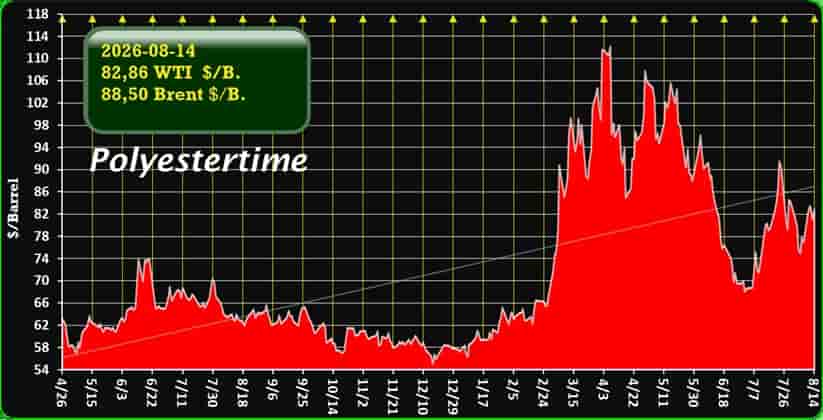
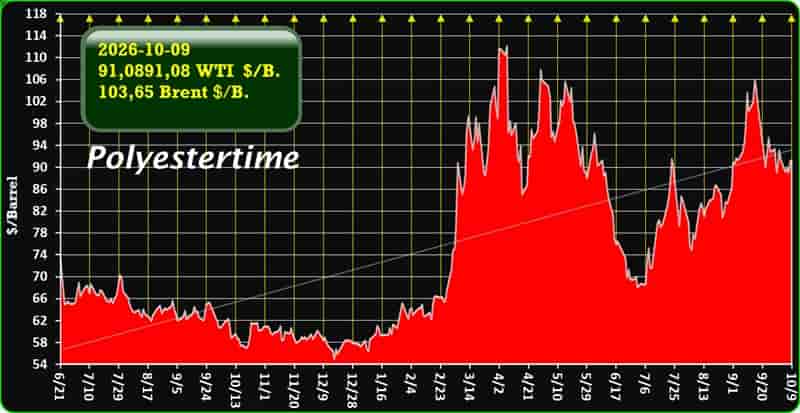
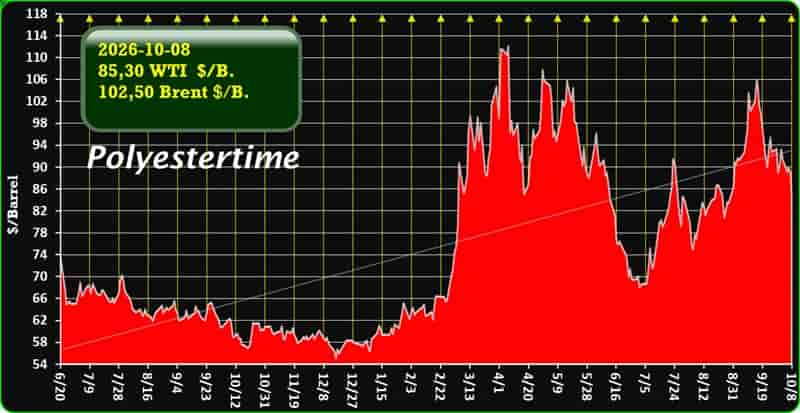
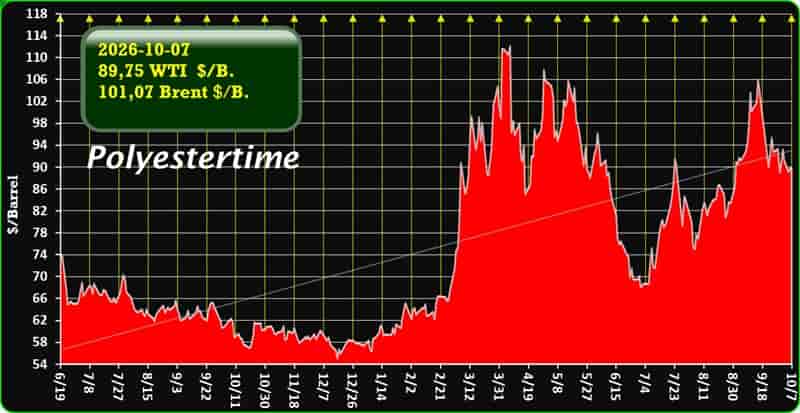
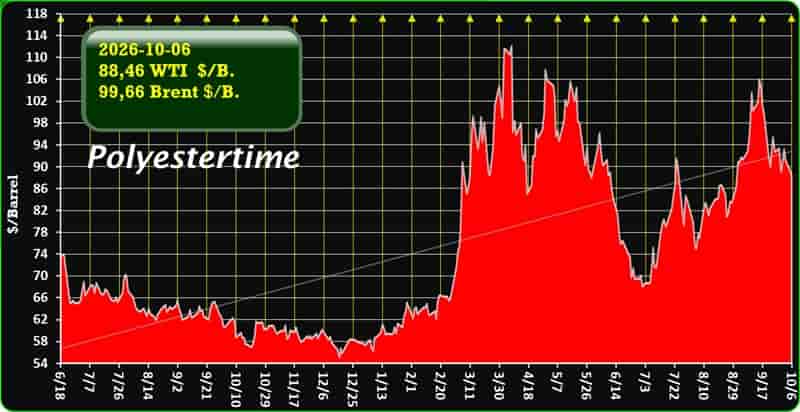
Brent crude is trading at approximately $88 a barrel, while West Texas Intermediate, the main US benchmark, is near $83 a barrel. These prices reflect a substantial geopolitical risk premium linked to the US-Iran war and disruption around the Strait of Hormuz.
The market is not being driven by the conflict alone. Concerns about weaker oil demand, higher production elsewhere and efforts to maintain exports through alternative routes are preventing prices from rising unchecked.
Key points
-
Brent crude is near $88 a barrel and WTI is around $83.
-
Restrictions around the Strait of Hormuz remain the largest immediate supply risk.
-
The waterway normally carries about one-fifth of global petroleum consumption.
-
Red Sea attacks are threatening some of the alternative routes available to regional exporters.
-
Weaker demand forecasts are partially offsetting the geopolitical risk premium.
-
Prices could remain volatile because relatively small political or military developments may change expectations quickly.
Why oil prices remain elevated
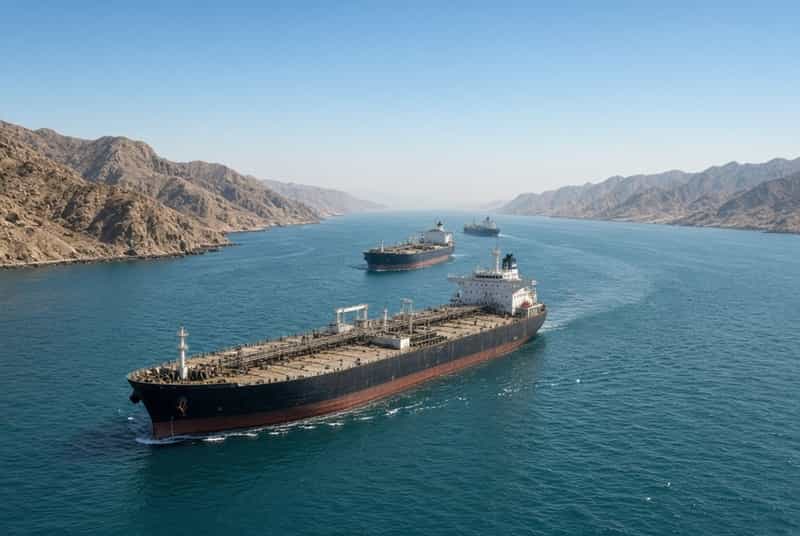
The central issue for the oil market is the effective restriction of commercial traffic through the Strait of Hormuz.
Iran began threatening shipping through the strait after the United States and Israel attacked the country on February 28. Tehran has since tied the restoration of secure navigation to its conditions in negotiations with Washington.
The importance of this waterway is difficult to overstate. According to the US Energy Information Administration, approximately 20 million barrels of oil passed through Hormuz each day in 2024. That represented about 20% of global petroleum-liquids consumption and more than one-quarter of seaborne oil trade.
Only part of this volume can be redirected through pipelines. A prolonged disruption can therefore delay supplies, increase tanker insurance and freight costs, and force refiners to compete for crude from other regions.
This explains why US Iran oil prices can react sharply even when no physical production facility has been destroyed. Traders are pricing the possibility that future deliveries may be delayed or unavailable.
What happened in the latest news
The oil market entered August 14 with Brent close to $88 and WTI near $83, but prices showed signs of stabilising after a strong advance.
Recent reports indicate that some Persian Gulf producers are finding ways to sustain exports. This additional supply has placed modest downward pressure on prices.
The security situation nevertheless remains fragile. Iran has continued to insist that its conditions must be met before normal navigation through Hormuz resumes. At the same time, attacks involving the Iran-backed Houthi movement have increased concerns about shipping and energy infrastructure near Yemen and the Red Sea.
The Associated Press reported that a Houthi attack on a commercial vessel in the Bab el-Mandeb area killed four people. The passage is particularly important because it forms part of an alternative route used for Saudi oil exports when Hormuz is restricted.
Threats affecting both Hormuz and the Red Sea reduce the market’s confidence that displaced oil can be transported safely through another corridor.
Why Brent and WTI trade at different prices
Brent is the principal benchmark for oil sold in Europe, Africa and much of the Middle East. It is particularly sensitive to international shipping disruptions.
WTI primarily reflects conditions in the United States. Strong US production and access to domestic pipeline and storage infrastructure can provide some protection from an overseas supply shock.
This helps explain why Brent is currently trading at a premium of roughly $5 a barrel over WTI. The spread is not fixed and may widen if internationally traded supplies become more difficult or expensive to transport.
Demand concerns are limiting the rally
Supply risk is only one side of the market.
OPEC’s August report reduced its estimate for global oil-demand growth in 2026. The organisation now expects demand to increase by about 580,000 barrels a day, compared with an earlier estimate of 780,000 barrels a day.
The International Energy Agency has also highlighted weakening consumption and the effect of elevated prices on economic activity. High fuel costs can encourage households and businesses to reduce consumption while slowing transport, manufacturing and trade.
The market is consequently balancing two opposing forces: a severe risk to Middle Eastern supply and a less supportive global demand outlook.
This tension can produce sharp daily price movements without establishing a clear longer-term direction. US Iran oil prices
Can emergency oil reserves contain prices?
Governments can release strategic stocks to address a serious supply interruption, but these reserves are finite and cannot permanently replace normal production and shipping.
The US Department of Energy reported that the Strategic Petroleum Reserve contained approximately 304.8 million barrels on August 5. Its nominal maximum drawdown capability is 4.4 million barrels a day, and the department says oil can reach the market about 13 days after a presidential decision.
A coordinated emergency release could reassure traders and ease a temporary shortage. It would be less effective if disruption across Hormuz and the Red Sea persisted for months.
What could send oil prices higher?
Oil prices could rise if:
-
negotiations between Washington and Tehran break down;
-
restrictions on Hormuz become more severe;
-
tankers, pipelines, ports or refineries suffer significant damage;
-
attacks expand along the Red Sea export route;
-
insurance costs force more shipowners to avoid the region;
-
regional producers cannot sustain exports through pipelines or alternative terminals.
Under these conditions, Brent would probably react more strongly than WTI because of its greater exposure to globally transported crude.
What could push prices lower?
Prices could retreat if:
-
a verifiable agreement restores safe navigation through Hormuz;
-
military activity declines;
-
regional producers demonstrate that alternative export capacity is reliable;
-
OPEC+ or non-OPEC producers increase available supply;
-
emergency reserves are released in a coordinated manner;
-
economic weakness reduces global oil consumption.
A ceasefire headline alone may not be sufficient. Markets will also look for evidence that tankers can travel safely, insurance coverage is available and delayed cargoes are moving again.
What higher oil prices mean for consumers
An extended period of expensive crude normally feeds into petrol, diesel and aviation-fuel prices. The impact is not immediate or identical in every country because taxes, currencies, refining capacity and local inventories also influence retail prices.
Businesses may face higher transport and production expenses. Some of these costs can eventually be passed to consumers, contributing to inflation.
Persistent energy inflation may also complicate interest-rate decisions. Central banks generally focus on broader and sustained price pressures rather than reacting to a single move in crude oil.
Oil-price outlook
The most defensible near-term conclusion is that volatility will remain high.
Brent near $88 and WTI near $83 indicate that the market has incorporated a meaningful risk premium but is not assuming the complete and permanent loss of Gulf exports. Current prices instead reflect an uneasy balance between serious supply disruption and weakening demand.
The direction of the next major move will probably depend less on rhetoric and more on observable shipping flows. Tanker movements through Hormuz, security around the Bab el-Mandeb Strait, export volumes and the progress of negotiations will provide the clearest signals.
Readers should treat precise price forecasts cautiously. During an active conflict, military developments and diplomatic announcements can change the market outlook within hours.
Frequently asked questions
Why is the Strait of Hormuz important to oil prices?
About 20 million barrels of petroleum passed through the strait each day in 2024. Few alternative routes can accommodate that entire volume, making Hormuz one of the world’s most important energy chokepoints.
Why is Brent more expensive than WTI?
Brent is more directly exposed to international shipping and Middle Eastern supply disruption. WTI benefits from substantial US production and domestic infrastructure.
Will the US-Iran war push oil above $100?
It is possible but not inevitable. Such a move would probably require a deeper or longer supply interruption, damage to energy infrastructure, or evidence that alternative routes cannot compensate for lost shipments.
Could a ceasefire reduce oil prices?
Yes, but markets would need credible evidence that commercial shipping can resume safely. A political announcement without restored tanker traffic may produce only a temporary decline.
How do higher crude prices affect consumers?
They can raise petrol, diesel, aviation, shipping and manufacturing costs. The scale and timing of the effect depend on refining margins, taxes, exchange rates and local inventories.
Sources and methodology
This analysis distinguishes confirmed developments from possible market scenarios. Price levels are an approximate publication-time snapshot and may change rapidly.
Primary and established sources consulted:
-
US Energy Information Administration: Strait of Hormuz oil flows
-
Associated Press: Latest US-Iran war and shipping developments
This article is general market analysis and does not constitute investment advice.
“Choke Point Crisis: Strait Disruption Threatens US Iran War Oil Prices”