US-Iran War Oil Shock: Brent Hits $102 as Strait of Hormuz Tensions Escalate
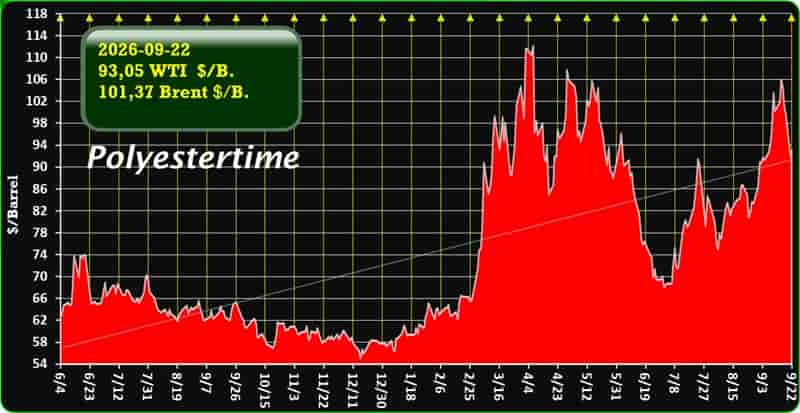
Brent crude has climbed past $102 and WTI sits around $92 as escalating US-Iran conflict and maritime tensions spark renewed global energy disruption concerns.

Brent crude has climbed past $102 and WTI sits around $92 as escalating US-Iran conflict and maritime tensions spark renewed global energy disruption concerns.
Oil prices stabilize around $102 for Brent and $94 for WTI as energy markets weigh geopolitical risk against diplomatic developments at the UN General Assembly.
Crude oil prices have broken through major psychological thresholds as rising military actions around critical transit choke points raise supply concerns worldwide.
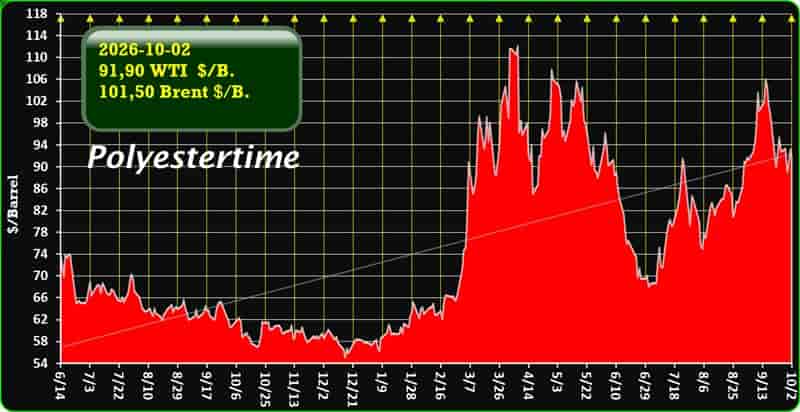
Brent trades near $91-$93 and WTI around $85-$86 as markets balance imminent US sanctions on Iran with profit-taking amid ongoing Strait of Hormuz disruptions.
Brent is trading around $92 a barrel and WTI around $85 as the US-Iran war keeps the Strait of Hormuz, sanctions and disrupted Gulf exports at the center of the oil market. Here is what is driving prices and what could change next.
Brent is trading near $92 a barrel and WTI near $85 as stalled US-Iran diplomacy and restricted shipping through the Strait of Hormuz revive supply concerns. Here is what is moving the market and what could happen next.
Iran is seeking New Development Bank membership as war and sanctions intensify, but formal accession and meaningful financing remain uncertain.
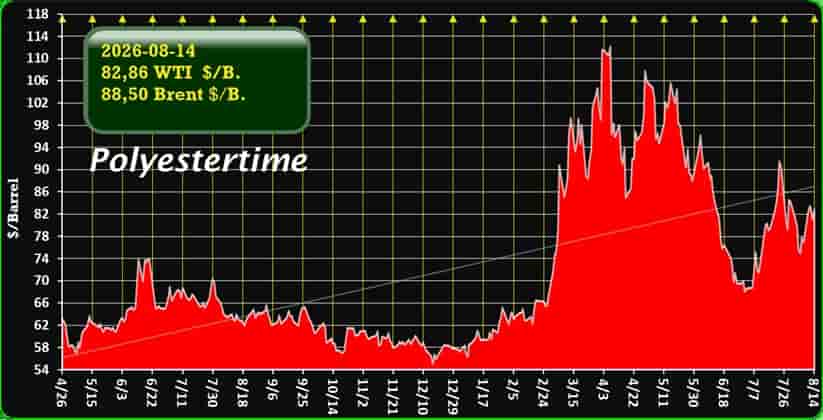
Brent is trading near $88 a barrel and WTI near $83 as the US-Iran war disrupts vital energy routes. Here are the confirmed developments, market forces and risks to watch.
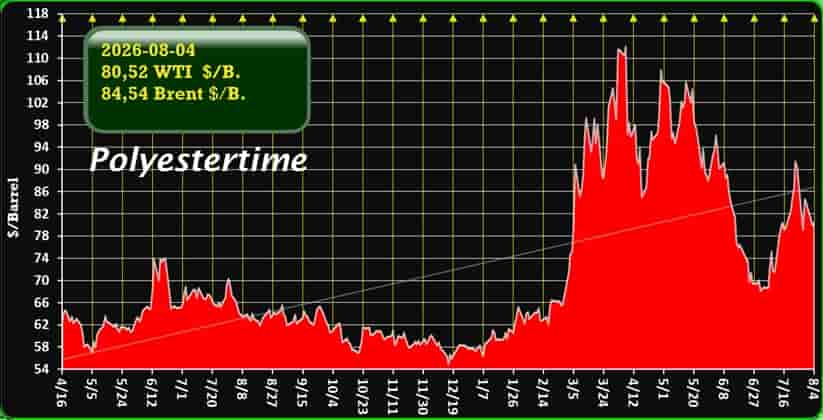
Oil prices remain volatile as the U.S.–Iran war threatens shipping through the Strait of Hormuz. Brent is near $85 a barrel and WTI near $81, while conflicting statements about diplomacy leave traders weighing de-escalation against renewed supply disruption.