US-Iran War Oil Shock: Brent Hits $102 as Strait of Hormuz Tensions Escalate
US Iran War Oil Shock: Brent Hits $102 as Strait of Hormuz Tensions Escalate
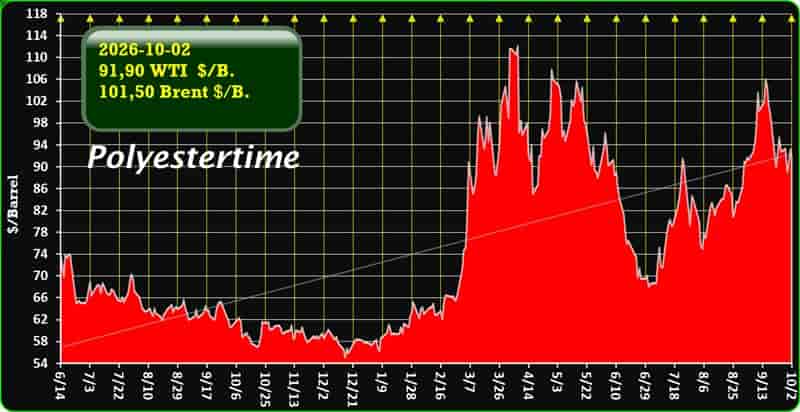
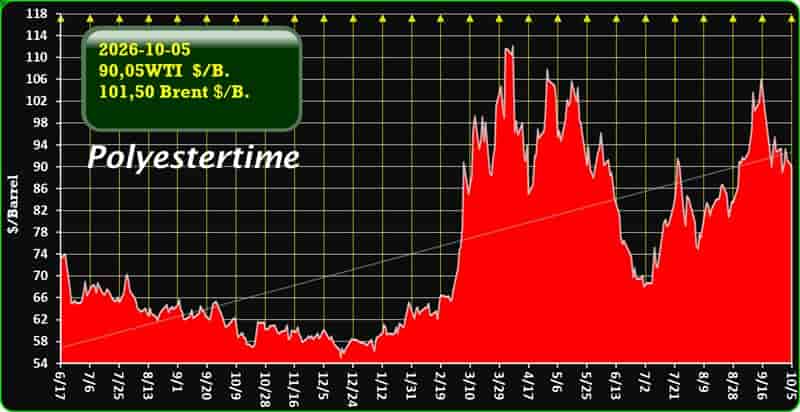
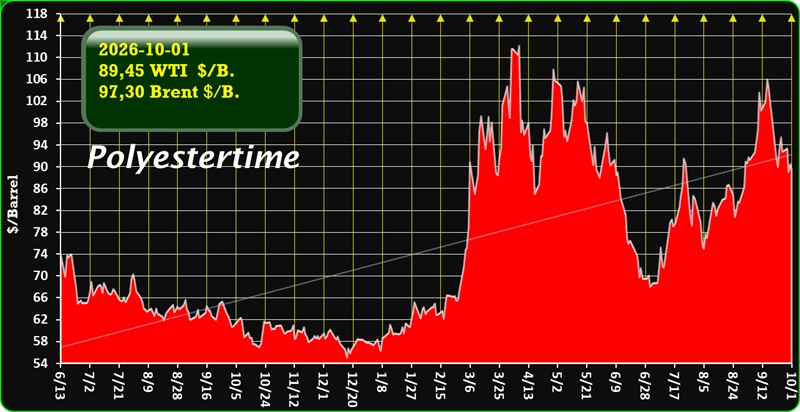
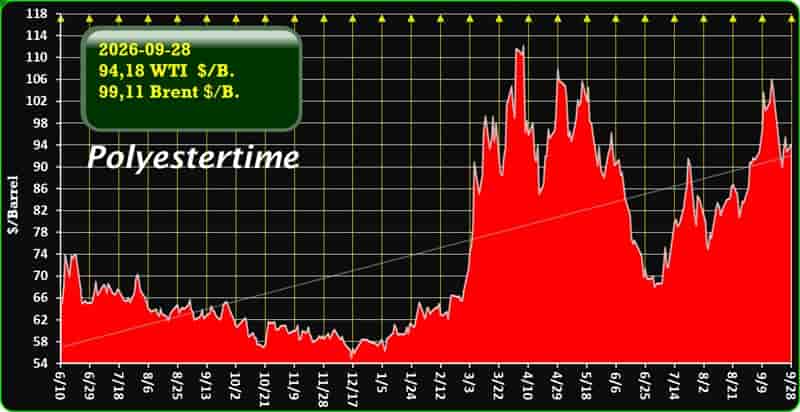
Energy markets are facing a critical turning point as geopolitical conflict in the Middle East spills over into vital maritime trade routes. Global benchmark Brent crude has surged past $102 per barrel, while West Texas Intermediate (WTI) trades around $92 per barrel. The sharp price gap underscores growing divergence between international supply vulnerabilities and domestic US crude reserves.
As the conflict between the United States and Iran intensifies, international shipping lanes in the Gulf face unprecedented security threats. Traders are pricing in immediate supply risks, sparking fears of sustained inflation and broader economic disruption worldwide.
What Is Driving the Recent Oil Price Spike?
The current surge in energy benchmarks reflects immediate supply fears across major global distribution points. Brent crude climbed to $102.30 per barrel following renewed maritime disruptions and military escalations, while regional benchmarks like UAE’s Murban crude spiked even higher toward $109. WTI crude has held near $92 to $93 per barrel, anchored by record domestic production levels in the United States. us iran war oil
+------------------+------------------+-----------------------------------------------+
| Crude Benchmark  | Approx. Price    | Key Driving Factor                            |
+------------------+------------------+-----------------------------------------------+
| Brent Crude      | $102 / barrel    | International exposure to Gulf shipping risks |
| WTI Crude        | $92 / barrel     | US domestic inventory & record output baseline|
| Murban Crude     | $109 / barrel    | High Asian demand & direct Hormuz exposure    |
+------------------+------------------+-----------------------------------------------+
The widening spread between Brent and WTI indicates that international markets, particularly in Europe and Asia, carry a substantially higher risk premium due to their reliance on Middle Eastern exports.
The Strategic Importance of the Strait of Hormuz
At the center of global market anxiety sits the Strait of Hormuz, a narrow waterway handling roughly 20% of global petroleum liquids consumption. Ongoing military engagements, tanker attacks, and blockades have made safe passage increasingly precarious.
[ Gulf Oil Producers ] ---> ( Strait of Hormuz: High Risk Corridor ) ---> [ Global Refining Markets ]
                                     |
                                     +---> Alternative Pipelines (e.g., Saudi East-West Route)
While alternative infrastructure—such as Saudi Arabia’s East-West pipeline—offers partial bypass capabilities, global markets remain vulnerable to total route closures. Any sustained disruption to transit through the strait removes millions of barrels of daily supply from global circulation without immediate replacement capacity.
Macroeconomic Fallout: Inflation and Global Growth
The escalation of energy costs creates immediate ripple effects across the global economy:
-
Resurgent Inflation: Higher input costs for transportation, shipping, and aviation directly drive up retail prices for consumer goods.
-
Monetary Policy Pressures: Central banks facing elevated energy-driven headline inflation may delay planned interest rate cuts or consider renewed tightening.
-
Refined Product Shortages: Diesel and heating oil prices have outpaced raw crude gains, compounding pressures on manufacturing and agriculture.
Import-dependent economies in Asia and Europe bear the heaviest burden, as local refiners must bid aggressively for non-Gulf energy cargoes.
US Domestic Energy Shield vs. Global Vulnerabilities
While global markets face acute supply risk, domestic US energy production provides a partial buffer for North American consumers.
-
Record Production: US crude output reached historic highs above 13.9 million barrels per day, keeping domestic supply relatively resilient.
-
Refining Disconnect: Despite strong domestic production, US fuel prices remain linked to international product markets, leaving retail pump prices exposed to global movements.
-
Strategic Reserves: Federal buffer options remain available, though previous releases leave limited policy maneuvering room for long-term supply offset.
Market Outlook: Key Scenarios for Energy Traders
The trajectory of crude prices depends heavily on upcoming diplomatic and military developments.
Escalation Scenario
If maritime disruptions in the Strait of Hormuz persist or broaden into critical energy infrastructure, market analysts warn Brent could move past $120 per barrel, driving global energy security into emergency status.
Stabilization Scenario
Should diplomatic negotiations or naval convoy protections secure commercial shipping corridors, risk premiums could rapidly unwinds, stabilizing Brent back toward the $85–$90 range.
Strategic Summary for Investors and Businesses
-
Monitor Key Corridors: Track tanker throughput numbers via the Strait of Hormuz and regional bypass pipelines.
-
Hedge Energy Exposure: Businesses reliant on freight and transport should evaluate fuel surcharge structures and hedging contracts.
-
Watch Refined Products: Pay close attention to refined product spreads (diesel and gasoline) rather than focusing solely on raw crude prices.
US-Iran Tensions Push Oil Prices Toward $100: What It Means for the Global Economy
More…