US-Iran Tensions and $100 Oil: How Geopolitical Risk is Shaping Global Energy Markets
US Iran oil prices
Escalating US-Iran Tensions Push Oil Prices Toward $100: Market Impact and Outlook
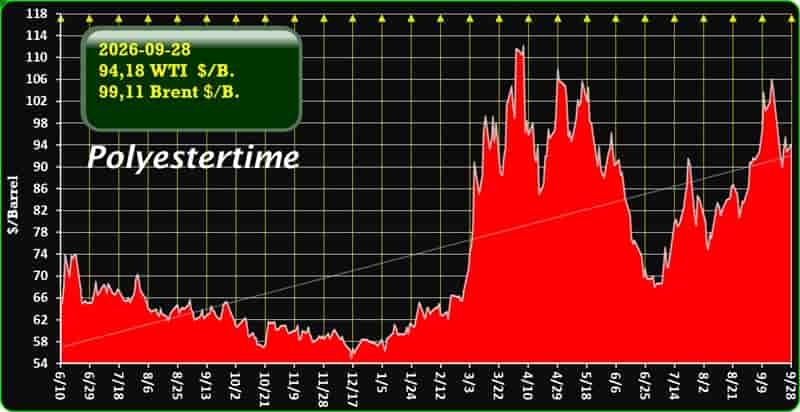
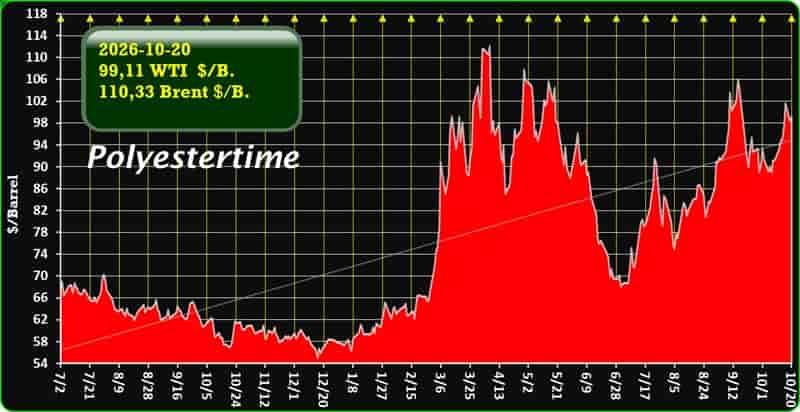
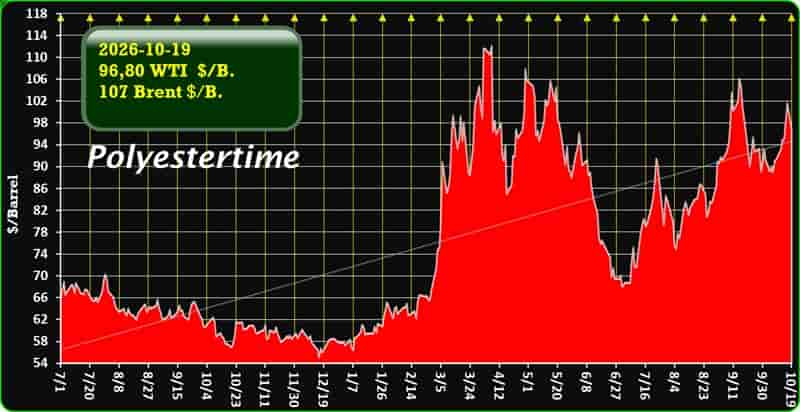
Geopolitical volatility in the Middle East has once again taken center stage in global financial markets. With Brent crude trading near $99 per barrel and West Texas Intermediate (WTI) holding around $94 per barrel, energy markets are pricing in a significant risk premium driven by intensifying military and diplomatic friction between the United States and Iran.
For global supply chains, central banks, and consumers, crude reaching the triple-digit threshold is more than a psychological milestone. It represents a potential shock wave capable of reigniting inflationary pressures and altering central bank monetary policy worldwide. Understanding the current energy landscape requires examining the core drivers of this price surge, the strategic importance of regional choke points, and the broader economic ramifications.
The Geopolitical Catalyst: Escalation in the Middle East
The direct catalyst behind crude oil’s surge toward $100 is the rapid deterioration of diplomatic avenues between Washington and Tehran. Recent military posture shifts in the Persian Gulf, accompanied by retaliatory rhetoric and heightened maritime security alerts, have raised immediate concerns regarding physical supply disruptions.
energy markets operate heavily on forward-looking expectations. Even without an immediate, large-scale destruction of physical infrastructure, prices spike when traders anticipate potential future supply losses. The standoff between the US and Iran carries a particularly high geopolitical risk premium because Iran sits directly adjacent to crucial oil transit routes and exports significant volumes itself.
When friction escalates, energy traders factor in three main risk elements:
-
Direct damage to production and refining facilities across the Middle East.
-
Intermitten military engagement affecting commercial shipping routes.
-
Additional unilateral or multilateral economic sanctions targeting energy exports.
The Strait of Hormuz: The Ultimate Bottleneck
At the heart of the US Iran oil market impact is the vulnerability of the Strait of Hormuz. Located between Oman and Iran, this narrow waterway is arguably the most critical oil transit choke point in the world. Approximately 20% of global petroleum consumption passes through this channel daily, connecting major Middle Eastern oil producers—including Saudi Arabia, Iraq, Kuwait, the UAE, and Iran—to international markets, particularly in Asia.
+-------------------------------------------------------------------+
|                  GLOBAL OIL CHOKEPOINT DATA                       |
+-------------------------------------------------------------------+
| Passage:              Strait of Hormuz                            |
| Daily Volume:         ~20 Million Barrels per Day (bpd)           |
| Global Share:         ~20% of World Petroleum Liquids             |
| Key Risk Factor:      Naval Blockades, Mines, Maritime Seizures   |
+-------------------------------------------------------------------+
Because alternative pipeline capacity around the strait is limited, any disruption to tanker traffic through Hormuz immediately constrains global crude supplies. Even localized incidents—such as electronic jamming of commercial ships, tanker inspections, or defensive military exercises—increase shipping insurance premiums and delay transit times. These logistical hurdles add immediate upward pressure to both Brent and WTI futures contracts.
Supply and Demand Realities: Brent at $99 and WTI at $94
The current price configuration—Brent at $99/B and WTI at $94/B—reflects both global demand factors and tight physical supply. The spread between Brent (the international benchmark) and WTI (the US benchmark) highlights the heightened risk associated with waterborne, internationally traded crude relative to domestic US supplies.
1. Tight Opec+ Production Quotas
Prior to the recent geopolitical flare-ups, global supply was already constrained by disciplined output management from OPEC+. Production cuts implemented over past cycles successfully drained excess global inventories, leaving the market with thin spare capacity buffers. Consequently, the market lacks a readily available cushion to absorb sudden supply disruptions.
2. Physical Inventory Levels
Commercial crude inventories in key trading hubs, including Cushing, Oklahoma, and key European storage hubs, remain near multi-year lows. Low buffer stock amplifies price movements because refiners have less flexibility to withstand delayed shipments.
3. Asymmetric Exposure to Global Risk
Brent crude serves as the global standard for waterborne shipments and is far more exposed to maritime disruptions in the Middle East. WTI, while elevated due to global arbitrage opportunities, trades at a slight discount due to robust domestic US production capability.
Broader Economic Consequences: Inflation and Central Bank Dilemmas
When crude prices hover near $100, the economic ripple effects extend far beyond the energy sector. Higher energy costs act as an implicit tax on both businesses and households, affecting production costs, transportation rates, and consumer spending. US Iran Oil Market Impact
                    ┌─────────────────────────┐
                    │ Crude Oil Price Spikes  │
                    └────────────┬────────────┘
                                 │
                 ┌───────────────┴───────────────┐
                 ▼                               ▼
    ┌─────────────────────────┐     ┌─────────────────────────┐
    │ Higher Transport/Fuel   │     │ Higher Petrochemical &  │
    │         Costs           │     │ Manufacturing Input Cost│
    └────────────┬────────────┘     └────────────┬────────────┘
                 │                               │
                 └───────────────┬───────────────┘
                                 ▼
                    ┌─────────────────────────┐
                    │ Broader Headline        │
                    │   Inflation Rises       │
                    └────────────┬────────────┘
                                 │
                                 ▼
                    ┌─────────────────────────┐
                    │ Central Banks Delay     │
                    │   Interest Rate Cuts    │
                    └─────────────────────────┘
Inflationary Pressures Resurface
Energy costs are a fundamental input for almost all physical industries. A sustained increase in oil prices leads to direct increases in gasoline and diesel prices, which in turn elevates freight charges across retail supply chains. Agricultural production, plastics, and aviation sectors experience immediate margin pressure, which is eventually passed on to final consumer prices.
Monetary Policy Stalemate
For major central banks, including the Federal Reserve and the European Central Bank, rising crude prices complicate interest rate decisions. If headline inflation ticks upward driven by energy costs, central banks may be forced to delay anticipated interest rate cuts or maintain tight monetary conditions for longer than markets previously anticipated. Prolonged high borrowing costs can slow broader economic expansion, raising concerns over potential stagflation.
Strategic Reserves and Policy Responses
In response to sharp price increases, importing nations possess limited short-term intervention mechanisms, primarily centered around strategic petroleum releases and regulatory measures.
Strategic Petroleum Reserve (SPR) Utilization
The US and other International Energy Agency (IEA) member states hold emergency crude stockpiles. While releasing SPR reserves can offer temporary price relief by adding physical barrels to the market, repeated past releases have left total SPR volumes lower than historical averages. Relying heavily on strategic reserves during an ongoing geopolitical conflict introduces long-term security considerations.
Diplomatic Engagement and Sanctions Enforcement
Washington faces a delicate balancing act regarding energy policy and foreign relations. Stricter enforcement of sanctions against Iranian crude exports reduces total global supply, pushing prices higher. Conversely, relaxing enforcement to keep global markets supplied carries political costs during active conflict. Balancing geopolitical posturing with energy affordability remains a primary challenge for policymakers.
Market Scenarios: What Lies Ahead for Energy Markets?
As the situation develops, energy analysts are monitoring three main forward-looking scenarios for the oil market:
-
De-escalation and Pullback (Base-Case Realignment): Should diplomatic channels reopen and military activity de-escalate, the risk premium built into crude pricing will quickly unwind. Under this scenario, Brent could pull back toward the $80–$85 range, aligned with underlying fundamental demand patterns.
-
Sustained Standoff (Status Quo Premium): If tension remains elevated without direct destruction of infrastructure, crude prices will likely remain volatile near current levels ($90–$100). The elevated risk environment will keep buyers cautious and encourage precautionary inventory accumulation.
-
Direct Supply Disruption (Severe Upside Scenario): In the event of active disruptions to shipping in the Strait of Hormuz or direct damage to key production assets, crude prices could rapidly break above $100 per barrel, with potential spikes toward historic highs depending on the duration of the shut-in.
Summary
The escalation in US-Iran tensions has injected substantial volatility into energy markets, driving Brent crude to $99/B and WTI to $94/B. The combination of tight global inventories, disciplined OPEC+ production, and heightened vulnerability at the Strait of Hormuz has forced traders to price in a substantial geopolitical risk premium.
Whether crude breaks permanently into triple digits or stabilizes depends entirely on the stability of transit routes and diplomatic developments in the coming weeks. For consumers, businesses, and economic policymakers, the trajectory of this energy crisis remains a critical variable for global economic stability.
More…