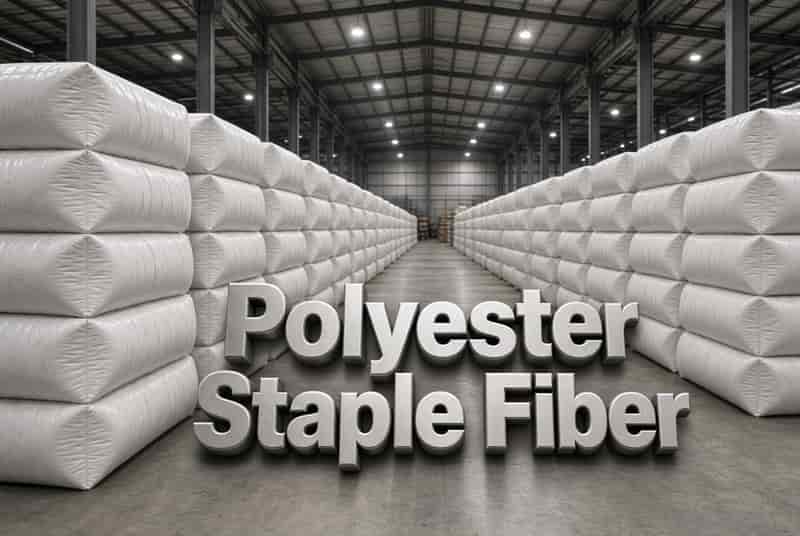
Revolutionizing Textiles: How Parkdale’s Strategic Acquisition Supercharges Biodegradable Fiber Scale
Biodegradable textile technology acquisition
Revolutionizing Textiles: How Parkdale’s Strategic Acquisition Supercharges Biodegradable Fiber Scale
Synthetic fibers like polyester and nylon dominate modern manufacturing due to their durability, low cost, and versatile performance. However, this permanence comes at a steep environmental cost: synthetic textiles continuously shed microplastic fibers during production, laundering, and ultimate disposal. Because conventional polymers are built to resist degradation, microplastics persist in terrestrial and marine ecosystems for centuries.
Addressing this ecological challenge, Parkdale Advanced Materials, Inc., a subsidiary of textile manufacturing leader Parkdale, Incorporated, announced full ownership acquisition of CiCLO technology on October 1, 2026. This move consolidates Parkdale’s investment in advanced fiber chemistry, giving the company complete control over one of the industry’s most widely recognized solutions for microplastic fiber persistence. Biodegradable textile technology acquisition
How CiCLO Technology Tackles Microplastic Pollution
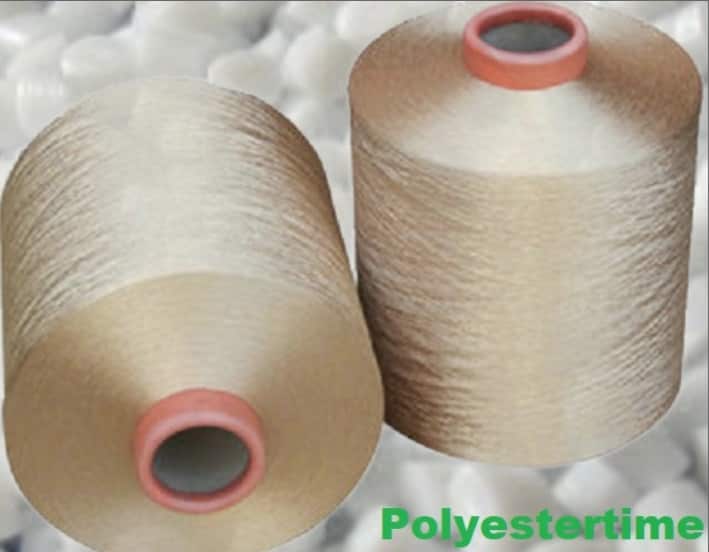
Unlike surface coatings or post-treatment finishes, CiCLO is a patented ingredient embedded directly into polyester and nylon during the initial fiber spinning process. The technology creates microscopic pathways within the synthetic polymer matrix. When synthetic fibers eventually escape into biologically active environments, naturally occurring microorganisms can access and breakdown the material.
Independent laboratory testing utilizing recognized ASTM and ISO standardized test methods demonstrates that fibers treated with CiCLO achieve high levels of biodegradation in environments where textile pollution typically concentrates:
-
Natural Seawater (ASTM D6691): Achieves over 90 percent biodegradation compared to negligible breakdown in untreated polyester.
-
Fertile Soil (ASTM D5988): Enables active soil microbiota to digest synthetic fibers, leaving no toxic residue or persistent microplastics.
-
Biologically Active Landfills (ASTM D5511): Accelerates polymer mineralization under anaerobic digestion conditions.
Critically, the ingredient maintains essential fiber characteristics during consumer use. Tensile strength, dyeability, durability, manufacturing throughput, and mechanical recyclability remain uncompromised throughout the product’s useful lifecycle. The biological breakdown mechanism activates only when exposed to long-term microbial moisture in natural or waste environments. biodegradable textile technology acquisition
Expanding Beyond Traditional Apparel into Industrial Markets
While CiCLO technology established a strong presence in consumer apparel, activewear, home goods, and commercial hospitality textiles, Parkdale’s full acquisition marks an operational shift toward broader industrial scaling. Parkdale plans to leverage its extensive Western Hemisphere manufacturing infrastructure, technical R&D facilities, and global yarn spinning capacity to expand adoption into high-volume adjacent sectors:
-
Nonwovens for Hygiene and Industrial Use: Single-use wipes, medical drapes, and absorbent hygiene products that heavily rely on synthetic fibers.
-
Geotextiles and Environmental Engineering: Civil engineering fabrics used for soil stabilization, road construction, and erosion control that face direct ground exposure.
-
Filtration and Insulation: Commercial air and liquid filtration media, alongside building insulation materials.
-
Automotive and Commercial Furnishings: Heavy-duty interior materials subjected to mechanical wear and high thermal exposure.
Bridging Scale and Material Circularity
Microplastic pollution affects ecosystems regardless of whether synthetic fibers originate from fast fashion or industrial containment systems. Parkdale’s operational scale—processing hundreds of millions of pounds of fiber annually across dozens of facilities—provides the supply chain infrastructure required to transition sustainable additives from niche collections to standard material inputs.
Furthermore, CiCLO technology integrates seamlessly across diverse polymer feedstocks, including virgin polymers, post-consumer recycled (PCR) content, bio-based synthetics, and natural-fiber blends. By combining biological end-of-life breakdown with existing circular recycling streams, the acquisition establishes a dual strategy for managing synthetic materials: keeping fibers in circular reuse loops when collected, while ensuring benign degradation if materials escape into natural ecosystems. Biodegradable textile technology acquisition
More…