Vietnam Extends Crucial Polyester Yarn Anti-Dumping Duties for Five Years
Vietnam Extends Crucial Polyester Yarn Anti-Dumping Duties for Five Years
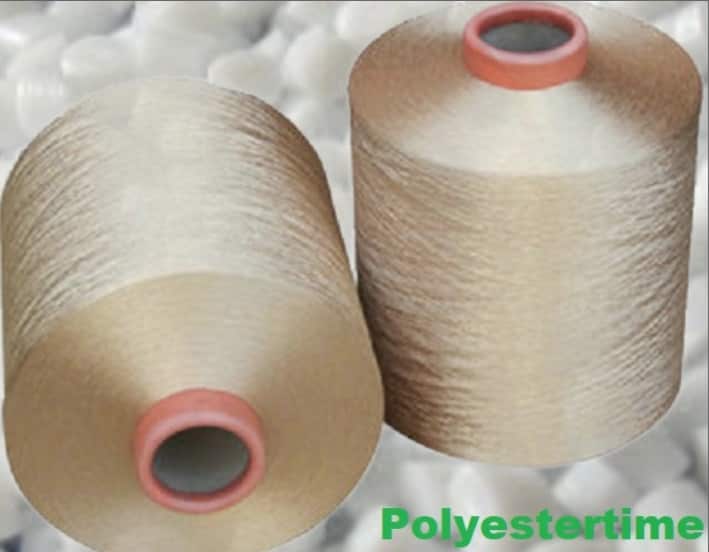
Vietnam’s Ministry of Industry and Trade (MOIT) has formally concluded its final sunset review regarding trade defense measures applied to imported polyester yarn. Under Decision No. 2652/QD-BCT, signed by the Minister of Industry and Trade, the Vietnamese government has officially extended anti-dumping duties on specific polyester yarn products imported from India, Indonesia, Malaysia, and China.
The renewed trade remedies take effect on October 16, 2026, and will remain active through October 15, 2031. This long-term extension provides a major protective buffer for domestic raw material suppliers, texturizers, and spinners who face ongoing structural market challenges across Southeast Asia. polyester yarn anti-dumping duties
Targeted Tariff Structures across Four Exporting Nations
The decision issued by the Trade Remedies Department sets specific tariff rates designed to address persistent price distortions in the domestic textile market. The anti-dumping tariffs vary based on the country of origin and individual company assessments:
-
India: Subject to an anti-dumping duty of 54.9%.
-
Indonesia: Subject to an anti-dumping duty of 21.94%.
-
Malaysia: Subject to an anti-dumping duty of 21.45%.
-
China: Subject to duty rates ranging from 3.57% to 17.45%, depending on the enterprise’s degree of cooperation and pricing practices evaluated during the review period.
These specific duty structures reflect the detailed findings of the investigative authority, which determined that foreign suppliers continued to dump polyester yarn into Vietnam at unfair prices during the initial five-year enforcement period. polyester yarn anti-dumping duties
Detailed Chronology of the Trade Defense Timeline
Vietnam’s enforcement of protectionist measures against unfair yarn imports follows a structured legal timeline governed by the Law on Foreign Trade Management:
-
Initial Duties (October 13, 2021): The MOIT originally enacted official trade defense tariffs via Decision No. 2302/QD-BCT, establishing a initial five-year tariff period aimed at curbing aggressive low-cost imports.
-
Review Initiation (October 16, 2025): Exactly four years into the original measure, MOIT launched a final sunset review under Decision No. 3013/QD-BCT to assess whether terminating the duties would lead to a recurrence of material injury.
-
Five-Year Extension Decision (October 13, 2026): Following comprehensive market analysis, the Trade Remedies Department concluded that ending the tariffs would pose an immediate risk of dumping resumption, resulting in Decision No. 2652/QD-BCT.
Why the Decision Was Essential for Local Textile Supply Chains
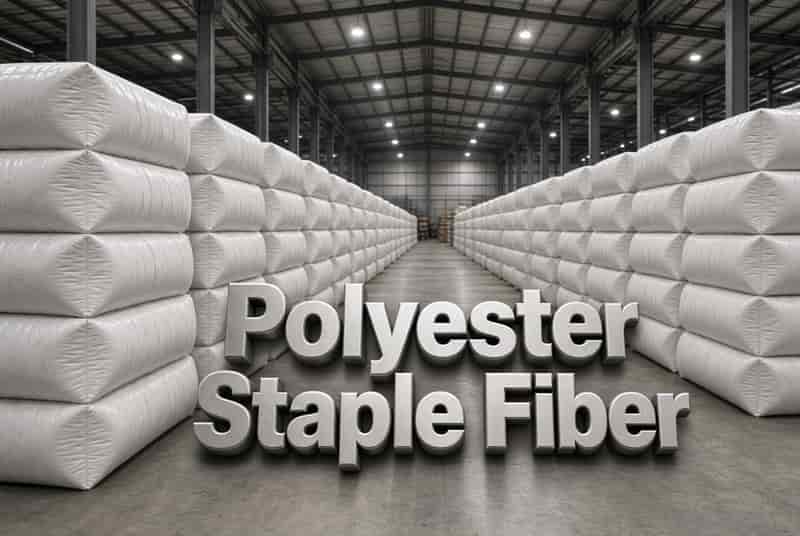
According to findings released by the Trade Remedies Department, terminating anti-dumping measures would lead directly to an influx of low-priced foreign filament and staple yarns. The investigative body highlighted that foreign manufacturers hold substantial excess capacity, allowing them to rapidly scale up volume shipments to Vietnam if trade barriers are removed.
Without protective duties, domestic spinning mills would experience severe margin compression, reduced output, and declining market share. Because polyester yarn forms the fundamental input for Vietnam’s garment export industry, stabilizing the upstream raw material supply remains a priority for sustainable growth. polyester yarn anti-dumping duties
Broader Context: Vietnam’s Active Trade Defense Strategy
The extension of polyester yarn anti-dumping duties reflects a broader trend of proactive trade defense enforcement by Vietnam’s Ministry of Industry and Trade. Beyond synthetic fibers, Vietnamese authorities have increasingly utilized targeted anti-dumping measures across several industrial sectors to ensure fair market conditions.
Recent actions by the Trade Remedies Department include provisional duties applied to foreign float glass imports (Decision No. 228/QD-BCT), along with active trade defense investigations into imported steel, fiberboard, and industrial construction materials. This strategic oversight ensures domestic manufacturers remain competitive against subsidized or dumped imports from regional competitors.
Strategic Implications for Textile Manufacturers and Importers
For local yarn spinners and garment exporters, the five-year duty extension provides stability for investment and production planning. Importers, trading houses, and foreign supply chains should take note of the following operational adjustments:
-
Strict Proof of Origin Requirements: Customs authorities will enforce strict verification of Certificates of Origin (C/O) to prevent circumvention through third-party routing.
-
Regular Exemption Reviews: Exporters and importers with specialized yarn products not manufactured domestically may apply for specific trade remedy exemptions under existing MOIT regulatory framework guidelines. polyester yarn anti-dumping duties
-
Cost Structure Adaptation: Domestic garment manufacturers relying on foreign inputs will need to re-evaluate vendor pricing or shift purchasing toward domestic suppliers to maintain cost efficiency.
Through Decision No. 2652/QD-BCT, Vietnam reinforces its commitment to transparent, law-based trade remedies that align with World Trade Organization (WTO) standards while safeguarding vital domestic manufacturing sectors. polyester yarn anti-dumping duties
Hengli Petrochemical’s PTA Expansion Strengthens China’s Polyester Supply Chain
More…