Squeezing Domestic Industry: Unfair Foreign Tariffs Spark Massive Trade Defense Probe
India caprolactam anti-dumping probe
Squeezing Domestic Industry: Unfair Foreign Tariffs Spark Massive Trade Defense Probe
India’s Directorate General of Trade Remedies (DGTR) has officially launched an anti-dumping investigation into caprolactam imports originating from four major global chemical exporters: China, Russia, Thailand, and the United States. Initiated following a petition by Gujarat State Fertilizers & Chemicals Limited (GSFC), the primary domestic producer, this high-stakes inquiry addresses allegations that aggressively underpriced foreign shipments are severely undercutting local manufacturers and distorting domestic market conditions. India caprolactam anti-dumping probe
This investigation into caprolactam is not an isolated regulatory action. It forms part of a broader, aggressive trade defense campaign by New Delhi, which recently initiated multiple concurrent anti-dumping investigations across chemicals, pharmaceuticals, and industrial components—including persulphates, Penicillin G, and copper tubing. As global chemical overcapacity and sluggish post-pandemic industrial recovery squeeze profitability across international supply chains, India is increasingly turning to trade defense mechanisms to safeguard its vital domestic manufacturing ecosystem. India caprolactam anti-
Understanding Caprolactam: The Backbone of Nylon Manufacturing
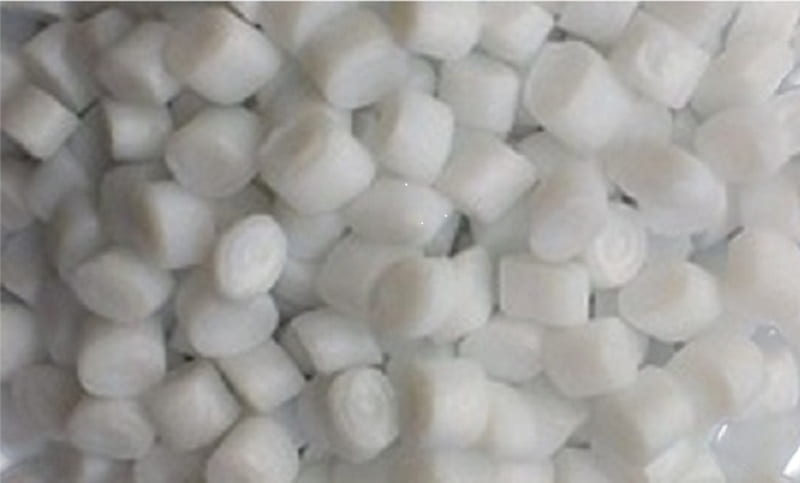
Caprolactam is far from a niche chemical compound; it serves as the irreplaceable organic feedstock used to manufacture Nylon-6 polymers. Nylon-6 is a versatile material essential to two massive industrial pillars: nylon filament yarn for the textile industry and heavy-duty nylon tire cord fabric for automotive and industrial transport manufacturing. Because of this strategic positioning, pricing distortions in caprolactam resonate across interconnected supply chains, from upstream petrochemical refiners to downstream textile mills and tire manufacturers.
For Indian chemical producers, the influx of cheap foreign material creates severe economic strain. When imported cargoes land at prices significantly below domestic production costs, domestic suppliers face a harsh dilemma: they must either slash selling prices—eroding margins and operating at a loss—or surrender market share and run processing plants at dangerously low utilization rates. Over prolonged periods, these artificially depressed price levels discourage capital investment in scale and process modernization, threatening long-term industrial self-reliance. India caprolactam anti-dumping probe
What Triggered the Comprehensive Trade Probe?
The formal petition submitted by GSFC alleged that exporters from China, Russia, Thailand, and the US have consistently dumped caprolactam into the Indian market at prices below normal value and local cost of production. Compounding the situation, official import data indicates that foreign shipment volumes expanded significantly precisely during a period when domestic industrial demand was softening. This toxic combination of rising import volumes and falling market demand drastically accelerated financial injury to home-grown suppliers.
Upon evaluating the initial petition, the DGTR determined that there was sufficient prima facie evidence of both product dumping and resulting material injury to justify a formal, comprehensive inquiry. While the opening of a probe does not guarantee that anti-dumping duties will be imposed, it confirms that regulatory authorities recognize a credible threat to the financial stability of domestic chemical manufacturing.
Key metrics under investigation by the DGTR include:
– The actual dumping margin and price undercutting across imported shipments.
– Comparative analysis between foreign landed costs and domestic selling prices.
– Shifts in domestic production capacity utilization, overall sales volume, and operator profitability.
– The broader macroeconomic impact on downstream industrial consumers, including textile and automotive rubber processors. India caprolactam anti-dumping probe
Balancing Trade Protection with Downstream Market Costs
The prospective outcome of the DGTR investigation presents a delicate policy challenge for trade regulators. If the investigation confirms that dumped imports have inflicted material injury on domestic producers, the Commerce Ministry may recommend anti-dumping duties structured to neutralize the price gap and restore a fair competitive environment.
However, trade remedies inevitably carry trade-offs. While protective tariffs shield domestic caprolactam manufacturers from predatory foreign pricing, they also increase raw material input costs for downstream Nylon-6, textile, and automotive tire producers. Policymakers must carefully weigh the urgency of protecting critical upstream chemical infrastructure against the financial pressure that added tariffs could place on labor-intensive downstream industries competing in international export markets. India caprolactam anti-dumping probe
A Stricter Stance in India’s Trade Defense Strategy
This anti-dumping inquiry underscores India’s broader macroeconomic strategy: actively defending key industrial sectors while pursuing ambitious domestic manufacturing programs like the ‘Bhavya Rasayan’ chemical park initiatives. Faced with global market distortions and aggressive excess capacity from abroad, Indian regulatory authorities are signaling an unwillingness to let crucial domestic supply chains be eroded by unfair import practices. India caprolactam anti-dumping probe
For international traders, domestic chemical producers, and downstream industrial buyers, the next phase of the investigation will be decisive. The final determination will hinge on empirical evidence gathered by the DGTR regarding market injury, establishing whether temporary anti-dumping duties are required to recalibrate the market and enforce a fair playing field across India’s chemical ecosystem.
Nylon Chain Cracks as Margin Squeeze Pushes DTY and CPL Prices Lower Amid US-Iran Conflict
More…