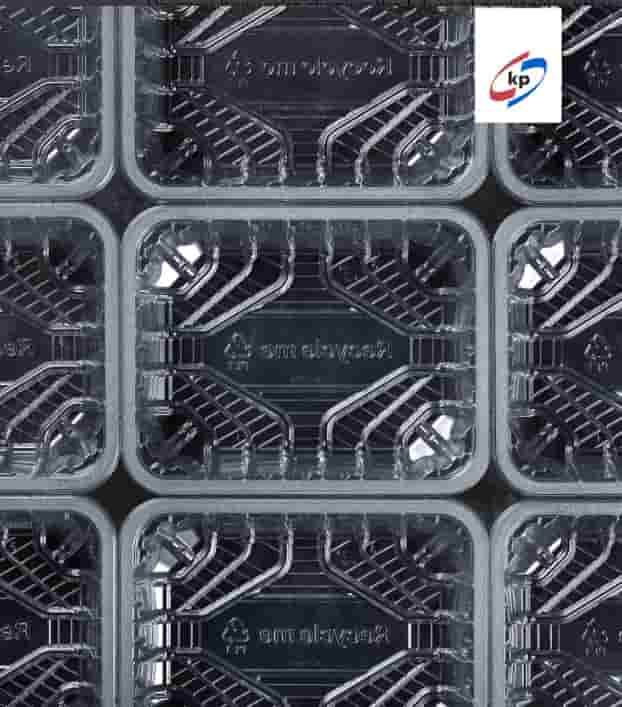
Packaging Breakthrough: Mono PET Tray Innovation Wins Double Honor at 2026 RECOUP Awards
Klöckner Pentaplast claims double victory at the 2026 RECOUP Awards for its lightweight mono PET tray innovation, accelerating sustainable food packaging.

Klöckner Pentaplast claims double victory at the 2026 RECOUP Awards for its lightweight mono PET tray innovation, accelerating sustainable food packaging.
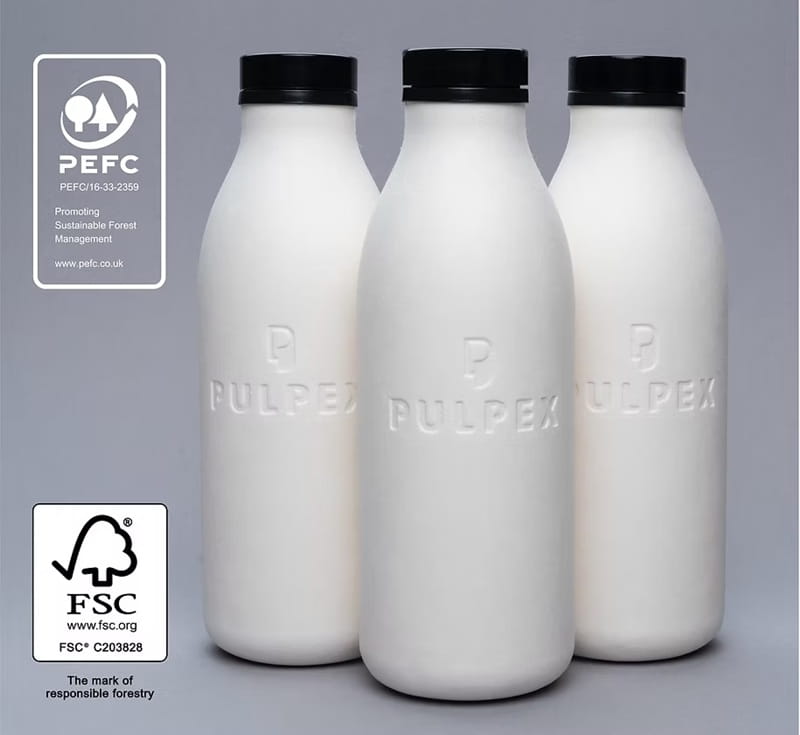
Pulpex launches its first commercial plant in Scotland, producing 40 million paper bottles per year. Thanks to Perlen Papier, this revolutionary cellulose packaging technology is set to transform the Italian market.
Shifting to lightweight PET packaging involves more than shaving off resin grams. Learn how Competek’s end-to-end engineering approach preserves bottle strength and production stability.
Toppan Group subsidiary Irplast has inaugurated a new high-performance BOPP film line in Atessa, Italy. Scaling capacity to 30,000 tons annually, this €60 million investment accelerates the European shift toward recyclable mono-material packaging and EU PPWR compliance.
ALPLA invests €30 million in state-of-the-art packaging facilities in İzmir and Adana, accelerating sustainable supply chains across Türkiye.
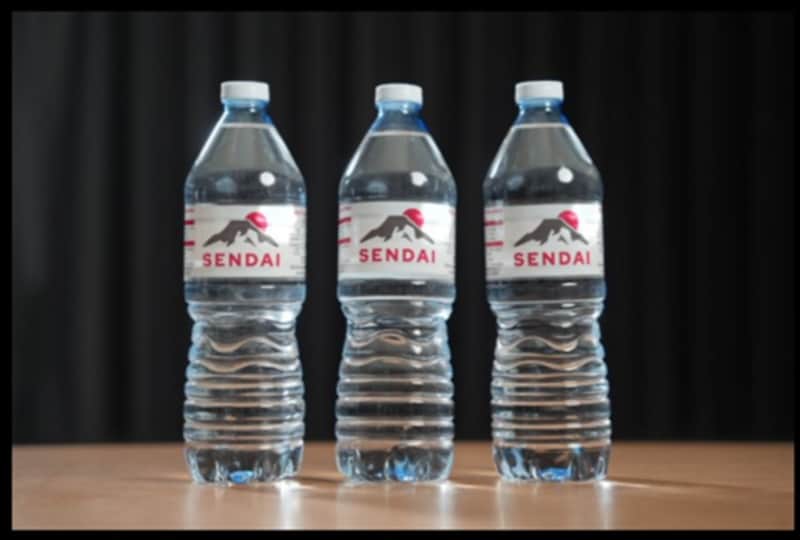
Arpanon Beverage Company partners with packaging leader Sidel to launch a 9-gram ultra-lightweight 600ml PET bottle for its SENDAI brand. The solution cuts raw plastic by 30%, halves energy consumption, and slashes waste by five-fold without sacrificing bottle strength.
Sidel will showcase its packaging line innovations, laser preform heating, and predictive digital tools at Allpack Indonesia 2026.
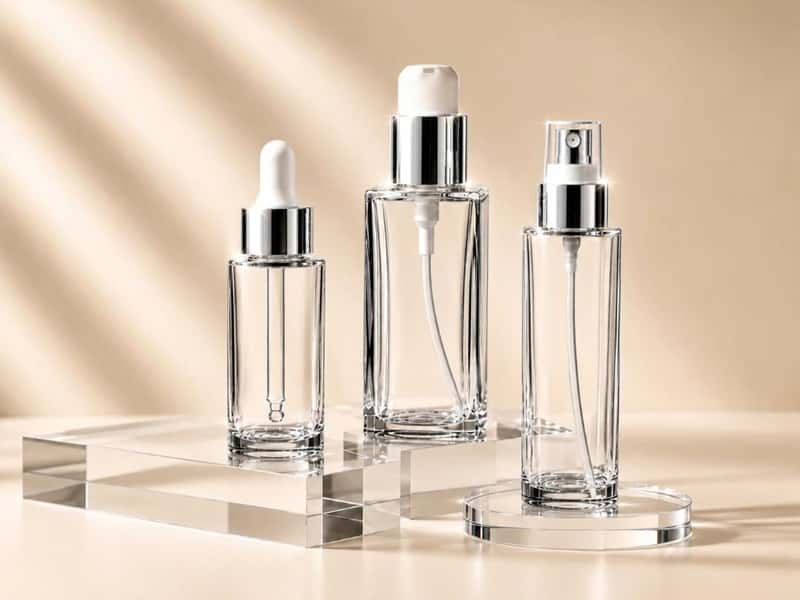
Indorama Ventures and REBHAN have launched a clear, thick-wall PET bottle platform that gives beauty brands a glass-like look with lighter, shatter-resistant performance and recycled-feedstock options.
Sukano has reserved access to future supplies of Avantium’s plant-based releaf polymer, moving the companies’ PEF collaboration closer to possible commercial deployment.