EU Terephthalic Acid Duties Deliver a Decisive Trade Shield
EU Terephthalic Acid Duties Deliver a Decisive Trade Shield
The European Union has converted its temporary trade defence into definitive protection for a chemical that sits near the start of several major manufacturing chains. On 10 August 2026, the European Commission announced definitive anti-dumping duties on terephthalic acid imported from the Republic of Korea and Mexico.
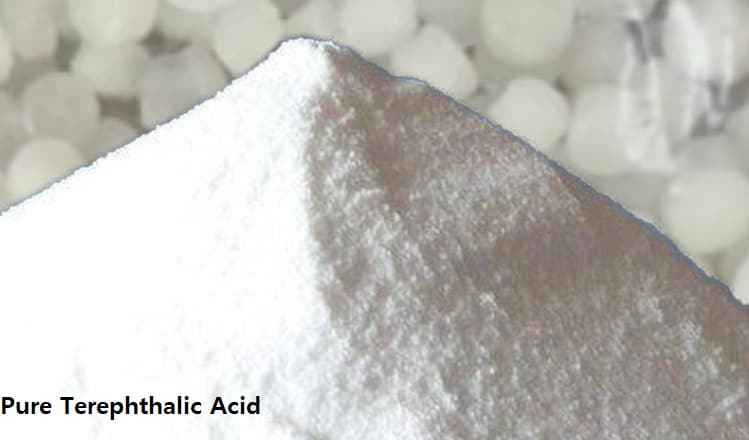
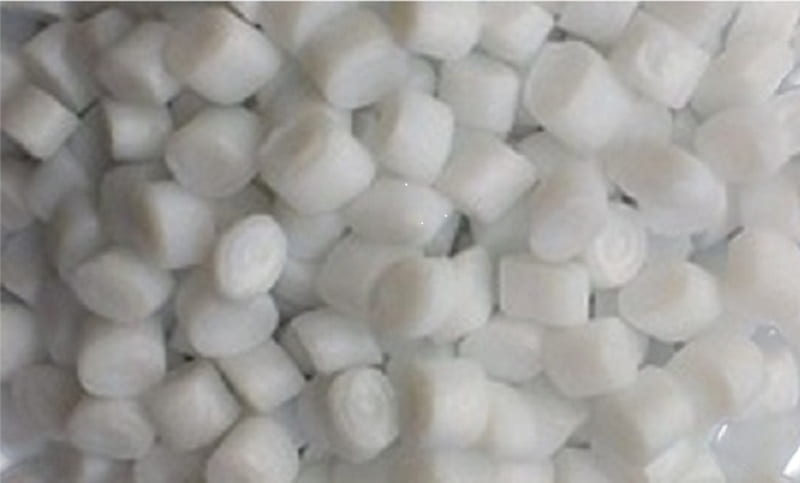
The decision matters well beyond the producers of the chemical itself. Terephthalic acid is the main feedstock for polyethylene terephthalate, better known as PET, which is widely used in beverage bottles, food packaging, polyester fibres and other everyday products. A change in the cost and availability of this raw material can therefore travel through packaging, textiles, recycling and consumer-goods supply chains.
The decision at a glance
-
Korean-origin terephthalic acid faces definitive duties ranging from 6.1% to 13.3%, depending on the exporting producer.
-
Mexican-origin terephthalic acid is subject to a 24.1% definitive duty.
-
The measures follow an investigation opened on 13 August 2025 after a complaint lodged by INEOS Aromatics on 30 June 2025.
-
The Commission found that imports from both countries were entering the EU at dumped prices and injuring the Union industry.
-
The affected EU market is worth about €1.4 billion and supports roughly 600 direct jobs in Belgium, Poland and Spain.
These are definitive, not provisional, measures. The Commission had already introduced provisional duties in April 2026. The new act, Commission Implementing Regulation (EU) 2026/1904, imposes the final rates and provides for the definitive collection of the provisional duty, subject to the detailed rules in the regulation.
Why Brussels imposed the duties
Dumping, in trade-law terms, does not simply mean that an imported product is cheap. It refers to goods being exported to the EU at a price below their normal value. Before imposing definitive duties, the Commission must also establish injury to the EU industry and a causal link between the dumped imports and that injury.
According to the Commission, its investigation reached those conclusions for terephthalic acid from Korea and Mexico. The proceeding began after INEOS Aromatics, a producer based in Belgium, submitted a complaint supported by evidence that the Commission considered sufficient to open a formal investigation.
The official regulation states that the complainant represented between 27% and 47% of Union terephthalic acid production. The range is used in the public document to protect confidential business information. This detail is important: the case was initiated through the EU’s established trade-defence process rather than through a general political decision to raise import barriers.
How the final rates differ by origin
The definitive terephthalic acid duties are not uniform across the two exporting countries. Korean producers face rates within a 6.1% to 13.3% band, with the applicable percentage determined by the producer identified in the regulation. Imports from Mexico face a single 24.1% rate.
For EU importers, origin and producer identification will consequently be central to customs treatment. A shipment described simply as coming from Korea may not contain enough information to establish the correct rate. Buyers and customs representatives should verify the producer, product classification and supporting documentation against the regulation rather than relying on the headline percentages alone.
The measure covers terephthalic acid meeting the product definition set out in the legal act. Commercial names such as PTA, meaning purified terephthalic acid, can be useful in the market, but the binding customs scope is the one established by the regulation and its tariff classification. Importers should treat that legal text as the controlling source.
Why terephthalic acid is strategic for Europe
The European Commission describes terephthalic acid as a strategic commodity because it is used to make PET. PET is deeply embedded in European manufacturing: it appears in plastic bottles and trays, food packaging and polyester fabrics. It is also a central material in established collection and recycling systems.
That position gives the case an industrial-policy dimension. The Commission estimates the EU terephthalic acid market at approximately €1.4 billion. European production directly employs about 600 people, concentrated in Belgium, Poland and Spain. The number of direct jobs is relatively modest compared with the downstream industries that depend on PET, but the plants provide a domestic source of a widely used intermediate chemical.
The Commission also links PET products to EU recycling and sustainability objectives. Trade defence and environmental policy are not the same thing, however. The duties respond to the Commission’s findings on dumping and injury; they should not be interpreted as a separate environmental certification or as proof that every European supply route has a lower footprint.
What could change for PET buyers
The immediate legal effect falls on imports of the chemical, but commercial consequences may be broader. Duties raise the landed cost of affected shipments unless exporters, importers or other businesses absorb part of the increase. This may strengthen the negotiating position of EU producers while encouraging buyers to reassess sourcing, contracts and inventories.
It is too early to state that PET prices across Europe will rise by a particular amount. The final impact will depend on factors including feedstock and energy costs, freight rates, exchange rates, plant operating levels, inventory and the availability of alternative suppliers. The duty percentage cannot simply be translated into an identical percentage increase in the final price of a bottle, package or textile.
Companies buying terephthalic acid or PET should nevertheless review exposure. Useful checks include confirming the origin and producer of imported material, examining who bears new customs costs under existing contracts, checking whether price-adjustment clauses apply and monitoring any shift in lead times. Downstream manufacturers may also want suppliers to explain how their sourcing mix could change.
From complaint to definitive measure
The chronology shows a proceeding completed in just under a year. INEOS Aromatics lodged its complaint on 30 June 2025. The Commission opened the investigation on 13 August 2025, later made the relevant imports subject to registration and imposed provisional duties on 10 April 2026. Regulation (EU) 2026/1904 was adopted on 7 August and published in the EU Official Journal on 10 August 2026.
This sequence also corrects a potentially misleading description of the latest step. Brussels has not opened a new case and has not merely extended the April announcement. It has completed the investigation and adopted definitive measures on the basis of its final findings.
What happens next
Importers must apply the measure according to the conditions, company names and classifications in the definitive regulation. Producers and customers will now watch whether trade flows change, whether alternative origins gain market share and how European operating rates respond.
For readers following the PET chain, the central conclusion is straightforward: the EU has decided that dumped Korean and Mexican terephthalic acid caused injury serious enough to justify definitive duties. The 6.1% to 24.1% rate range is significant, but its effect on downstream prices will emerge through contracts and market conditions rather than through an automatic one-for-one increase. terephthalic acid duties
Frequently asked questions
What are the new EU terephthalic acid duties?
Definitive duties range from 6.1% to 13.3% for imports originating in the Republic of Korea, depending on the exporting producer. Imports originating in Mexico face a 24.1% duty.
Who requested the investigation?
INEOS Aromatics lodged the complaint on 30 June 2025. The European Commission opened the anti-dumping investigation on 13 August 2025.
What is terephthalic acid used for?
It is primarily used to manufacture PET, a polymer found in bottles, food packaging, polyester fabrics and other products.
Are these duties provisional?
No. The April 2026 measures were provisional. Regulation (EU) 2026/1904 imposes definitive duties and addresses definitive collection of the provisional duty under its legal conditions.
Sources