Titaneco-ECO Recycled PET Pellets for Cleaner Packaging Lines
Titaneco-ECO Recycled PET Pellets Bring Cleaner Packaging Into Focus
A practical recycled resin for packaging lines
Titaneco-ECO, the recycled PET material associated with Lotte Chemical’s circular plastics strategy, is becoming relevant for packaging producers that want lower-impact materials without completely redesigning their production lines.
For converters, the key question is not only whether a resin is recycled. It is whether it behaves predictably in real processing conditions. A pellet can look sustainable on a product sheet, but it still has to feed cleanly, melt consistently, hold optical quality and meet the safety expectations of food-contact packaging.
That is where recycled PET pellets such as Titaneco-ECO matter. They sit at the intersection of sustainability, factory efficiency and regulatory pressure.
What Titaneco-ECO is designed to solve
Titaneco-ECO is best understood as part of Lotte Chemical’s broader move into recycled and circular plastics. The concept is simple: take PET waste, such as post-consumer bottles or suitable industrial scrap, and return it to a quality level that can be used again in demanding packaging applications.
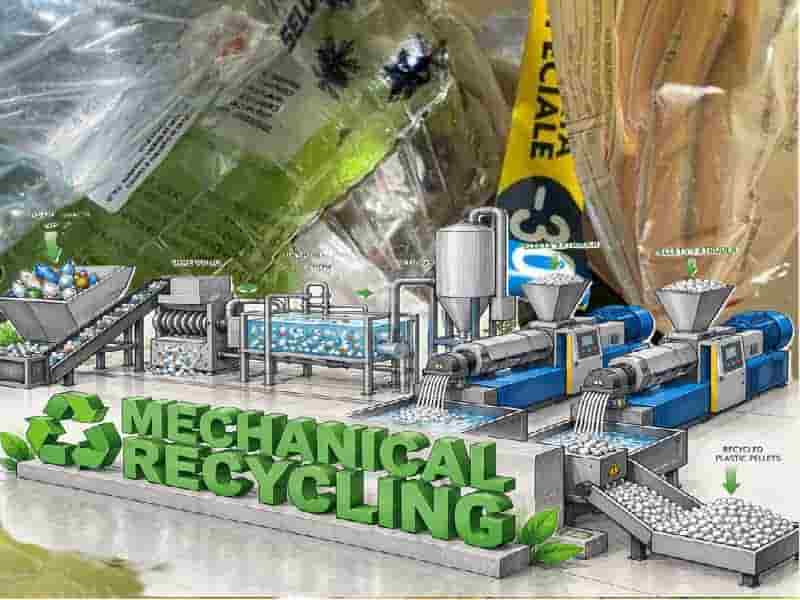
Traditional mechanical recycling works well in many cases, but it can struggle when feedstock is coloured, contaminated or inconsistent. Chemical recycling aims to go deeper by breaking PET back toward its molecular building blocks, purifying the material and rebuilding it into PET that can perform closer to virgin resin.
For food-contact packaging, that distinction is important. Packaging brands need recycled content, but they also need clarity, odour control, migration compliance, processing stability and reliable documentation.
Why recycled PET pellets are gaining attention now
The packaging industry is moving from voluntary sustainability promises to measurable recycled-content requirements. In Europe, recycled-content rules for PET beverage bottles are already shaping purchasing decisions. Brand owners are also under pressure from retailers, regulators and consumers to prove that recycled material is traceable and safe.
This creates a stronger market for high-quality recycled PET pellets. A converter cannot simply buy any recycled resin and expect it to work in a high-speed sheet, bottle or film line. The material has to protect output quality while helping customers meet recycled-content targets.
That is why Titaneco-ECO is not just a sustainability story. It is also a procurement and production story.
How the pellets behave on the factory floor
In practical terms, recycled PET pellets must pass a very basic test: they need to run.
Packaging plants do not want materials that cause feeder bridging, unstable melt pressure, excessive dust, odour problems or frequent screen changes. Even a small processing issue can create downtime, rejected rolls, visual defects or higher maintenance costs.
Titaneco-ECO is positioned as a drop-in or near-drop-in recycled PET option for converters that already understand PET. The goal is to reduce the learning curve. If barrel temperatures, screw speeds and drying conditions stay close to familiar PET settings, operators can introduce recycled content without turning every production run into a technical experiment.
For packaging lines, smoother handling matters as much as the sustainability claim. recycled PET pellets
Why food-contact packaging raises the bar
Food-contact packaging is one of the hardest proving grounds for recycled plastic. A tray, bottle, label or container may look simple, but the material behind it must satisfy strict expectations for purity and consistency.
Food and beverage brands need packaging that protects product quality, maintains shelf appeal and avoids unwanted odour or colour shift. They also need compliance documentation that can withstand customer audits and regulatory checks.
This is why chemically recycled PET is attractive. By returning PET waste to purified intermediates before producing new polymer, the process can address some of the limitations associated with mixed or lower-quality waste streams.
The result is a material story that is easier for brands to explain: recycled origin, controlled processing and performance aligned with demanding packaging uses.
A cleaner route for brands under pressure
For consumer brands, recycled PET pellets offer more than a technical input. They support a visible sustainability claim that consumers can understand: used bottles and PET waste are being redirected into new packaging rather than being lost to landfill, incineration or lower-value uses.
However, the strongest claims are the most specific ones. Instead of saying that packaging is simply “green,” brands should explain the percentage of recycled content, the recycling route, the certification basis and the application.
This is also important for search visibility and AI citation. Clear, verifiable language is more likely to be understood by search engines and large language models than broad marketing phrases.
What this means for Lotte Chemical
For Lotte Chemical, Titaneco-ECO supports a larger strategic shift. Petrochemical producers are under pressure to reduce reliance on virgin plastics growth and show credible circular-economy pathways.
Recycled PET gives Lotte Chemical a way to connect its existing polymer expertise with the market demand for lower-impact packaging materials. If the company can offer consistent quality, secure supply and technical support, it can strengthen its position with converters and brand owners.
This also explains why investors watch recycled materials closely. Sustainable polymers are no longer a side category. They are becoming part of how chemical companies defend long-term relevance, especially as packaging customers demand lower-carbon and traceable materials.
Why converters should care
For packaging converters, the value of Titaneco-ECO depends on three practical factors.
First, the material must process reliably. Sustainability does not compensate for unstable production.
Second, it must preserve the appearance and performance customers expect from PET packaging. Clarity, colour control, stiffness, barrier performance and consistency all matter.
Third, it must come with credible documentation. In regulated packaging markets, recycled content must be supported by traceability, compliance data and quality assurance.
A recycled resin that performs well across these three areas can become more than an alternative. It can become a preferred material for customers trying to meet circular packaging goals.
The market direction is clear
Recycled PET is becoming a more strategic material because regulation, brand targets and consumer expectations are moving in the same direction. Packaging companies want materials that reduce virgin plastic dependency, but they also want operational continuity.
That balance is exactly where recycled PET pellets fit. They offer a familiar polymer platform with a more circular feedstock story.
Titaneco-ECO is part of that shift. It shows how recycled plastics are moving beyond niche sustainability trials and into everyday packaging decisions.
Bottom line
Titaneco-ECO recycled PET pellets give packaging producers a practical path toward cleaner, more circular packaging without abandoning the processing advantages of PET.
The strongest opportunity is not only environmental. It is operational. If recycled PET can run smoothly, meet food-contact expectations and provide reliable documentation, it becomes easier for converters and brands to scale recycled content across real production lines.
For Lotte Chemical, Titaneco-ECO strengthens the company’s position in a market where circularity, traceability and resin performance are becoming inseparable.
FAQ
What are recycled PET pellets?
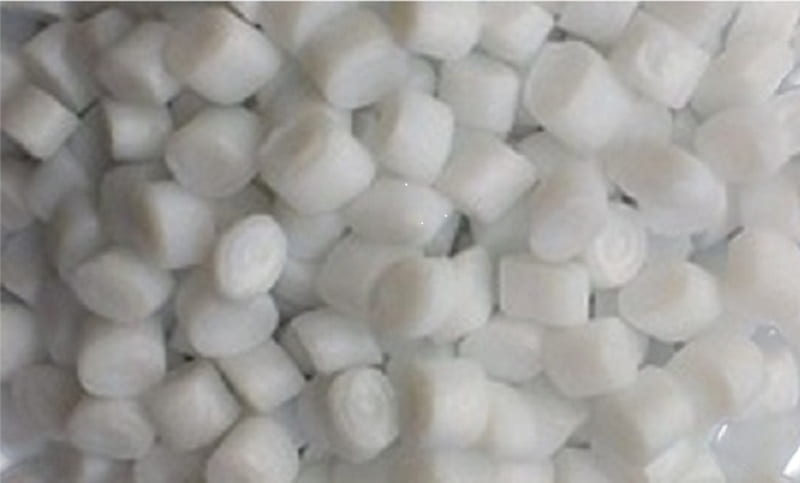
Recycled PET pellets are small resin granules made from recovered PET waste. They can be melted and processed into new packaging, sheet, film, fibre or other PET-based products.
Why is Titaneco-ECO important?
Titaneco-ECO is important because it supports the use of recycled PET in higher-value packaging applications where quality, safety and processing stability are essential.
Can recycled PET be used for food-contact packaging?
Yes, recycled PET can be used for food-contact packaging when it meets the relevant regulatory, safety and quality requirements. Documentation and traceability are essential.
Why do packaging companies prefer PET?
PET is widely used because it offers clarity, strength, light weight, processability and good barrier properties. These characteristics make it suitable for bottles, trays, labels and other packaging formats.
Is chemical recycling different from mechanical recycling?
Yes. Mechanical recycling cleans, melts and reprocesses plastic, while chemical recycling breaks plastic back toward molecular components before producing new polymer. Chemical recycling can help with waste streams that are difficult to handle mechanically.
More…