Revolutionary Low-Gloss PC/ABS Grade Transforms Automotive Cabin Interiors
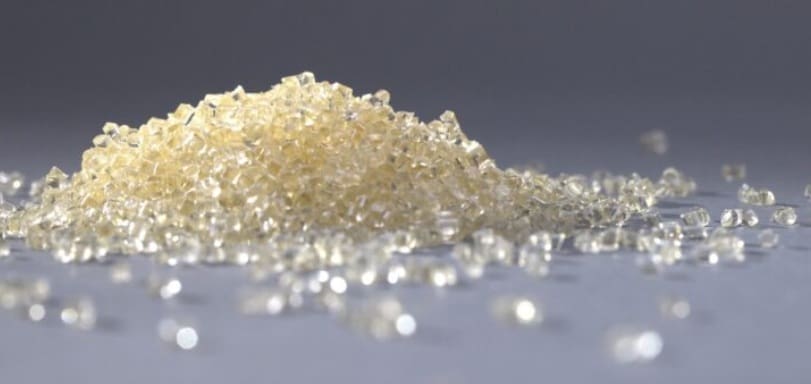
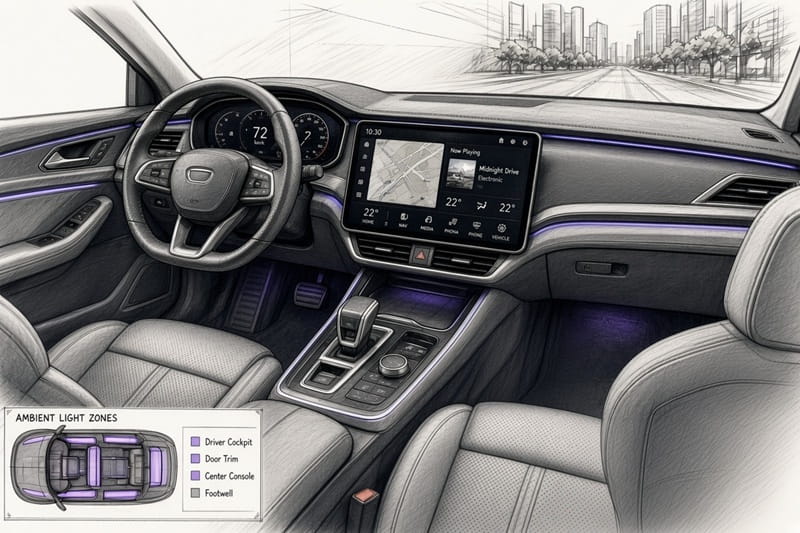
ELIX Polymers launches ELIX PC/ABS GR 5125, solving the long-standing trade-off between matte aesthetics, mechanical toughness, and low VOC emissions for automotive cockpits.

ELIX Polymers launches ELIX PC/ABS GR 5125, solving the long-standing trade-off between matte aesthetics, mechanical toughness, and low VOC emissions for automotive cockpits.
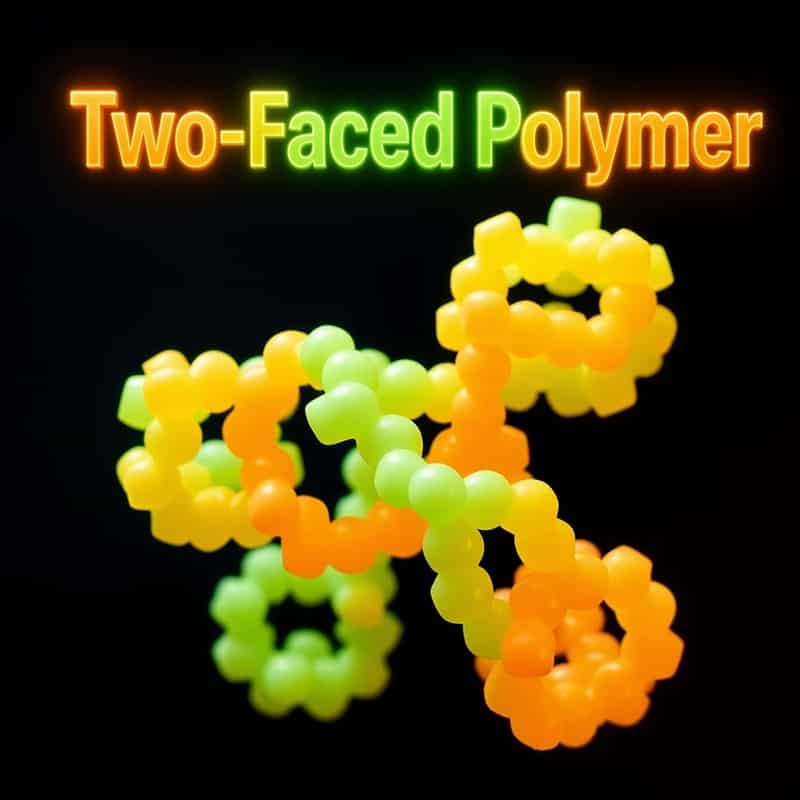
Osaka researchers created bifacial ladder polymers that self-assemble into chiral films and produce spin polarization approaching 90%.
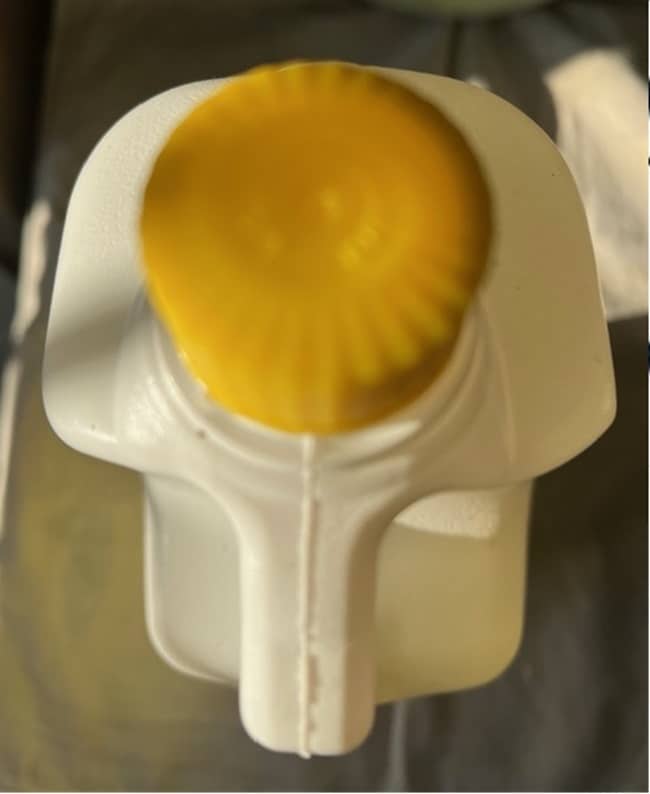
MIT engineers have developed a polyethylene-based elastic yarn designed to deliver the strength and flexibility required by stretch clothing without creating the recycling problems associated with conventional spandex blends. Tests suggest the material can be melted and respun repeatedly without a significant loss of performance.
A Chinese industrial team says its coal-processing technology can produce graphene, carbon fibers and other advanced materials. A planned demonstration project could reveal whether its performance and emissions claims hold up at commercial scale.
New composite materials for fusion reactors could dramatically improve heat resistance, efficiency, and durability, advancing the future of clean energy.
New translucent polypropylene stabilizers from Syensqo enhance durability, aesthetics, and long-term performance in modern automotive applications.
New data from Algenesis reveals that bio-based polyurethanes can cut carbon emissions by up to 65%, offering a scalable and sustainable alternative to petroleum-based plastics.
New research reveals how polyolefin recycling and material redesign can transform plastic waste into high-value resources while enabling a circular, low-carbon future.
Celanese opens its expanded Michigan Technology Center to accelerate engineered materials innovation, strengthen North American manufacturing, and enhance customer-driven product development.