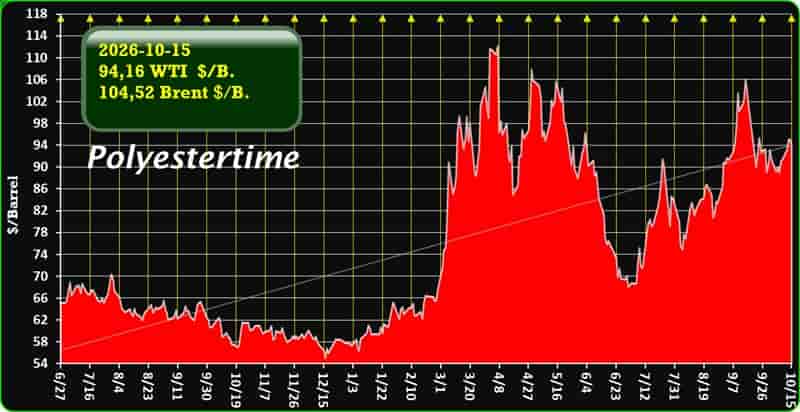
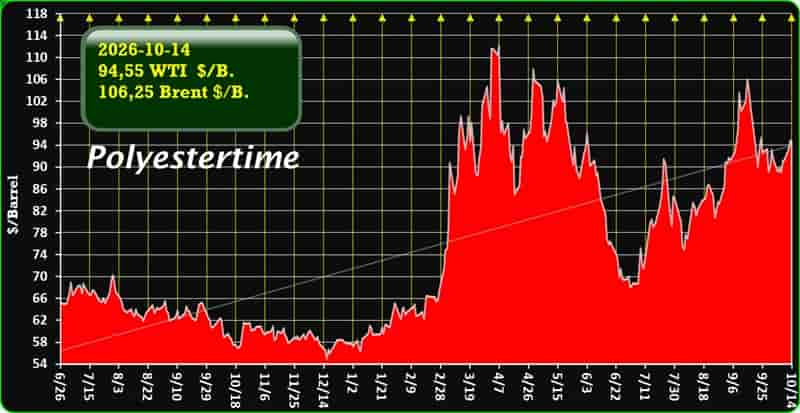
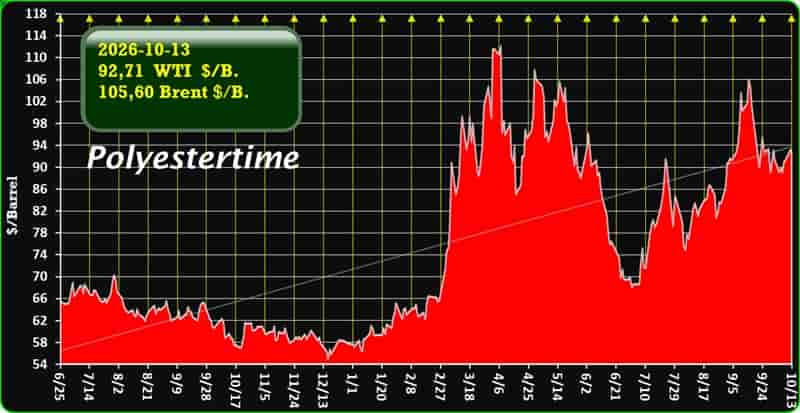
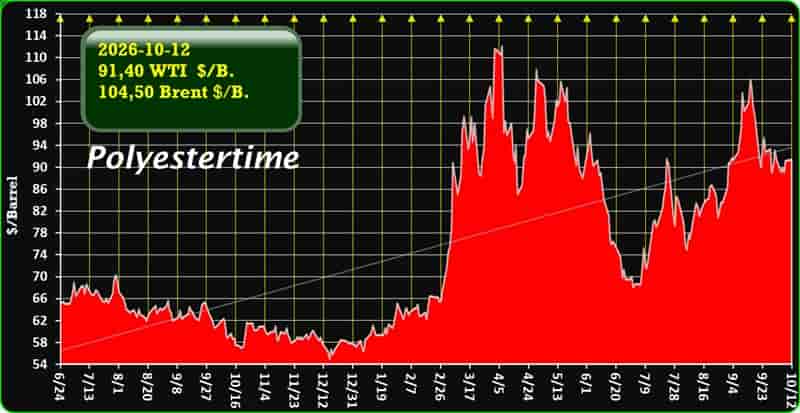
US-Iran Oil Prices: Brent Near $95 as Conflict Risk Returns
US-Iran Oil Prices: Why Brent Is Near $95 and WTI Near $91
Updated September 3, 2026
Oil markets are again pricing in a significant geopolitical risk premium as renewed fighting between the United States and Iran raises questions about energy production and shipping through the Strait of Hormuz.
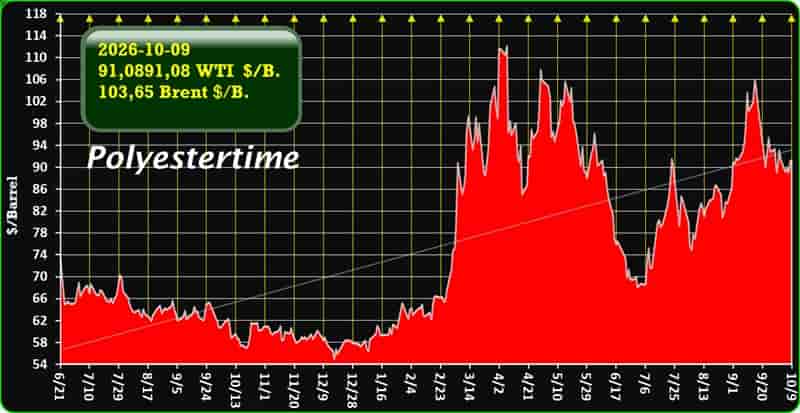
On September 3, Brent crude—the principal international oil benchmark—was trading at approximately $95.26 a barrel. West Texas Intermediate, the main US benchmark, stood near $90.84. Both prices can change quickly during the trading day.
The immediate question is whether the latest military escalation will remain limited or develop into another prolonged disruption of Gulf energy supplies.
Key facts
- Brent crude was trading near $95.26 a barrel on September 3.
- WTI crude was trading near $90.84 a barrel.
- Renewed US-Iran fighting drove prices sharply higher earlier in the week.
- Oil traders are focusing on shipping security, regional production and the Strait of Hormuz.
- Current prices are above the US Energy Information Administration’s August baseline forecast.
- A wider conflict could keep prices elevated, while credible de-escalation could remove part of the geopolitical premium.
The latest prices and market reaction were reported by the Associated Press on September 3. US-Iran oil prices
Why oil prices have risen
Oil prices do not reflect only the amount of crude available today. They also reflect expectations about future production, exports and transportation.
Renewed US strikes and Iranian retaliation have increased the perceived probability of further damage to energy infrastructure or commercial shipping. Traders therefore demand a higher price to compensate for the risk that less oil may reach world markets.
The response can be immediate even when no new shortage has been confirmed. Futures markets react to military announcements, tanker incidents and diplomatic signals long before their full effects appear in official production data.
This helps explain why US-Iran oil prices can move several dollars in a short period.
The Strait of Hormuz remains the central risk
The Strait of Hormuz connects the Persian Gulf with the Gulf of Oman and international shipping routes. It is critical not only for Iran but also for several of the world’s largest oil and gas exporters.
Earlier in the conflict, flows through the strait fell dramatically. The International Energy Agency estimated that approximately 20 million barrels a day moved through Hormuz before the war, compared with an average of only 2.7 million barrels a day during March, April and May.
The resulting disruption was partly offset by emergency stock releases, alternative pipelines, higher exports from producers outside the Gulf and lower demand. The IEA nevertheless warned that emergency inventories provide temporary relief rather than a permanent substitute for normal shipping.
The agency’s detailed assessment is available in its June analysis of the Hormuz supply shock.
Today’s market is therefore highly sensitive to any indication that tanker traffic could again become more dangerous or restricted. US-Iran oil prices
Why Brent is trading above the previous forecast
The US Energy Information Administration’s August outlook forecast an average Brent price of about $85 a barrel for the third quarter of 2026. It also projected that Brent could average $69 in 2027 if inventories rebuild and most regional production recovers.
Brent near $95 does not necessarily invalidate that longer-term forecast. It shows that conditions have changed since the forecast was completed on August 6.
The EIA outlook assumed that severe constraints on Hormuz traffic would ease and that most affected production would gradually return. Renewed fighting has introduced a fresh risk that this recovery could be delayed or reversed.
The EIA itself stresses that its projections depend heavily on conflict developments and the restoration of regional production. Its next Short-Term Energy Outlook is scheduled for September 9. The current baseline can be reviewed in the EIA’s August 2026 outlook.
What could push oil above $100?
A sustained move above $100 would become more likely if the conflict materially reduces physical supply rather than merely increasing perceived risk.
The most important upward risks include:
- A renewed restriction of commercial traffic through the Strait of Hormuz
- Confirmed attacks on tankers, export terminals, pipelines or refineries
- Additional production shutdowns in Iran or neighboring Gulf states
- Higher insurance and freight costs that discourage tanker operators
- A longer US military campaign or a wider regional confrontation
- Faster-than-expected depletion of commercial and emergency inventories
Diesel and jet-fuel markets may experience even greater pressure than crude oil because refining capacity and product availability can become constrained independently of headline oil supply. US-Iran oil prices
What could bring prices down?
Oil prices could retreat if diplomatic efforts produce a credible reduction in hostilities and commercial shipping continues without major disruption.
Other downward forces include weaker global demand, increased exports from producers outside the Gulf, restored regional production and the use of strategic or commercial inventories.
The market’s reaction to political statements should be treated cautiously. A temporary pause in attacks may reduce prices, but a durable decline would normally require evidence that shipping and production risks are genuinely receding. US-Iran oil prices
What higher oil prices mean for consumers and businesses
Expensive crude oil tends to raise refinery costs and can eventually affect gasoline, diesel and aviation fuel. The size and timing of that effect vary by country because taxes, exchange rates, inventories and refining conditions also influence retail prices.
Transportation-intensive businesses may face higher operating costs. Airlines, freight carriers, agriculture and manufacturers that depend on petrochemical inputs can be especially exposed.
For central banks, another energy shock may complicate efforts to control inflation. Higher fuel and transport costs can spread through supply chains even when demand in other parts of the economy is slowing.
Oil-producing companies and countries may receive more revenue per barrel, although the benefit can be limited if the same conflict prevents them from exporting normal volumes.
Outlook: volatility is likely to remain high
The short-term direction of US-Iran oil prices will depend less on a single political statement than on observable changes in supply and shipping.
Brent around $95 and WTI around $91 indicate that traders see a meaningful risk of renewed disruption. They do not, by themselves, prove that a lasting shortage has begun.
Readers should watch confirmed tanker movements, production figures, official notices to shipping, inventory data and diplomatic developments. Those indicators provide a stronger basis for assessing the market than unverified social-media reports.
The most plausible near-term outcome is continued volatility. Confirmed escalation could take Brent back toward or above $100, while sustained de-escalation could rapidly remove part of its geopolitical premium.
Frequently asked questions
Why is Brent more expensive than WTI?
Brent is a global seaborne benchmark and often responds more directly to disruptions affecting international trade routes. WTI primarily reflects conditions in the US market, although global events also strongly influence it. US-Iran oil prices
Has the Strait of Hormuz closed again?
The latest verified reporting establishes renewed fighting and increased concern about the strait. It does not, at the time of this update, establish another complete closure. Shipping conditions can change quickly and should be checked against current official and maritime reporting.
Will oil reach $100 a barrel?
It is possible, but not certain. A sustained move above $100 would be more likely if attacks reduce physical exports or significantly restrict Hormuz shipping. De-escalation could instead push prices lower.
Are oil prices likely to remain high?
Prices may remain elevated while traders see a substantial threat to Gulf exports. Their longer-term direction will depend on production recovery, inventories, demand and whether the conflict expands or subsides.
This article provides market analysis, not financial or investment advice.
Source and accuracy note
The article relies on:
- Associated Press reporting from September 3, 2026
- US Energy Information Administration, August 2026 outlook
- International Energy Agency analysis
Oil Prices and the Iran War: Why Brent Is Near $95