US Iran Oil Prices Soar: Brent Hits $105 and WTI Reaches $94.5 Amid Escalating Hostilities
US Iran Oil Prices Soar: Brent Hits $105 and WTI Reaches $94.5 Amid Escalating Hostilities
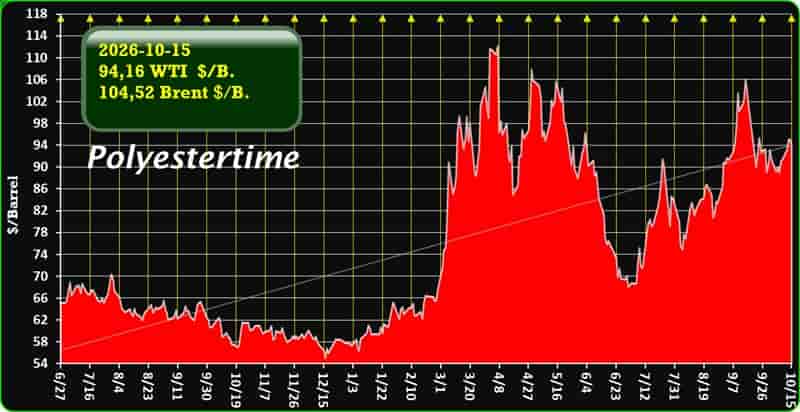
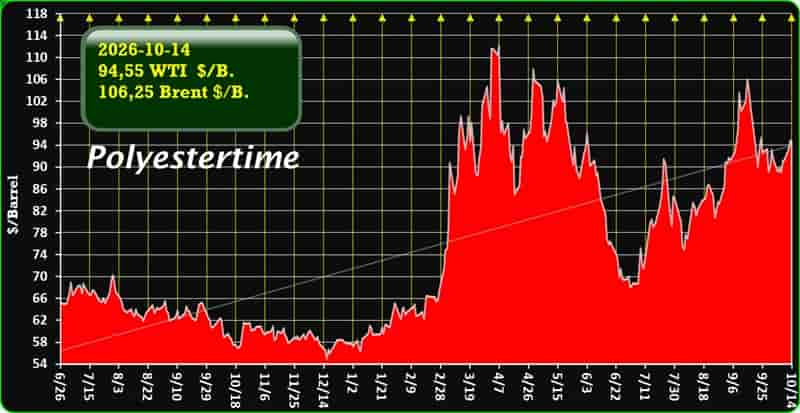
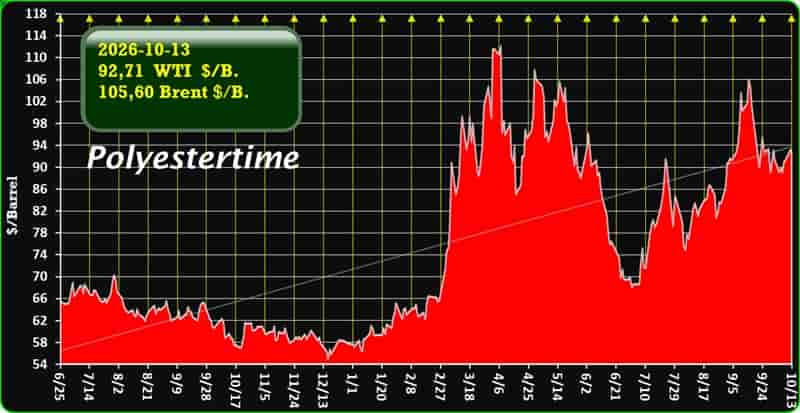
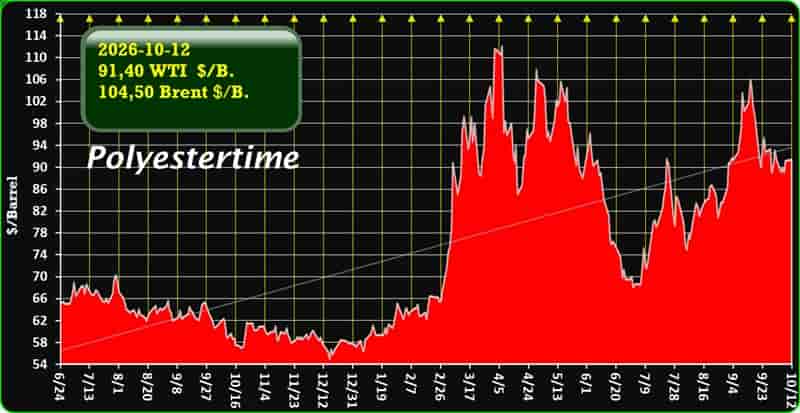
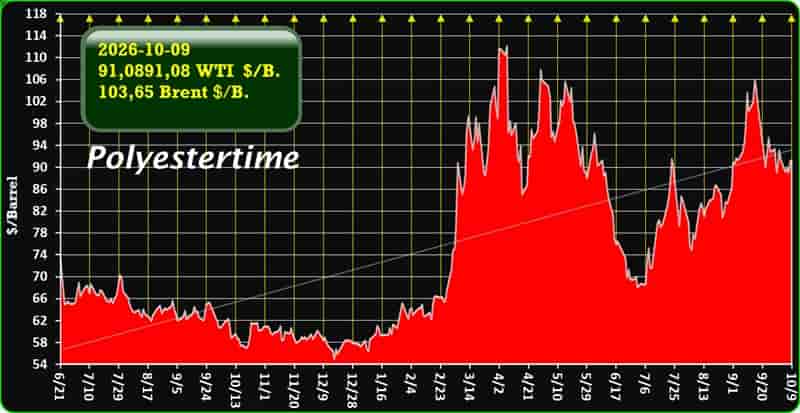
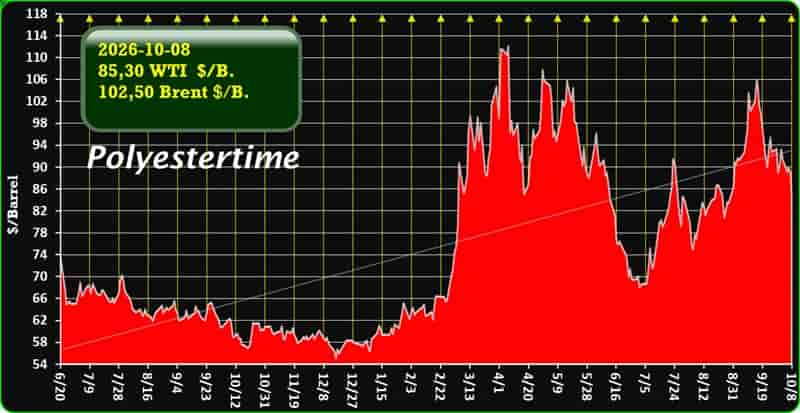
Global energy markets remain in a state of heightened alarm as military friction between the United States and Iran continues to disrupt commercial shipping routes and threaten vital crude infrastructure. International benchmark Brent crude oil is trading at approximately $105 per barrel, while West Texas Intermediate (WTI) hovers near $94.5 per barrel. This price surge reflects an expanding war-risk premium across raw commodity markets as global traders attempt to price in structural security risks. US Iran oil prices
For financial institutions, policymakers, and global supply chain managers, understanding the mechanics behind current US Iran oil prices is vital. From maritime strikes near major shipping corridors to tightening global refined fuel supplies, the current conflict is reshaping international energy logistics. US Iran oil prices
The Core Drivers Behind $105 Brent and $94.5 WTI Crude Prices
The premium across international crude benchmarks reflects deep supply security fears across key export routes. While WTI crude maintains a regional discount owing to domestic US shale production buffers and pipeline delivery systems, international purchasers dependent on Middle Eastern flows bear the direct burden of elevated maritime insurance rates and diverted tanker routes.
Primary Market Catalysts Driving Benchmark Rates
-
Strait of Hormuz Navigation Threats: Tankers and container vessels attempting to cross regional transit corridors face heightened risks from naval confrontations, missile deployments, and drone strikes.
-
Escalating Naval Deployments: Increased military presence by US naval forces alongside counter-actions by Iranian forces have altered commercial transit schedules across international waters.
-
Distillate and Refined Stock Tightness: The International Energy Agency (IEA) reports that supply strains in global diesel and middle-distillate markets remain acute, magnifying crude price moves.
-
Increased Freight and Logistics Costs: Tanker chartering rates for Persian Gulf routes have jumped significantly, forcing vessels to absorb higher operational expenses or reroute long distances.
Strait of Hormuz: The Focal Point of Global Supply Risk
The key geographical variable driving US Iran oil prices remains the Strait of Hormuz, through which roughly 20 percent of the world’s daily petroleum liquids pass. Recent reportings confirm elevated risks for commercial traffic through the waterway, prompting shipping fleets to alter routing strategies or await security escorts. US Iran oil prices
When maritime passage through Hormuz becomes volatile, standard alternative routes require vessels to circumnavigate the African continent via the Cape of Good Hope. This alternative adds thousands of additional nautical miles, extends transit durations by up to two weeks, and significantly consumes more fuel. These compound costs translate directly into elevated spot pricing for Brent crude.
The price spread between Brent ($105/B) and WTI ($94.5/B) emphasizes the distinct geographical exposure between European, Asian, and American energy markets. North American markets rely heavily on localized infrastructure, whereas European and Asian buyers face direct exposure to Middle Eastern maritime chokepoints.
Economic Implications: Inflation Dynamics and Global Central Banks
Sustained energy cost increases complicate effort by central banks to bring global inflation back within target ranges. Higher input costs for raw crude quickly feed through refineries into retail petrol, jet fuel, and heating oil prices. US Iran oil prices
According to international market assessments, persistent tight conditions in middle-distillate refining could keep freight transportation expenses elevated for an extended period. Because commercial transport fleets rely heavily on diesel, elevated fuel overheads directly filter into the end-consumer costs of agriculture, manufacturing, and retail goods.
| Commodity Benchmark | Current Trading Level | Primary Risk Catalyst | Economic Impact Area |
| Brent Crude | ~$105.00 / barrel | Middle East maritime trade routes & regional output | Global freight rates, international refining inputs, European fuel costs |
| WTI Crude | ~$94.50 / barrel | Domestic inventories & North American logistics | US refining margins, domestic gasoline pricing, domestic industrial energy |
Policy Countermeasures and Supply Strategies
To prevent energy benchmarks from testing historical record levels, sovereign governments and multilateral organizations are evaluating targeted market interventions:
-
Emergency Stock Distributions: Coordinated releases of crude stocks from Strategic Petroleum Reserves (SPR) by major consuming nations to offset localized delivery deficits.
-
Escort and Convoy Operations: Deploying international naval task forces to escort commercial crude tankers safely through high-risk transit corridors.
-
Alternative Pipeline Utilization: Maximizing bypass crude pipelines across land routes in Saudi Arabia and the UAE to transport oil directly to red sea ports, short-circuiting dangerous maritime zones.
Market analysts note that while strategic stock drawdowns offer temporary liquidity, they do not replace lost physical flow if regional hostilities persist. So long as security conditions in the Gulf remain precarious, US Iran oil prices will maintain structural support, keeping a floor under both Brent and WTI contracts. US Iran oil prices
Conclusion
The current pricing structure—anchored by $105 Brent and $94.5 WTI—demonstrates a market balancing geopolitical instability against global supply capabilities. The evolving situation surrounding US-Iran relations remains the premier driver of global commodities trading. Energy consumers, corporate logistics planners, and investors must keep a close eye on security developments in the Persian Gulf as the situation unfolds.
Oil Prices and the US-Iran War: Why Brent Is Holding Above $106
More…