Five EU Nations Demand Urgent Restrictions on Foreign Plastic Imports
EU PET import restrictions
Growing Pressure Across the European Plastics Market
European industrial manufacturing is facing significant pressure from global market dynamics. In a coordinated regulatory move, five member states of the European Union have formally submitted a legal request to the European Commission, seeking immediate safeguard measures to curb foreign imports of polyethylene terephthalate (PET).
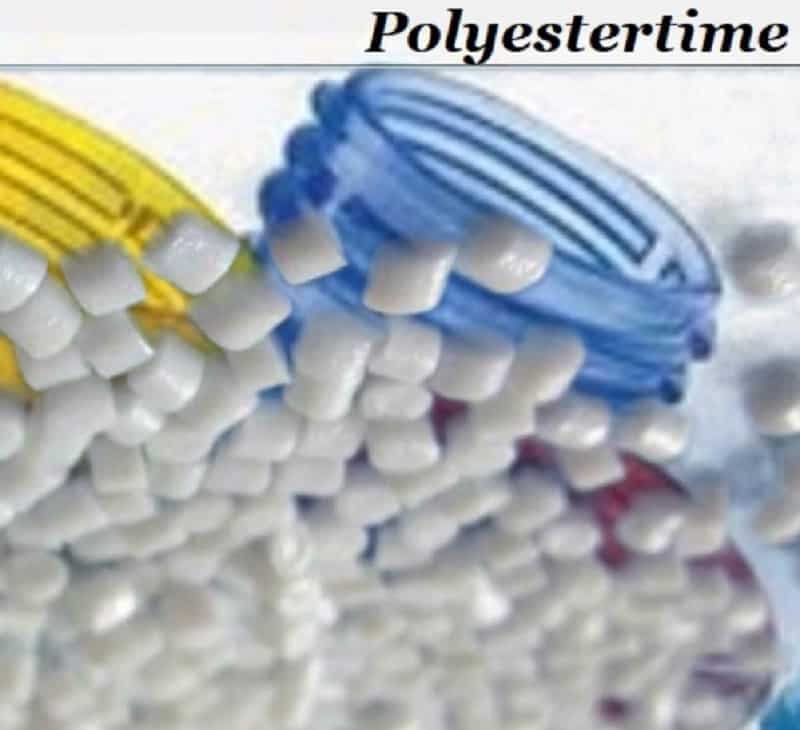
PET represents one of the most widely used thermoplastic polymers globally, serving as a core raw material for beverage bottles, thermoformed packaging, synthetic textiles, and industrial films. European producers argue that an unprecedented surge in low-cost inbound shipments is undercutting local production, putting domestic manufacturing infrastructure and long-term supply resilience at serious risk.
Understanding the Request for Emergency Safeguards
The legal petition filed by the undisclosed group of five EU nations centers on establishing protective trade mechanisms administered by the European Commission. Unlike standard regulatory duties that target specific companies or unfair pricing, safeguard measures are designed to prevent systemic injury to domestic industries caused by sudden import spikes. EU PET import restrictions
If approved following a formal investigation, these measures would introduce specific structural boundaries:
-
Country-Specific Tariff Quotas: Establishing set volume thresholds for importing countries based on historical trade baselines.
-
Out-of-Quota Tariffs: Imposing protective customs tariffs on any volume exceeding the designated quotas.
-
Automatic Import Licensing: Creating strict monitoring mechanisms to track incoming plastic shipments in real-time.
Trade lawyers confirm that the European Commission has a 30-day window to evaluate the initial filing and determine whether to launch a full-scale trade defense investigation.
Industry Dynamics and Regional Production Hubs
The European PET industry has been advocating for legislative intervention for several months, highlighting expanding trade imbalances and squeezed operating margins. The formal filing was triggered after the European Commission signaled its readiness to process the complaint.
While legal representatives have kept the specific petitioning nations confidential, the impact directly affects Europe’s primary PET resin manufacturing hubs. Countries operating major resin synthesis facilities include:
-
Belgium
-
Lithuania
-
Germany
-
Poland
-
Portugal
These production hubs maintain high regulatory compliance costs, including strict European environmental guidelines and carbon emissions monitoring. Consequently, local suppliers face structural cost disadvantages when competing directly against cheaper foreign imports produced under less stringent environmental standards. EU PET import restrictions
Evolving Trade Routes and Multilayered Supply Chains
This legal action marks a major development in the European Union’s ongoing trade defense strategy. To protect local resin manufacturers, the EU previously implemented targeted anti-dumping duties ranging between 6.6% and 24.2% on Chinese PET resin imports.
However, global supply chains quickly re-routed. Following the implementation of duties on Chinese origin material, alternate trade corridors expanded rapidly. Today, the primary exporters filling the supply gap and driving high import volumes into the European Union include:
-
Turkey
-
Vietnam
-
Egypt
Because regional trade duties previously focused on specific countries, secondary suppliers were able to step in and increase market share. Broad safeguard measures would address these supply shifts by applying overall import limits regardless of origin. EU PET import restrictions
Alignment with Broader EU Commercial Strategy
The petition to restrict PET imports aligns with a broader push by European leaders to manage record trade deficits and safeguard vital industrial sectors. With the EU’s annual goods trade deficit with China climbing to €360 billion ($402 billion), European policymakers are increasingly willing to deploy emergency trade instruments. EU PET import restrictions
This policy direction is evident across multiple sectors. For example, European negotiators recently secured a safeguard agreement limiting hybrid vehicle imports from China to 350,000 units annually. Similar protective frameworks are currently being evaluated during top-level European summits in Brussels, where leaders are defining strategies to prevent the erosion of domestic industrial capacity.
Simultaneously, the European Union is tightening controls on imported recycled materials, ensuring that secondary plastics entering the market meet strict traceability standards. By addressing both primary polymer imports and recycled content integrity, European regulators aim to build a secure, transparent, and resilient circular material economy. EU PET import restrictions
Future Outlook for Packaging Manufacturers and Procurement
As the European Commission reviews the 30-day petition, downstream packaging manufacturers, bottling brands, and industrial converters must prepare for potential supply adjustments. If safeguard quotas or tariffs are enacted, raw material pricing structures and sourcing channels will likely shift. EU PET import restrictions
Companies operating within the European packaging sector are encouraged to:
-
Audit Supply Lines: Identify exposure to non-EU PET resin imports and map alternative domestic suppliers.
-
Monitor Regulatory Deadlines: Track the European Commission’s upcoming decision on opening a formal trade defense investigation.
-
Enhance Material Traceability: Ensure all imported raw materials comply fully with evolving EU verification frameworks. EU PET import restrictions
The coming weeks will determine whether the European Union implements comprehensive import quotas to stabilize its domestic polymer industry or continues relying on market-driven trade adjustments.
European PET Bottle Prices: Market Trends and Industry Outlook
More…