US-Iran War and Oil Prices: Brent at $113 and WTI at $104 Signal Global Market Strain
US Iran oil prices
US-Iran War and Oil Prices: Brent at $113 and WTI at $104 Signal Global Market Strain
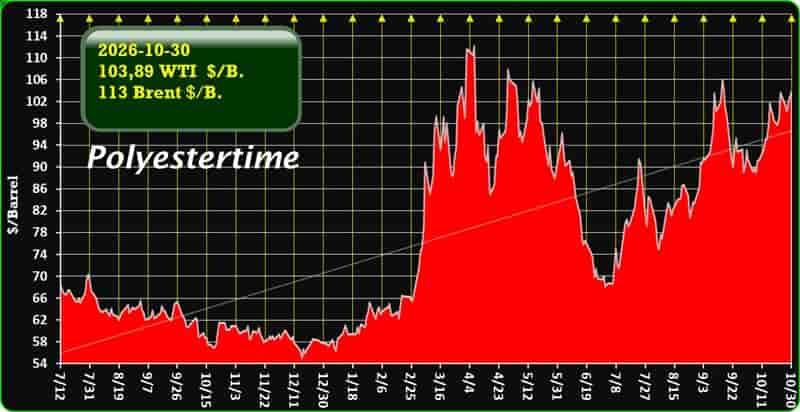
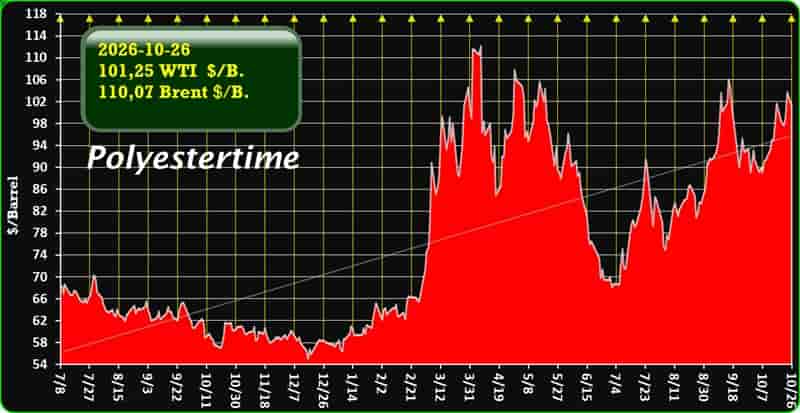
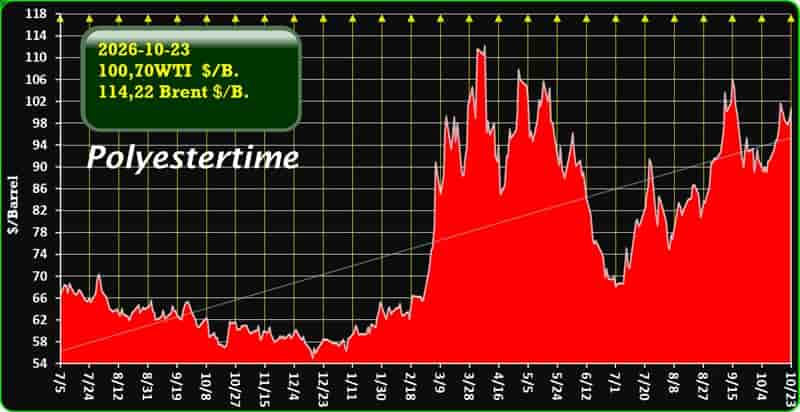
The global energy market is experiencing a severe recalibration. As military tensions surrounding the US-Iran situation maintain a persistent threat over the Middle East, international crude benchmarks have settled into elevated, volatile territory. European benchmark Brent crude is trading around $113 per barrel, while US West Texas Intermediate (WTI) hovers near $104 per barrel.
This price surge reflects more than simple market anxiety. It highlights deep-seated structural fears over potential disruptions along major maritime energy routes, particularly the Strait of Hormuz. For global markets, central banks, and everyday consumers, sustained triple-digit oil prices signal renewed inflationary pressure and complex macroeconomic hurdles ahead. US Iran oil prices
       +-------------------------------------------------------+
       |           CRUDE OIL BENCHMARK SNAPSHOT                |
       +-------------------------------------------------------+
       | Brent Crude (Global Standard) : ~$113 / barrel        |
       | WTI Crude (US Standard)        : ~$104 / barrel        |
       | Brent-WTI Spread              : ~$9 / barrel          |
       +-------------------------------------------------------+
1. Geopolitical Conflict and Supply Disruption Risks
The core driver behind current crude price dynamics is the escalating geopolitical conflict between the United States and Iran. Energy traders constantly evaluate the real-time risk of direct supply losses against diplomatic developments. US Iran oil prices
The Threat to Maritime Chokepoints
The Strait of Hormuz remains the single most critical chokepoint in global energy transit. Roughly 20% of the world’s petroleum supply passes through this narrow waterway daily. Military maneuvers, naval blockades, or targeted tanker attacks in this region risk immediately removing millions of barrels per day from the physical market. The current premium built into Brent crude directly accounts for this exposure.
Production Capacity Under Pressure
Beyond shipping logistics, energy markets are weighing the vulnerability of regional oil infrastructure. Escalating regional warfare raises the possibility of retaliatory strikes against key processing facilities, export terminals, and storage hubs across the Persian Gulf. Even brief operational outages can significantly tighten an already balance-constrained market. US Iran oil prices
2. Deciphering the Brent vs. WTI Price Spread
The price differential between Brent crude ($113/b) and WTI crude ($104/b) sits at approximately $9 per barrel. This spread offers valuable insight into how different geographic regions absorb geopolitical shocks.
-
Brent Crude ($113/B): As the primary benchmark for international seaborne crude, Brent reacts rapidly to international maritime risks, regional warfare, and global supply bottlenecks. The higher price reflects immediate supply exposure across European and Asian import markets.
-
WTI Crude ($104/B): West Texas Intermediate reflects US domestic supply dynamics. While tied to global benchmarks, WTI trades at a relative discount due to strong US domestic shale production and isolated inland supply networks. However, $104 per barrel demonstrates that American domestic markets are far from insulated from global energy shocks. US Iran oil prices
                     GEOPOLITICAL TRANSLATION

   US-Iran War Escalation        ==>   Heightened Transit Risk
            |                                    |
            v                                    v
   Brent Reaches ~$113/b         ==>   Seaborne Import Pressure
            |                                    |
            v                                    v
   WTI Follows to ~$104/b        ==>   US Domestic Price Inflation
3. Global Macroeconomic Impacts: Inflation and Growth
Triple-digit crude oil prices exert direct inflationary pressure on the global economy. Because energy forms the baseline cost for logistics, manufacturing, and agricultural inputs, sustained high prices trickle into nearly every economic sector.
Central Bank Policy Complications
Federal Reserve officials and global central bankers face a difficult dual pressure:
-
Persistent Inflation: High crude prices drive up retail gasoline, diesel, and jet fuel costs, pushing headlines inflation upward.
-
Economic Slowdown Risks: Soaring energy bills act as a direct tax on consumers and corporations, weakening discretionary spending and dampening GDP growth.
This combination raises the threat of stagflation—a scenario where economic growth stalls while inflation remains elevated. Consequently, central banks may be forced to maintain higher interest rates longer than previously anticipated. US Iran oil prices
4. Market Strategic Responses: Reserves and Production
As the US-Iran conflict persists, energy market participants and governments are implementing strategic measures to buffer supply chains:
Strategic Petroleum Reserve Releases
Governments across the International Energy Agency (IEA) framework retain the option to execute coordinated Strategic Petroleum Reserve (SPR) releases. While emergency drawdowns provide temporary liquidity to physical refineries, historic data shows SPR interventions offer short-term price relief rather than a long-term cure for structural geopolitical losses.
OPEC+ Output Policies
The OPEC+ alliance plays a crucial role in market stabilization. Market participants are closely watching whether key member nations possess both the spare capacity and political willingness to increase output quotas to offset potential Iranian supply disruptions. US Iran oil prices
5. What Lies Ahead for Energy Markets?
The outlook for US Iran oil prices hinges on geopolitical developments in the Middle East. Traders and analysts are tracking two primary scenarios moving forward:
-
Diplomatic De-escalation: Successful diplomatic containment or structured de-escalation agreements could rapidly strip out the current geopolitical risk premium. Under this scenario, Brent could retrace toward $90–$95 per barrel as physical transit fears subside.
-
Conflict Expansion: Continued military escalation or physical blockade events inside the Strait of Hormuz could push crude prices well past recent highs, testing previous historical resistance levels above $120–$130 per barrel.
For businesses and investors, navigating this period requires close monitoring of supply chain exposure, inflation hedging strategies, and dynamic risk management as global energy markets react to real-time events. US Iran oil prices
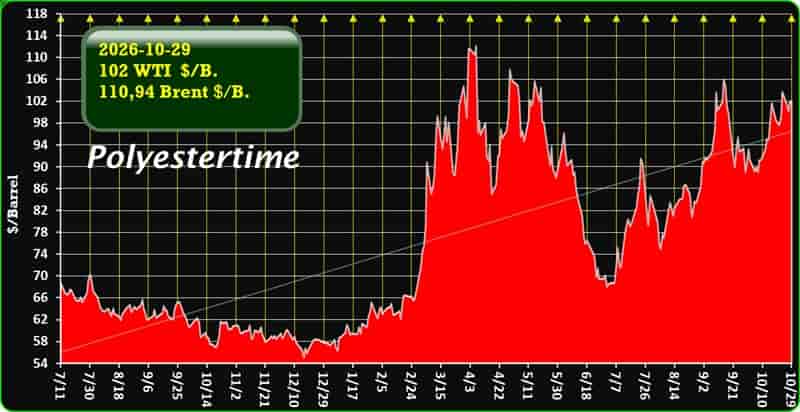
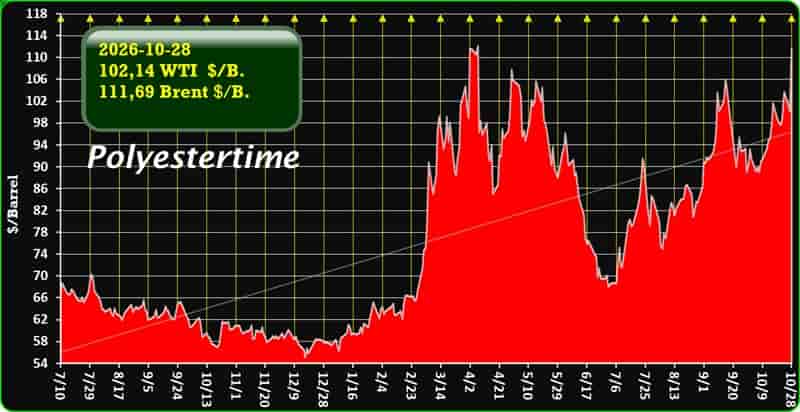
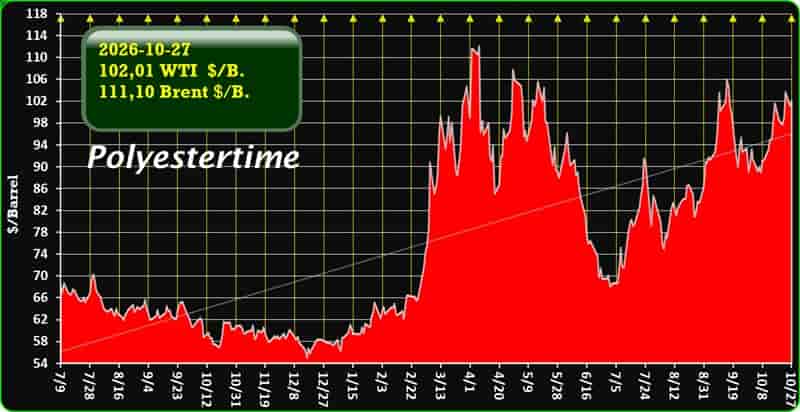
US-Iran Conflict and Global Oil Markets: Escalation Risks Push Brent to $111 and WTI to $102
More…