US-Iran War Oil Prices: Brent Holds Near $96 and WTI Around $89 Amid Hormuz Standoff
US-Iran War Oil Prices: Brent Holds Near $96 and WTI Around $89 Amid Hormuz Standoff
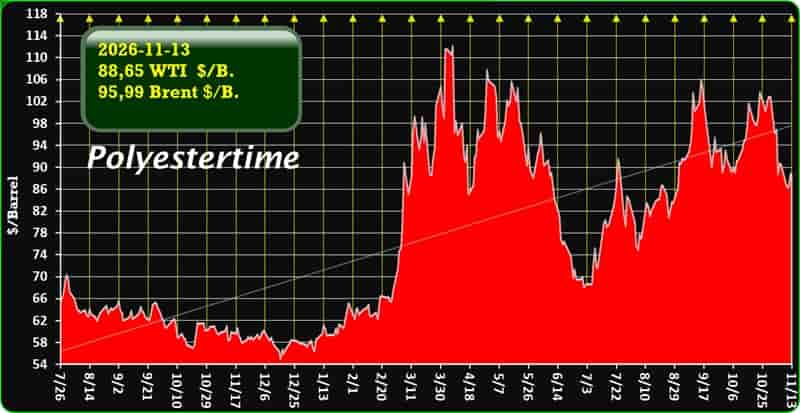
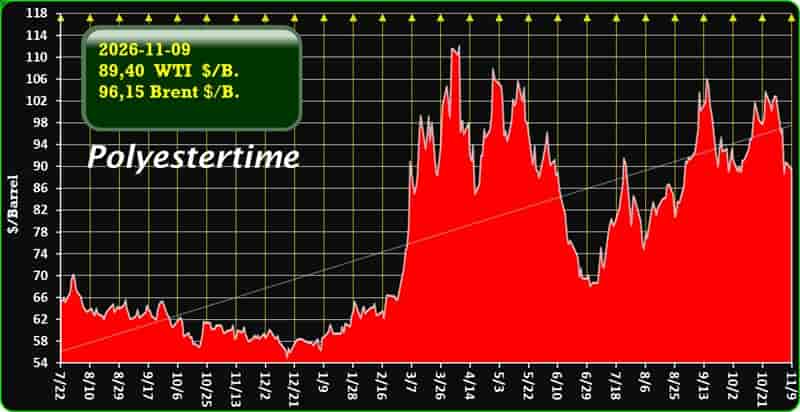
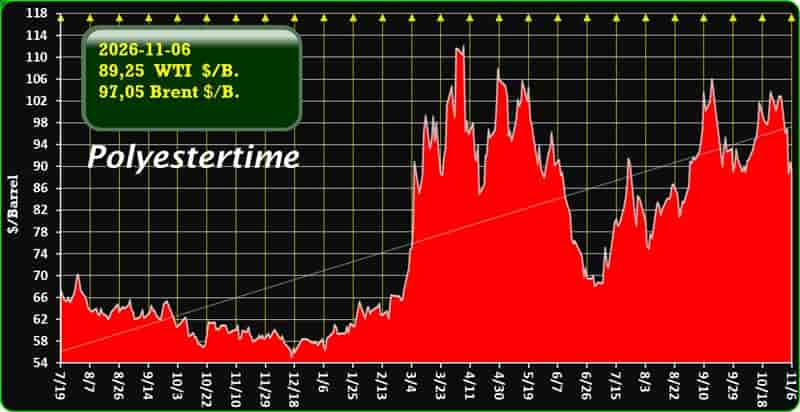
Global energy markets remain locked in a volatile tug-of-war between geopolitical risk and shifting supply dynamics. As of November 13, 2026, US-Iran war oil prices reflect a market weighing fragile diplomatic signals against ongoing maritime disruption in the Persian Gulf. International benchmark Brent crude is trading around $96 per barrel—settling near $95.82 before hovering in the mid-$95 range—while U.S. West Texas Intermediate (WTI) stands close to $89 per barrel.
Despite remaining roughly $30 higher than year-ago levels, both benchmarks are heading toward a second consecutive weekly decline of roughly 2.4% to 2.9%. Traders are actively recalibrating risk premiums as conflicting headlines emerge from Washington, Tehran, and the waters of the Strait of Hormuz. US-Iran war oil prices
Where Brent and WTI Stand Today
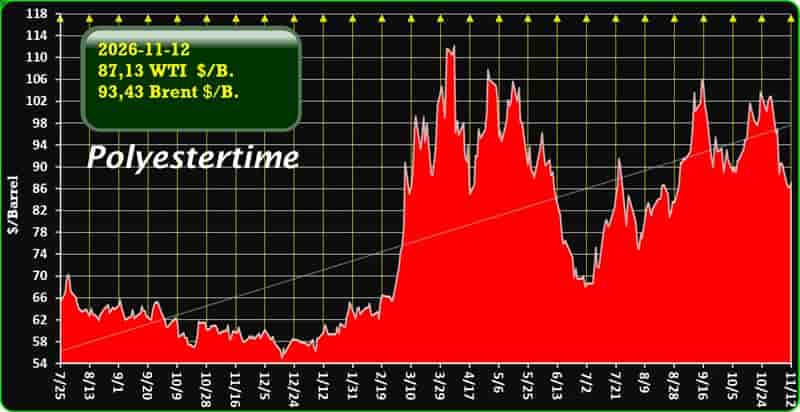
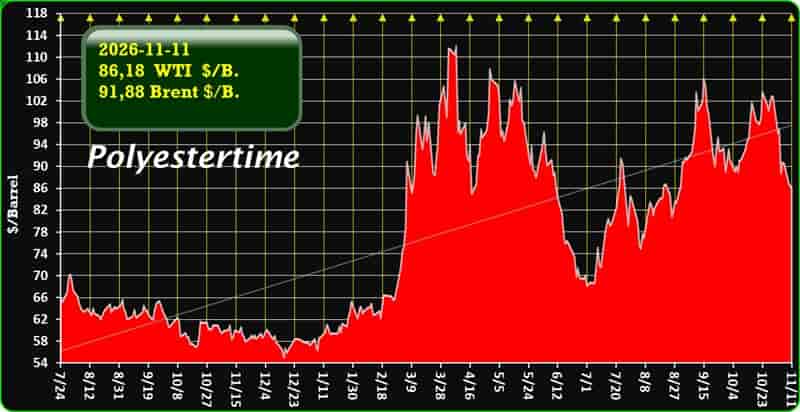
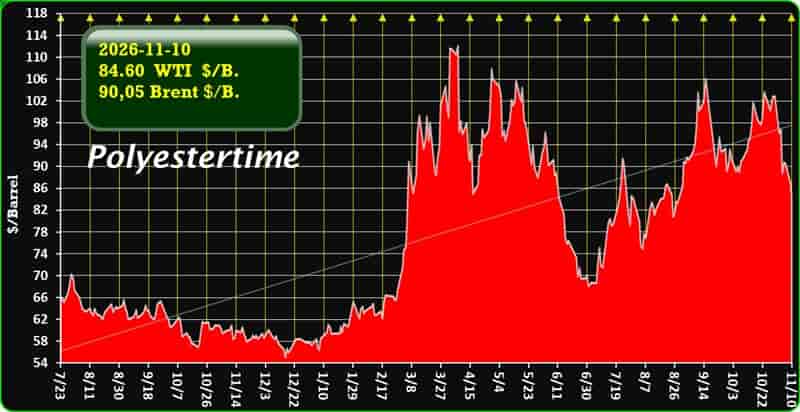
Crude oil futures experienced sharp intraday swings throughout the second week of November. Earlier in the week, Brent briefly dipped to a ten-week low near $90.18 to $91.50 per barrel, while WTI slipped toward $85 following signals of potential military restraint. However, prices rebounded by over 3% on Thursday after U.S. President Donald Trump cast doubt on the immediate prospects of a diplomatic agreement with Tehran.
The current spread between Brent and WTI sits at approximately $7 per barrel. This gap underscores how acutely seaborne international crude—represented by Brent—is exposed to Middle Eastern transit bottlenecks compared to landlocked North American supply. While Brent surged to highs near $120 per barrel earlier in the conflict during March and April 2026, the market has since settled into an elevated, headline-driven trading corridor. US-Iran war oil prices
Strait of Hormuz Tensions and the U.S. Naval Blockade
Now in its ninth month since U.S. and Israeli strikes on Iran began on February 28, 2026, the conflict continues to center on maritime control. Roughly a quarter of the world’s seaborne oil trade and a fifth of global liquefied natural gas (LNG) normally transit the Strait of Hormuz. Although partial flows have resumed via offshore ship-to-ship transfers and alternative routing, transit volumes remain below pre-war capacity, and war-risk insurance premiums stay elevated.
Two primary military pressures continue to dictate physical supply risks:
-
The U.S. Naval Blockade: Washington continues to strictly enforce its naval blockade targeting vessels entering and leaving Iranian ports. While U.S. officials maintain that the blockade applies economic leverage without requiring an immediate return to full-scale aerial bombardments, it keeps Iranian crude exports tightly constrained.
-
Renewed Maritime and Regional Strikes: Security incidents have flared again over the past 48 hours. Iran’s military reported explosions hitting four tankers in the Strait of Hormuz over Wednesday and Thursday, attributing the blasts to naval mines after vessels allegedly entered restricted zones. Separately, the UK Maritime Trade Operations (UKMTO) confirmed a commercial ship caught fire after being struck by a projectile northwest of Ras Al Khaimah. On Friday, November 13, Iran’s Revolutionary Guards also claimed a retaliatory strike against a U.S. early-warning radar site in Bahrain following reported strikes in southern Iran’s Hormozgan province.
Additionally, Houthi militia claims of targeting Saudi oil facilities and earlier drone attacks on Saudi Arabia’s East-West pipeline—a critical overland bypass for Red Sea exports—remind traders that regional energy infrastructure remains vulnerable. US-Iran war oil prices
Why Oil Prices Are Capped Despite Geopolitical Flashpoints
Ordinarily, tanker explosions and military strikes in the Persian Gulf would trigger a runaway rally. Instead, US-Iran war oil prices have faced persistent downward resistance near the $96 Brent mark. Several counterbalancing market forces explain why crude has not returned to its spring highs:
-
Rising U.S. Crude Inventories: Data from the U.S. Energy Information Administration (EIA) for the week ending November 6 revealed an unexpected build of roughly 4.7 million barrels in U.S. commercial crude stocks—the largest weekly increase since August, reversing five straight weeks of draws.
-
Expectations Against All-Out Escalation: Market participants currently view the U.S. strategy as favoring sustained naval containment over a massive new bombing campaign. Reports that Gulf allies have urged Washington to avoid wider regional escalation, paired with ongoing Qatari mediation efforts, have tempered worst-case supply disruption scenarios.
-
Broader Supply Adjustments: Recovering exports from non-blockaded regional producers and steady output adjustments elsewhere have helped cushion the global balance sheet against missing Iranian barrels.
What Traders and Consumers Should Watch Next
For energy buyers, airlines, and global economies, the trajectory of crude over the coming weeks hinges on diplomatic breakthroughs versus maritime attrition. Qatari mediators have floated a phased, confidence-building framework involving a temporary pause in the port blockade, International Atomic Energy Agency (IAEA) nuclear inspections, and a modified reopening arrangement for the Strait of Hormuz. However, deep disagreements over Iran’s uranium enrichment stockpile and Tehran’s preconditions for talks keep negotiations stalled.
Until a verifiable maritime security agreement is reached, Brent near $96 and WTI around $89 represent a structural geopolitical floor. Any disruption to Saudi overland pipelines or an escalation in tanker attacks could rapidly push Brent back toward triple digits, whereas a formal diplomatic framework would likely unwind the remaining $15 to $20 war premium built into global crude prices.
Navigating the Crosswinds: How the US-Iran War Is Shaping Oil Prices Today
More…