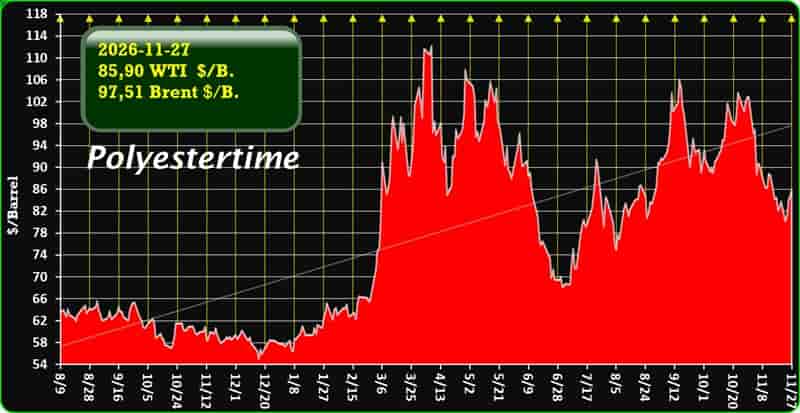
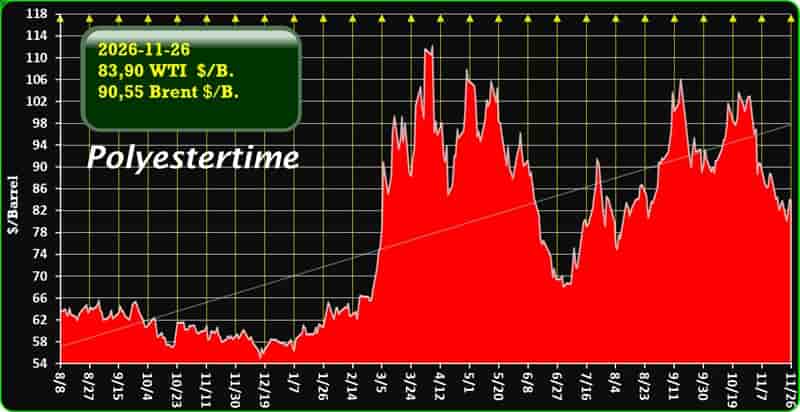
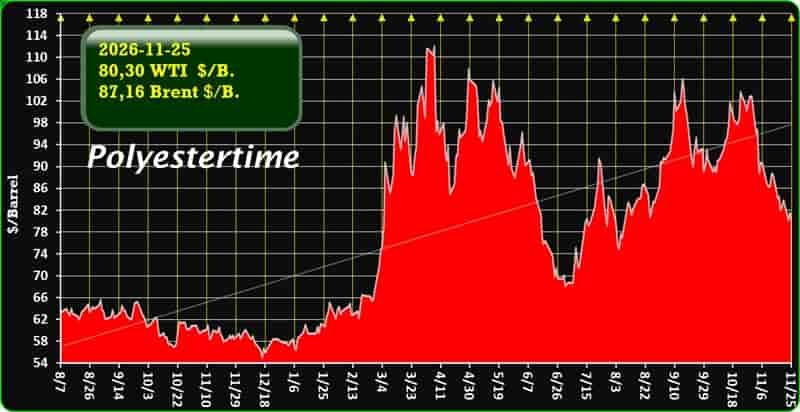
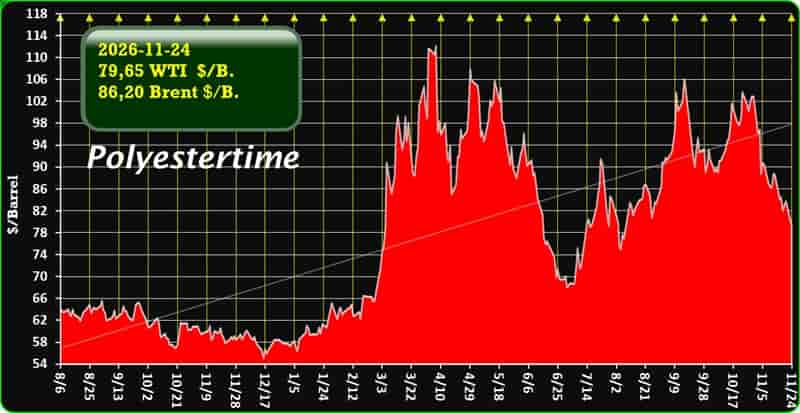
US Iran War Oil Prices: Why Brent Holds Near $96 and WTI Near $86
US Iran War Oil Prices: Why Brent Holds Near $96 and WTI Near $86
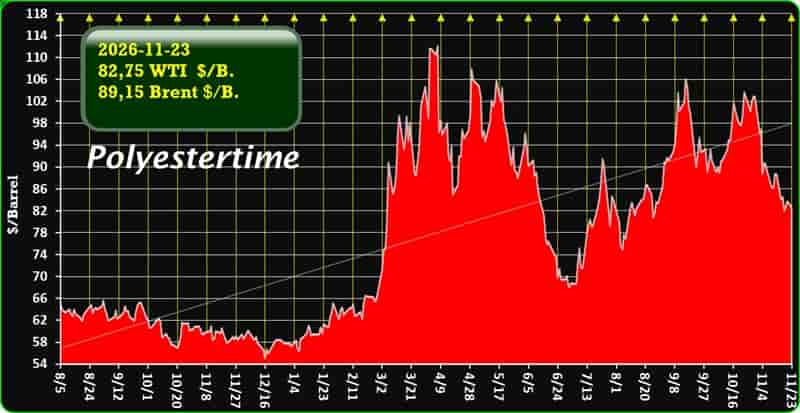
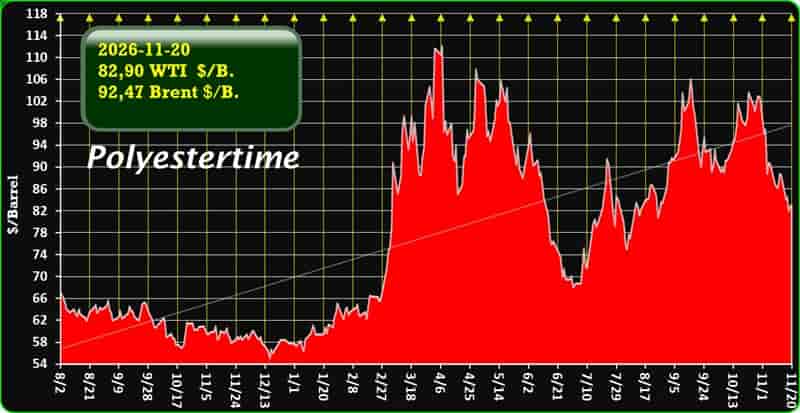
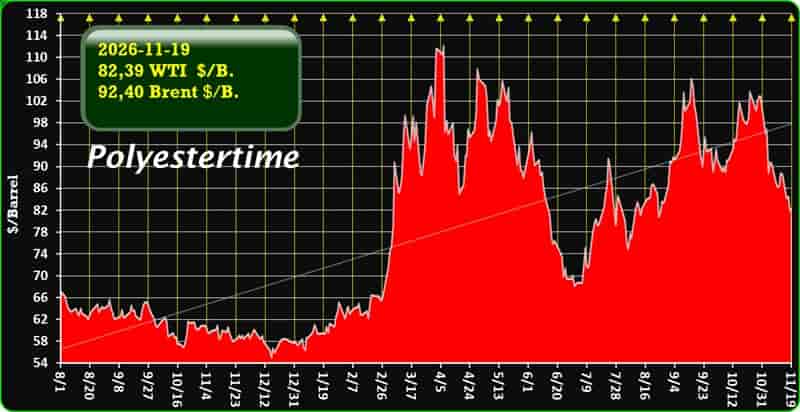
Global energy markets are navigating severe geopolitical turbulence as the conflict between the United States and Iran continues to disrupt vital maritime chokepoints. Following weeks of volatile trading, Brent crude is holding steady at roughly $96 per barrel, while U.S. West Texas Intermediate (WTI) trades near $86 per barrel. US Iran war oil prices
This persistent $10 spread between the two global benchmarks highlights how differently international seaborne crude and landlocked North American supplies are reacting to the crisis. While diplomatic pauses have occasionally cooled market panic, fresh attacks on commercial shipping and energy infrastructure have prevented prices from returning to pre-war norms.
Fresh Escalations in the Strait of Hormuz
Oil prices snapped a three-week downward trend this week following renewed security incidents across the Persian Gulf and Arabian Peninsula. Reports that commercial tankers struck naval mines in the Strait of Hormuz immediately injected a fresh geopolitical risk premium back into crude futures.
Simultaneously, Yemen’s Iran-aligned Houthi forces claimed responsibility for targeting major Saudi oil infrastructure, forcing temporary operational halts and casualties at Saudi Aramco’s Jazan refinery. Before the outbreak of hostilities earlier in 2026, roughly 20 percent of globally traded petroleum and liquefied natural gas transited the Strait of Hormuz. Even brief disruptions or heightened mine-clearing alerts force maritime insurers to hike war-risk premiums, directly inflating the landed cost of Brent-linked barrels. US Iran war oil prices
Diplomacy Versus Naval Blockades
Behind the daily price swings lies a complex geopolitical standoff between Washington and Tehran. U.S. President Donald Trump recently indicated that major new military escalations could be deferred until after the New Year to give diplomatic channels room to operate. However, an active U.S. naval blockade continues to restrict Iranian maritime exports, placing severe strain on Tehran’s state finances.
Iranian officials have attempted to bypass maritime restrictions using overland trade corridors, though regional economists note these routes cannot replace lost seaborne revenue. Meanwhile, trilateral discussions involving Washington, Beijing, and Moscow have left market observers uncertain about whether major powers will broker a lasting ceasefire or allow low-intensity maritime attrition to drag into 2027. US Iran war oil prices
The wide price gap between Brent at $96 and WTI at $86 reflects a fundamental geographic divergence in global supply chains:
-
Seaborne Vulnerability: Brent prices waterborne crude from the North Sea and serves as the pricing mechanism for Middle Eastern, African, and European barrels. Because Asian and European refiners depend heavily on Gulf shipments, Brent reacts violently to Strait of Hormuz transit bottlenecks.
-
North American Insulation: WTI is priced at Cushing, Oklahoma, insulated from Middle Eastern naval blockades by robust domestic U.S. production and rising output from Canada, Brazil, and Guyana.
-
Refining and Freight Bottlenecks: High tanker rates and elevated war-risk insurance make exporting U.S. crude to Europe and Asia more expensive, trapping excess supply in North America and keeping WTI discounted relative to Brent. US Iran war oil prices
Supply Surpluses and the OPEC+ Dilemma
Despite ongoing military risks, crude prices remain well below their October peaks—when Brent briefly surged past $110 per barrel—because physical supply outside the Middle East remains abundant. According to data from the International Energy Agency (IEA) and market intelligence firm Kpler, Persian Gulf exports have partially recovered to roughly 74 to 75 percent of pre-war volumes as shippers adapt to new convoy routes.
At the same time, the IEA projects a structural global oil surplus averaging several million barrels per day due to slowing demand growth and rising non-OPEC output. This creates a major policy dilemma ahead of the upcoming OPEC+ ministerial meeting:
-
Risk of Over-Tightening: If OPEC+ deepens production cuts to counteract the projected surplus, any sudden closure of the Strait of Hormuz could trigger a severe price spike above $100 per barrel.
-
Market Share Pressures: Several North Asian refiners have already begun diversifying their 2027 term contracts away from the Middle East toward Atlantic Basin suppliers. Key Gulf producers are reluctant to surrender additional market share by cutting output further. US Iran war oil prices
Economic Fallout for Consumers and Industry
Sustained oil prices in the $86 to $96 range continue to ripple through the broader global economy. While gasoline prices have eased from their autumn highs, distillate markets remain tight. European diesel futures, though down from their September peaks, remain nearly double their levels from the start of 2026. Because diesel powers freight transport, heavy industry, and agricultural machinery, elevated fuel costs continue to pressure global supply chains and keep core inflation sticky. US Iran war oil prices
Central banks across Europe, Asia, and North America face limited room to aggressively cut interest rates while energy-driven inflation risks linger. For energy-importing developing economies, the combination of expensive dollar-denominated crude and a firm U.S. dollar has tightened fiscal budgets and slowed industrial activity.
Outlook for Global Oil Markets
Looking ahead, crude markets remain finely balanced between structural oversupply and acute geopolitical tail risks. If diplomatic talks gain traction and maritime traffic through the Persian Gulf stabilizes, analysts expect rising global inventories to gradually pull Brent back toward the $90 support level. Conversely, any direct confrontation that halts tanker transits or damages major export terminals could swiftly push Brent back into triple-digit territory. US Iran war oil prices
US-Iran War Oil Prices: Brent Holds $91 as Supply Shifts
More…