US-Iran War Oil Prices: Why Brent Trades Near $87 and WTI Around $80
US-Iran War Oil Prices: Why Brent Trades Near $87 and WTI Around $80
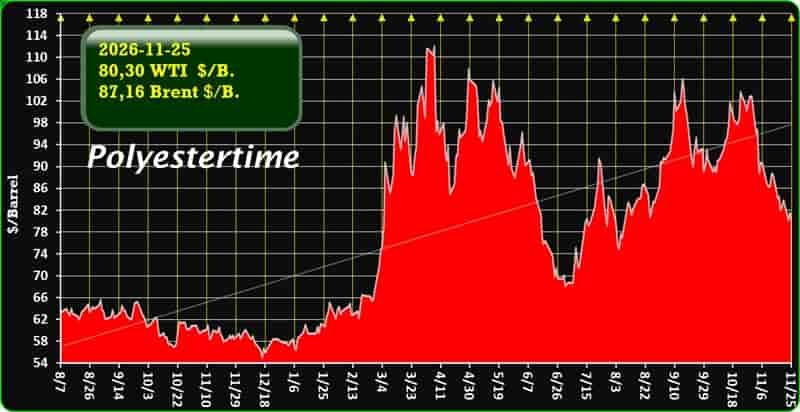
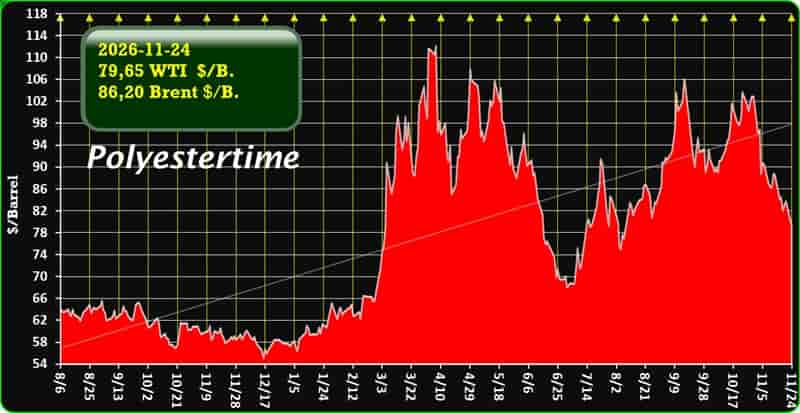
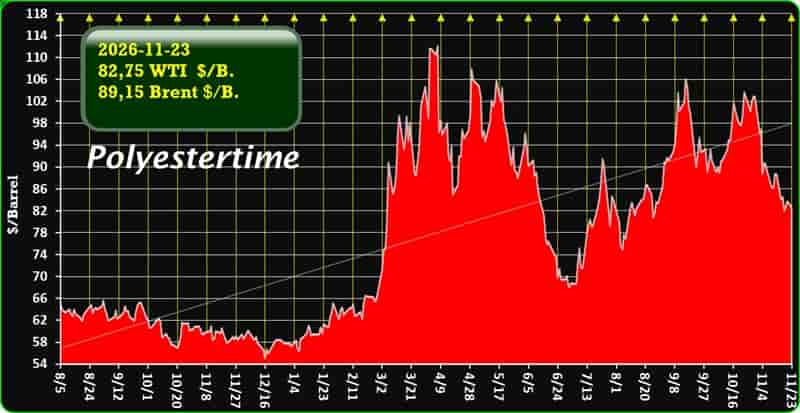
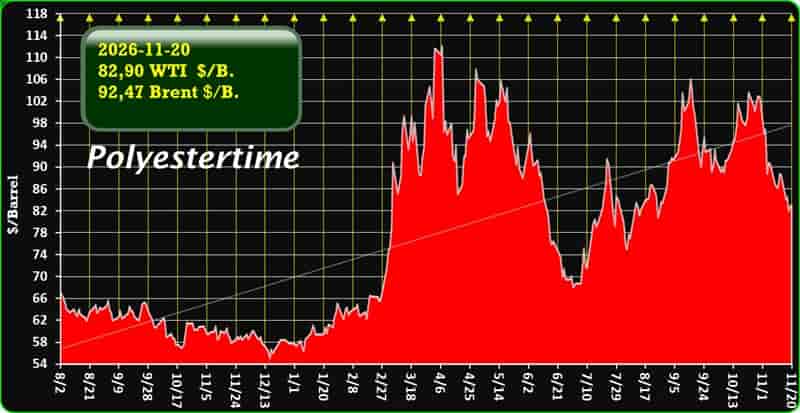
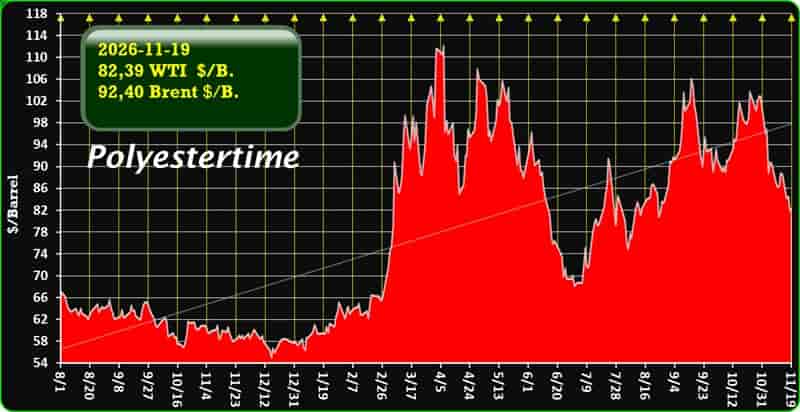
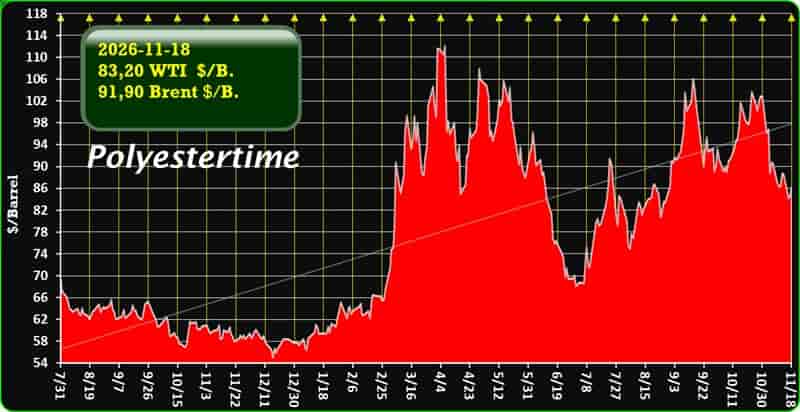
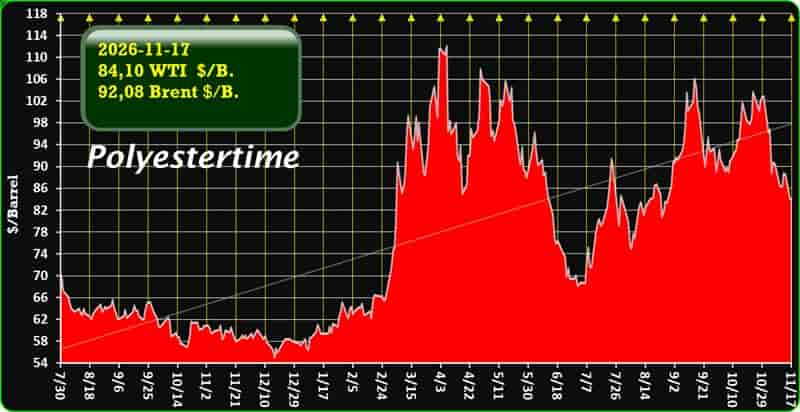
Global crude oil markets are navigating a volatile tug-of-war between active military escalation in the Middle East and mounting signs of a worldwide supply surplus. Despite ongoing hostilities in the US-Iran war and dangerous shipping disruptions in the Persian Gulf, benchmark crude prices have retreated sharply from their October 2026 highs. Brent crude is currently trading near $87 per barrel, while US West Texas Intermediate (WTI) hovers around $80 per barrel.
For investors, energy analysts, and everyday consumers, this price action appears counterintuitive on the surface. Historically, open conflict involving a major Gulf producer triggers sustained price spikes. However, today’s market reflects a complex interplay of resilient physical oil flows, diplomatic maneuvering, rising North American inventories, and softening global demand. US-Iran war oil prices
Current Market Snapshot: Brent vs. WTI
The divergence between international and American crude benchmarks highlights how differently regional supply dynamics respond to geopolitical shocks.
-
Brent Crude (~$87 per barrel): Down significantly from its late-October peak above $117, Brent remains the primary barometer for seaborne geopolitical risk. Its roughly $7 premium over WTI reflects ongoing transit hazards in Middle Eastern waterways and higher marine insurance costs.
-
WTI Crude (~$80 per barrel): Anchored by strong domestic production and steady inventory builds in the United States, WTI has insulated North American markets somewhat from international shipping bottlenecks. US-Iran war oil prices
Why Oil Prices Have Pulled Back Despite the US-Iran War
In late October 2026, fears of a total blockade of Middle Eastern crude drove Brent past $117 per barrel. Over the past several weeks, however, four primary forces have cooled the rally and pulled prices back toward the $80 to $87 range.
1. Resilient Persian Gulf Exports
While military strikes and naval hazards continue to threaten regional infrastructure, physical crude exports have proven far more adaptable than traders initially feared. Industry data indicates that Persian Gulf crude exports have rebounded to roughly 74 percent of their prewar levels. Because barrels are still reaching global refineries, panic buying has subsided. US-Iran war oil prices
2. Looming Global Supply Surplus
The International Energy Agency (IEA) projects a notable global oil market surplus for the fourth quarter of 2026. Non-OPEC production growth—led by the United States, Brazil, and Guyana—combined with conflict-related demand destruction in energy-importing nations, is shifting the market balance. In futures markets, the collapse of steep backwardation toward contango signals that traders expect looser supplies rather than immediate shortages. US-Iran war oil prices
3. Rising US Inventories and a Firm Dollar
Weekly reports from the American Petroleum Institute (API) and the US Energy Information Administration (EIA) point to consecutive builds in American crude stockpiles ahead of winter. At the same time, a firm US Dollar Index makes dollar-denominated oil more expensive for buyers holding other currencies, naturally capping upward price momentum.
4. Tentative Diplomatic Signals
Markets are closely tracking diplomatic channels between Washington and Tehran. While significant political gaps remain, indications from the White House that diplomatic negotiations will continue through the end of the year—before any reassessment of broader escalation after the New Year—have prompted traders to unwind some of their most extreme war-risk positions. US-Iran war oil prices
The Strait of Hormuz Risk Premium
Even with prices stabilizing near $87 for Brent and $80 for WTI, geopolitical risk has not vanished. Roughly one-fifth of the world’s petroleum liquids pass through the Strait of Hormuz, making it the single most critical chokepoint in global energy.
Recent incidents involving oil tankers striking naval mines and targeted strikes on regional energy infrastructure demonstrate that the conflict remains active and unpredictable. War-risk insurance premiums for vessels transiting the Persian Gulf remain elevated, and major shipping companies continue to reroute or delay cargoes whenever security alerts escalate. As a result, a persistent geopolitical risk premium of roughly $8 to $12 per barrel remains baked into current crude valuations, preventing prices from falling even further on supply-surplus fundamentals alone. US-Iran war oil prices
Key Factors to Watch Heading Into 2027
Market participants are focused on three catalysts that will determine whether Brent breaks below $85 or surges back toward $100:
-
Military Escalation vs. Ceasefire Progress: Any direct closure of the Strait of Hormuz or major damage to export terminals would immediately erase the current surplus narrative and send Brent spiking back above $100 per barrel. Conversely, a formal ceasefire framework could push WTI toward the mid-$70s.
-
OPEC+ Output Decisions: Producer alliances face a delicate balancing act. If prices slide much lower, OPEC+ members may delay planned production increases or deepen voluntary cuts to defend fiscal breakeven levels.
-
Global Macroeconomic Demand: Manufacturing data from China and Europe, alongside central bank interest rate decisions, will dictate whether global fuel consumption can absorb rising inventories in early 2027. US-Iran war oil prices
Frequently Asked Questions
Why is Brent crude more expensive than WTI right now? Brent is a seaborne crude benchmark tied directly to international maritime trade, making it far more sensitive to Middle East conflict and Strait of Hormuz shipping risks than landlocked US WTI crude.
Could oil prices return to $100 per barrel? Yes. While rising inventories and Gulf export resilience currently keep Brent near $87 and WTI near $80, any severe disruption to Strait of Hormuz tanker traffic or collapse in diplomatic talks could rapidly trigger a price spike.
How do current oil prices affect consumers?The pullback from October’s $117 Brent peak has eased wholesale fuel costs, helping retail gasoline prices retreat from recent highs, though elevated shipping and refining costs keep pump prices above pre-conflict averages. US-Iran war oil prices
Oil Prices Slide to Three-Month Lows Amid US-Iran War Diplomacy and Supply Rebound
More…