Shock Closure: Leuna Polyamid Collapses After Failed Rescue Attempt
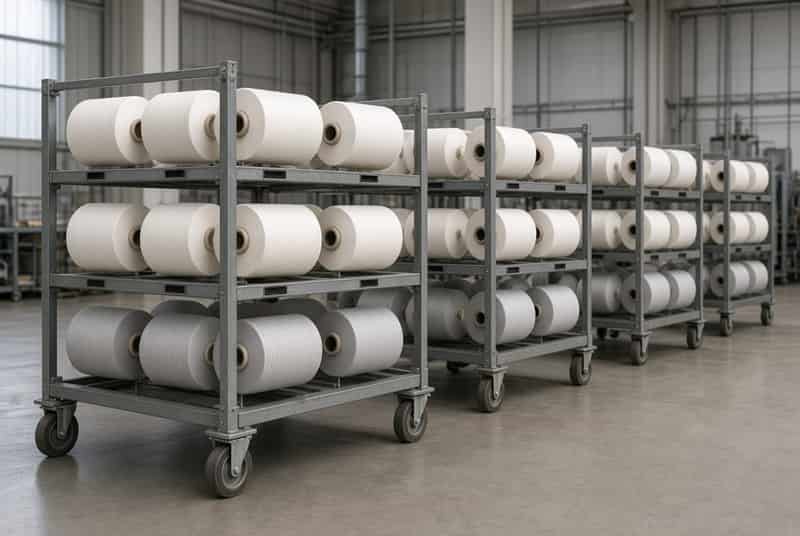
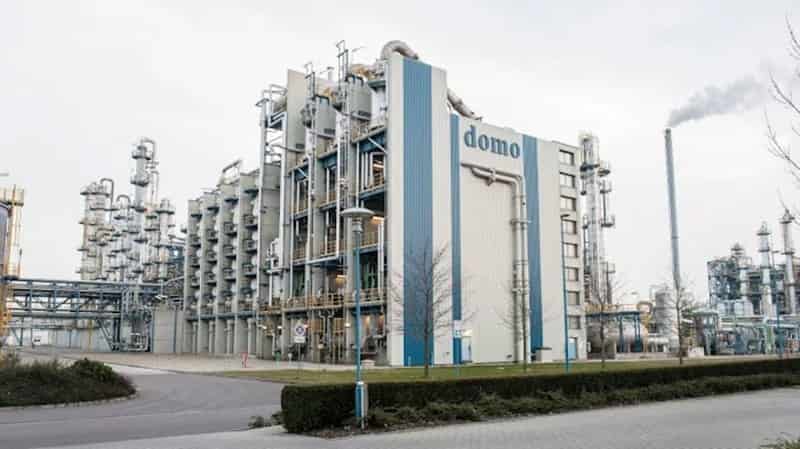
The collapse of Leuna Polyamid GmbH marks the tragic end of a historic German chemical hub rescue, putting 440 jobs at risk as operations close permanently.

The collapse of Leuna Polyamid GmbH marks the tragic end of a historic German chemical hub rescue, putting 440 jobs at risk as operations close permanently.
The Asian Development Bank secures a $50M loan for Modern Syntex to quadruple Bangladesh’s energy-efficient polyester chip production capacity in Chattogram
Emerging markets are shifting global commerce. Discover how BRICS trade opportunities empower companies to expand cross-border investments and build resilient international supply chains.
Discover how the U.S. plastics industry impact drives over 1 million domestic jobs and $533 billion in shipments while outpacing national manufacturing growth.
Despite a brief uptake in nominal sales during the first half of 2026, the European chemical sector remains trapped in a structural competitiveness crisis driven by high energy costs, low capacity utilization, and severe global oversupply.
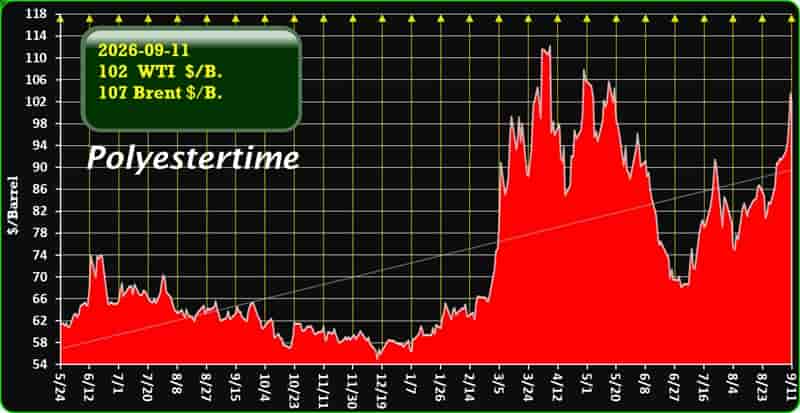
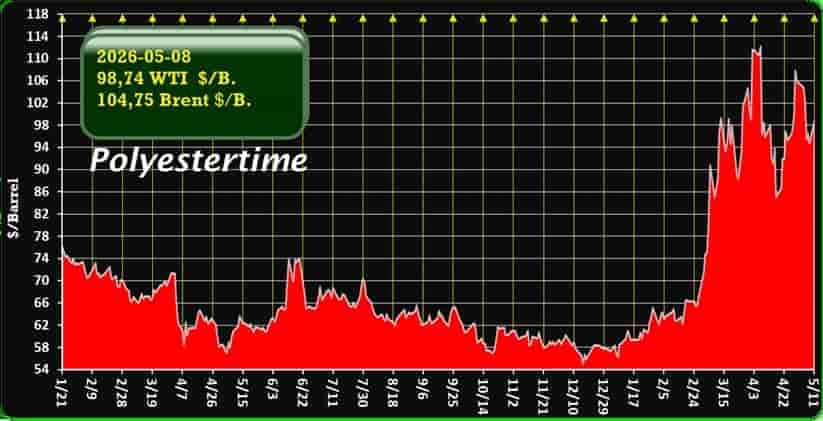
Escalating military tensions between the US and Iran have pushed Brent above $107/B and WTI past $102/B, sparking intense global energy supply concerns.
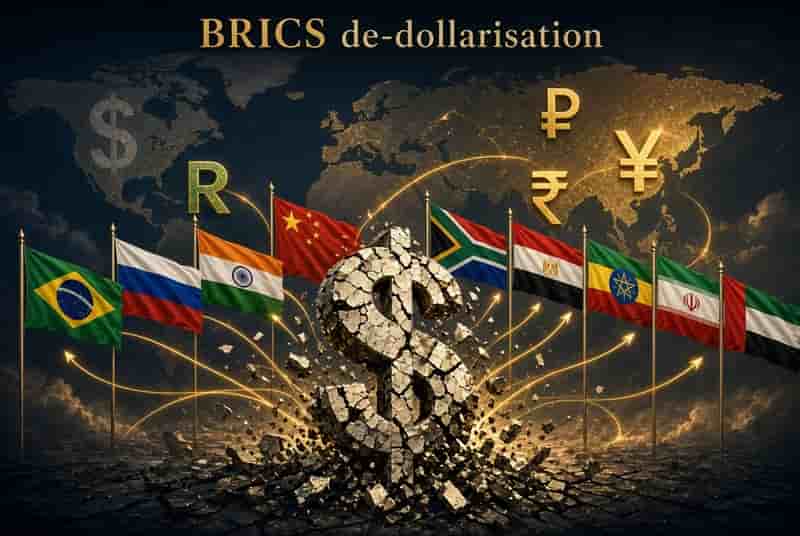
Russia says sanctions and financial restrictions are accelerating BRICS de-dollarisation, while India focuses on practical payment systems, balanced trade and people-centred cooperation.
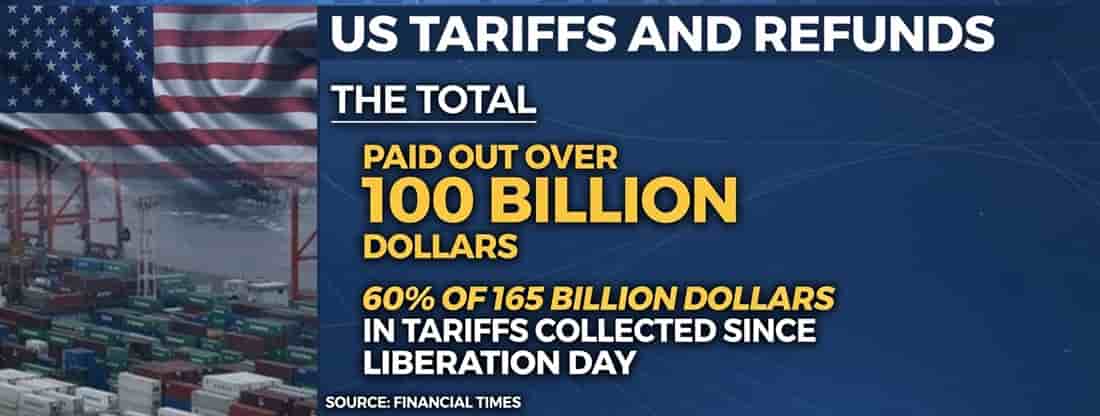
US tariff refunds have reached about $100 billion after courts rejected Trump’s use of emergency powers. Here is who can claim and what comes next.
President Donald Trump’s rejection of Iran’s counterproposal to a U.S.-backed peace plan has intensified global concerns over the ongoing Middle East conflict. With tensions escalating and the Strait of Hormuz still disrupted, oil prices have surged above $100 per barrel, raising fears of inflation, economic instability, and wider geopolitical fallout.