US Iran Oil Prices: Ultimate Insights into the Surging Market
US Iran Oil Prices: Ultimate Insights into the Surging Market
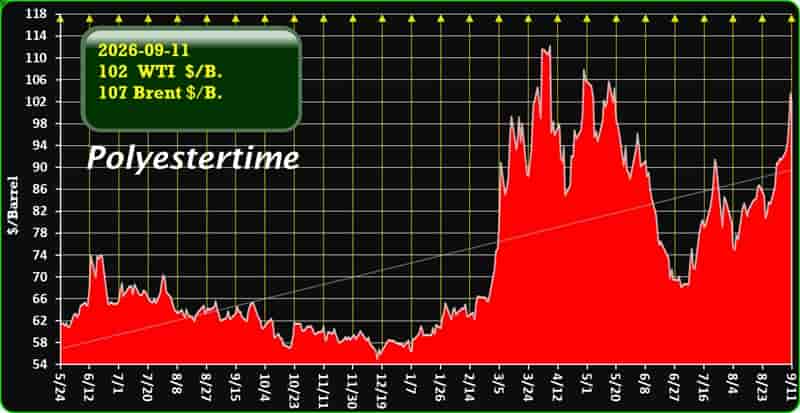
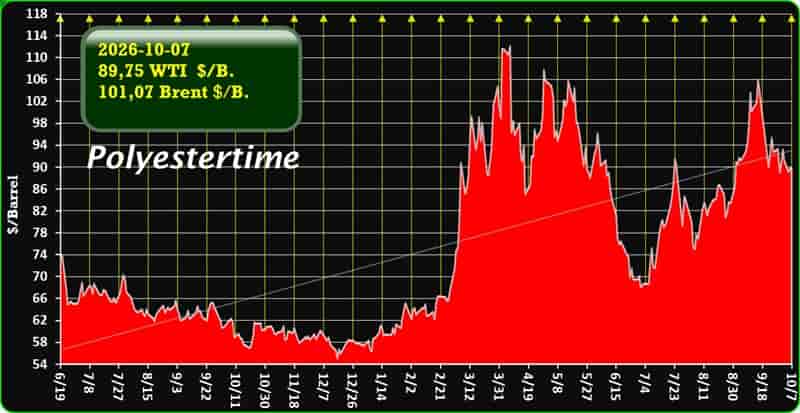
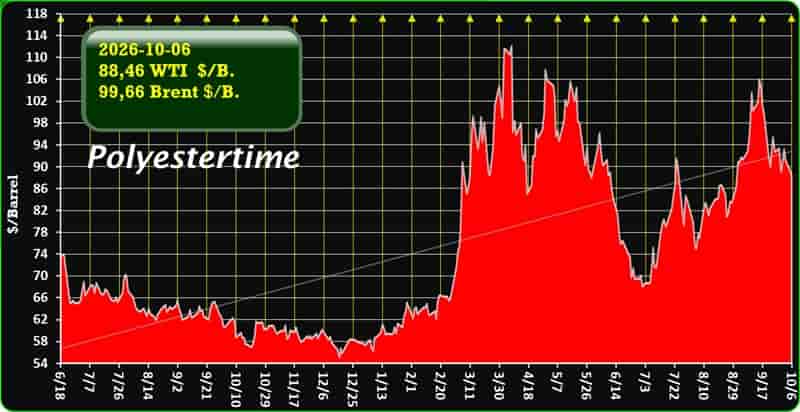
Global energy markets are confronting severe supply volatility as intensifying geopolitical hostilities between the United States and Iran drive international crude benchmarks into triple-digit territory. With Brent crude hovering around $107 per barrel and West Texas Intermediate (WTI) pushing past $102 per barrel, financial analysts, corporate energy purchasers, and global consumers are closely assessing the structural drivers powering this rapid market shift. US Iran oil prices
Understanding the intersection of military escalation, maritime transit security, and broader economic spillover provides critical clarity on where energy markets heading next.
1. The Geopolitical Crucible: War Escalation in the Middle East
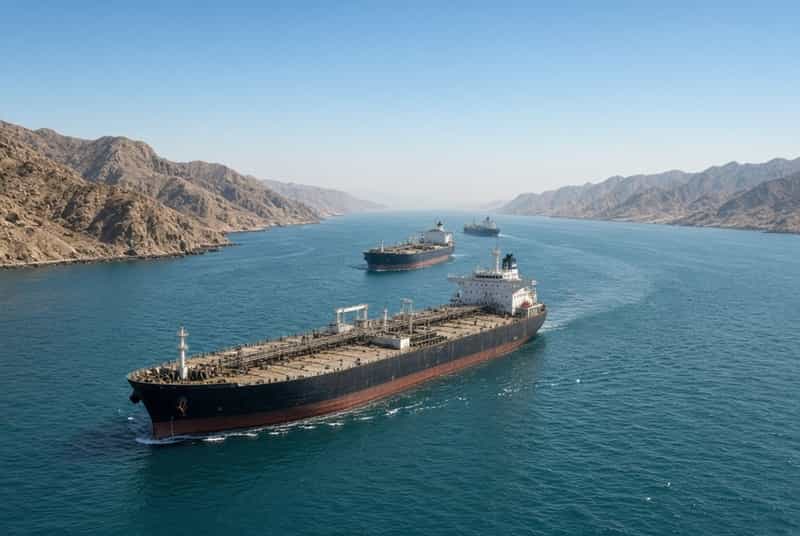
The core driver behind the latest surge in US Iran oil prices stems directly from heightening physical risks across vital energy transit routes. The Persian Gulf and the Strait of Hormuz—a narrow choke point that historically carries roughly 20% of global petroleum traffic—have become central conflict zones.
Recent naval encounters, commercial vessel interdictions, and exchange strikes targeting energy infrastructure have severely impaired shipping throughput. Commercial maritime insurers have dramatically raised risk premiums or withdrawn coverage altogether for tankers traversing the region. Consequently, logistics operators are being forced to choose between navigating high-risk transit zones or rerouting vessels around the Cape of Good Hope, adding days to journey times and removing millions of barrels from active circulating supply.
When physical supply routes face structural threats, commodity traders immediately build a “geopolitical risk premium” into futures contracts. This premium reflects not just current supply shortages, but the statistical probability of catastrophic transit failures should hostilities escalate further. US Iran oil prices
2. Supply and Demand Dynamics: A Fragile Balance
While military disruption occupies headline news, underlying fundamental market conditions have exacerbated the price rally. Global crude inventories were already operating with limited buffers prior to this recent crisis.
Key market fundamentals currently reinforcing high crude prices include:
-
Commercial Stockpile Depletion: Developed nations have drawn down strategic petroleum reserves (SPR) over successive years, leaving central governments with reduced flexibility to cushion sudden supply shocks.
-
Refining Capacity Bottlenecks: Beyond raw crude oil, global refining capacity remains constrained. As a result, middle distillates like diesel and jet fuel have surged even faster than raw crude, putting additional upward pressure on refined fuel costs.
-
OPEC+ Output Discipline: Major oil-producing nations maintain tight export quotas, prioritizing market balance over rapid production increases. This disciplined supply stance prevents rapid inventory replenishment even as demand remains resilient.
3. Macroeconomic Impact: Inflation, Logistics, and Corporate Margins
Crude oil acts as the primary baseline commodity for global commerce. When Brent and WTI sustain price floors above $100 per barrel, the inflationary effects radiate quickly throughout every tier of the global supply chain. US Iran oil prices
Direct economic consequences include:
Rising Commercial Transportation Costs
Freight and logistics carriers face immediate margin pressure from surging fuel surcharges. Commercial trucking fleets, air freight operators, and maritime shipping lines pass these input costs directly onto freight forwarders and retailers, pushing up consumer end prices.
Manufacturing and Petrochemical Feedstocks
Crude oil derivatives serve as foundational inputs for plastics, synthetic rubber, agricultural fertilizers, and industrial chemicals. Prolonged elevated oil prices raise raw material costs across heavy industry and advanced manufacturing alike.
Monetary Policy Complications
Central banks tracking headline inflation rates face difficult strategic decisions. High energy costs generate supply-side inflation that cannot be easily tempered by standard interest rate adjustments, posing complex stagflation risks for developing and developed economies alike.
4. Market Outlook: Key Catalysts to Watch
Navigating energy markets during periods of acute geopolitical stress requires keeping a close watch on specific operational triggers. Market analysts are focused on three core variables that will determine whether crude prices stabilize or push toward multi-year record highs:
| Market Catalyst | Potential Bullish Trigger | Potential Bearish Trigger |
| Strait of Hormuz Transit | Direct blockade or major vessel damage | Coordinated international maritime escort programs |
| Strategic Reserves | Refusal or inability to release further SPR buffers | Large-scale, coordinated global reserve releases |
| Diplomatic Engagement | Breakdown in backchannel talks or expanded sanctions | Verified ceasefires or targeted transit protection agreements |
Commodity strategists note that if regional transit remains compromised through the coming quarters, price spikes testing $115 to $120 per barrel remain a real scenario. Conversely, any diplomatic breakthroughs capable of guaranteeing safe passage for commercial energy tankers would rapidly strip out the geopolitical risk premium, bringing benchmarks back toward fundamental supply-demand equilibrium. US Iran oil prices
Strategic Considerations for Businesses and Investors
In an environment marked by elevated US Iran oil prices, proactive risk mitigation is essential. Enterprises heavily reliant on fuel and transportation inputs should evaluate energy hedging strategies, audit logistics efficiency, and build price-flexibility mechanisms into commercial contracts.
For market participants, monitoring daily inventory figures, maritime AIS vessel tracking data, and official diplomatic statements offers the clearest path through an unsettled global energy landscape.
More…