Trump Rejects Iran Peace Proposal as Oil Prices Surge Above $100
Trump Rejects Iran Peace Response as Oil Prices Surge Above $100
President Donald Trump on Monday sharply rejected Iran’s latest response to a U.S.-backed peace proposal, calling the counteroffer “TOTALLY UNACCEPTABLE” and deepening fears that the escalating Middle East conflict could continue for months. The diplomatic breakdown immediately rattled global financial markets, sending crude oil prices sharply higher and renewing concerns about inflation, energy shortages, and broader geopolitical instability.
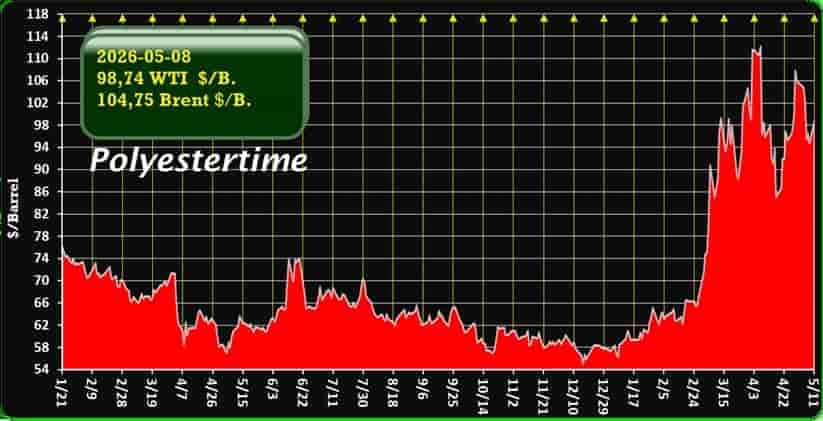
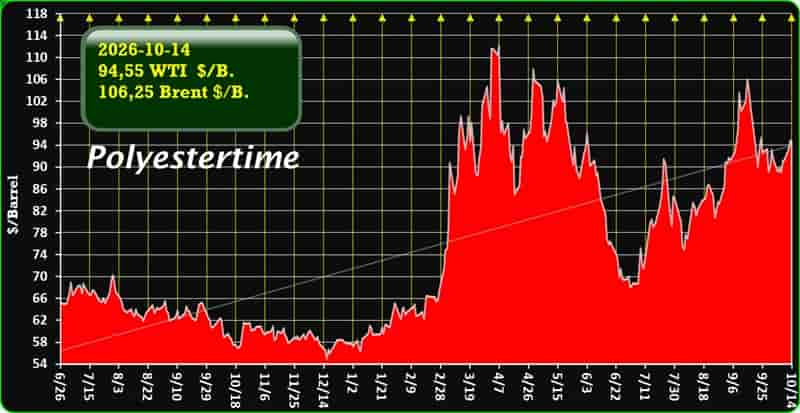
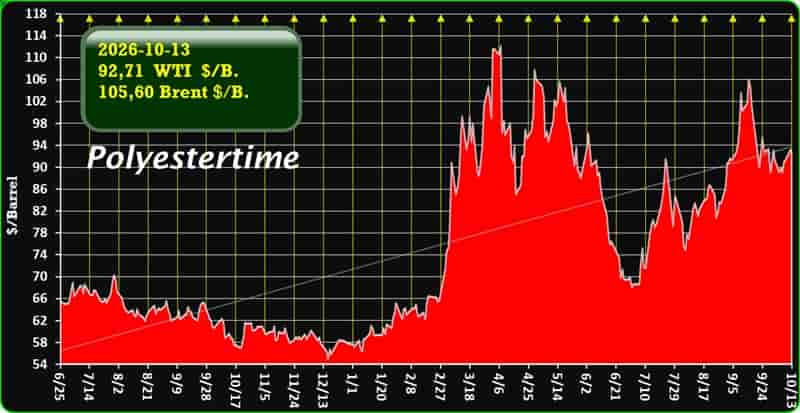
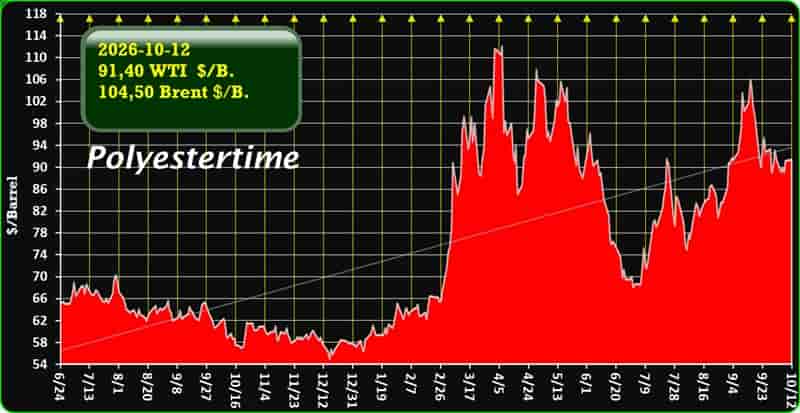
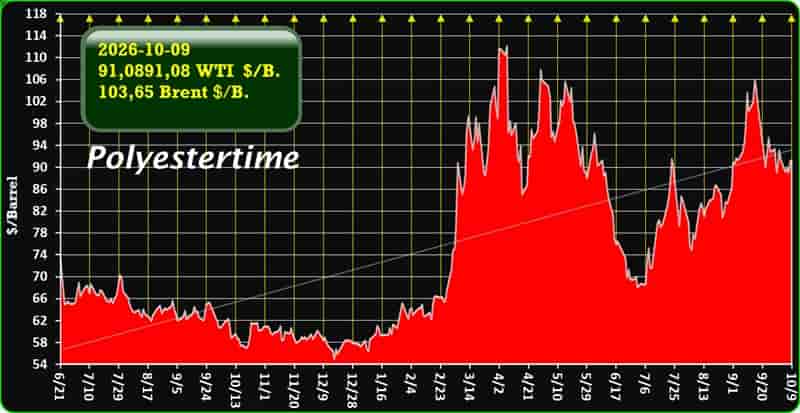
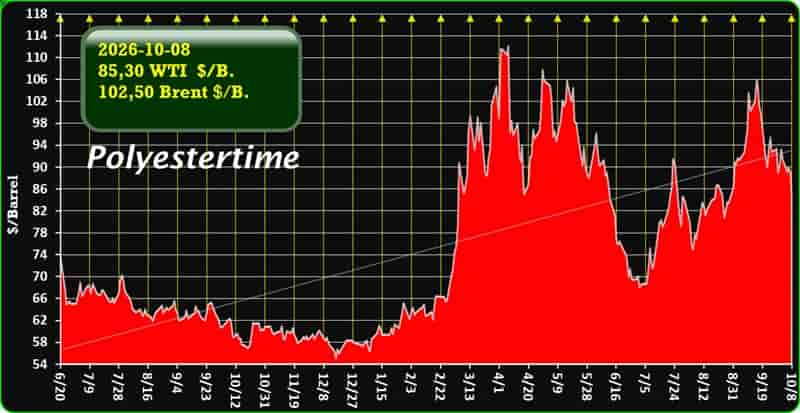
Brent crude climbed above $105 per barrel, while West Texas Intermediate surged toward $95 per barrel, as traders reacted to the growing likelihood that the Strait of Hormuz — one of the world’s most critical oil shipping routes — will remain effectively blocked. Nearly one-fifth of global oil supplies normally pass through the narrow waterway between Iran and Oman, making any prolonged disruption a major threat to the global economy.
The latest tensions emerged after Iran formally responded to a U.S. proposal aimed at restarting negotiations and de-escalating a conflict that has stretched into its tenth week. Tehran’s reply reportedly demanded the complete lifting of U.S. sanctions, compensation for war-related damages, and recognition of Iranian sovereignty over the Strait of Hormuz. Iranian officials also insisted that any broader settlement include an end to fighting in Lebanon, where Israel continues military operations against Hezbollah militants supported by Tehran.
Trump dismissed those demands within hours, arguing that Iran was attempting to exploit the crisis rather than pursue peace. Speaking before departing for a high-stakes diplomatic trip to China later this week, the president warned that Washington would not accept “extortion disguised as negotiation.” The White House signaled that pressure on Tehran would continue until shipping routes reopen and regional attacks cease.
The standoff has become increasingly costly for the United States and its allies. American consumers are already facing rising gasoline prices, while European and Asian governments fear renewed inflationary pressure at a time when many economies remain fragile after years of elevated borrowing costs and weak industrial growth. Analysts say sustained oil prices above $100 could slow global growth significantly if disruptions continue through the summer.
Financial markets reacted cautiously on Monday. U.S. stock futures slipped while safe-haven assets, including the U.S. dollar and gold, gained ground. Airline and transportation stocks fell on concerns over fuel costs, while energy companies surged as investors anticipated stronger profits from higher crude prices.
The geopolitical implications are also widening. Trump’s upcoming visit to Beijing is expected to focus heavily on the Iran crisis, with U.S. officials hoping China can use its economic influence over Tehran to encourage compromise. China remains one of Iran’s most important trading partners and has continued purchasing Iranian crude despite Western sanctions. Chinese leaders have publicly called for de-escalation while resisting U.S. pressure to join any military coalition in the Gulf.
Meanwhile, frustration is growing among Washington’s traditional allies. Several NATO members have refused American requests to contribute naval forces to secure shipping lanes near Hormuz, arguing that diplomacy should take precedence over military escalation. European governments remain concerned that a wider regional war could destabilize global trade and trigger another energy crisis similar to the shocks that followed Russia’s invasion of Ukraine in 2022.
Inside Iran, leaders have adopted a defiant tone. Iranian officials insist the country will not reopen the Strait of Hormuz under military pressure and argue that the blockade is a legitimate response to U.S. and Israeli actions. State media portrayed Trump’s rejection of the peace response as evidence that Washington is unwilling to recognize Iranian security concerns.
Despite the heated rhetoric, diplomatic channels remain open through intermediaries in Pakistan, Oman, and China. However, analysts warn that both sides appear increasingly entrenched, reducing hopes for a near-term breakthrough.
For global markets, the immediate concern remains energy supply. Tanker traffic through the Gulf remains severely limited, insurance costs for shipping have soared, and fears of further attacks on infrastructure continue to push prices upward. If the deadlock persists, economists warn the world could face a prolonged period of higher inflation, slower growth, and heightened geopolitical uncertainty.
Oil Prices Ease Slightly, but US-Iran Uncertainty Keeps Markets on Edge
More….