China Export Surplus: A Stark Warning for Global Industry
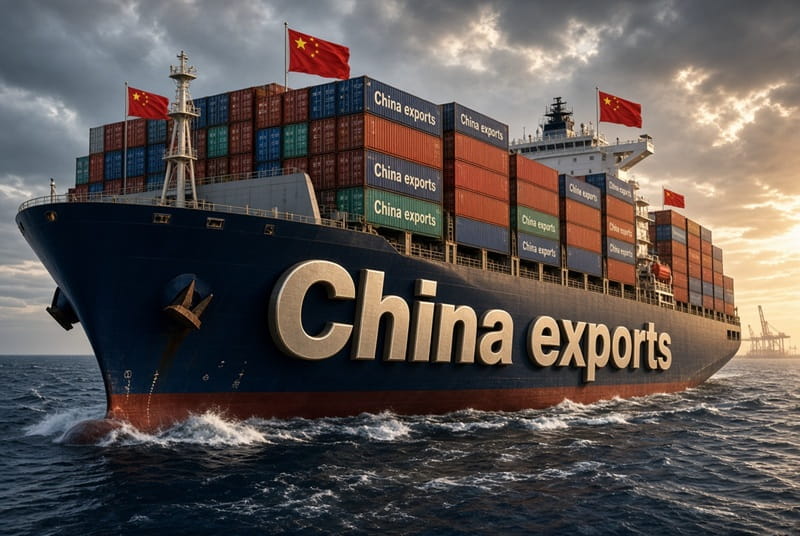
China’s record export surplus is reshaping global manufacturing. Europe faces mounting pressure, but an economic crisis is not inevitable.

China’s record export surplus is reshaping global manufacturing. Europe faces mounting pressure, but an economic crisis is not inevitable.
New US tariffs on imports from Türkiye are increasing pressure on Turkish textile and apparel exporters already struggling with costs and job losses.
Iran has proposed a rotating BRICS Expo to connect businesses and encourage investment, but the idea still needs bloc-wide backing and a practical framework.
Rising US tariffs are shifting costs onto American consumers, reshaping trade flows, and testing the Federal Reserve’s independence amid growing economic uncertainty.
A federal appeals court ruling has opened the door to faster refunds for US tariffs imposed under the Trump administration. Importers could recover up to $175 billion.
The US Supreme Court’s decision to strike down key Trump-era reciprocal tariffs has created deep uncertainty for Asian economies that signed trade agreements to avoid steep duties. From Japan to Indonesia, governments now face difficult geopolitical and economic choices.
The new wave of Trump tariffs is reshaping global trade dynamics, intensifying legal disputes, and amplifying economic uncertainty. As Washington reasserts executive power over trade policy, markets, allies, and emerging economies face mounting strategic risks.
After the Supreme Court struck down key tariffs, Trump doubled down with a universal 15 percent tariff. His State of the Union now unfolds under economic, legal, and political pressure.
Despite new US tariffs and renewed US protectionism, global markets remain resilient. The EU struggles to respond coherently, while investors pivot toward Asia and safe-haven assets.