Trump Tariff Refunds Reach $100 Billion After Court Ruling
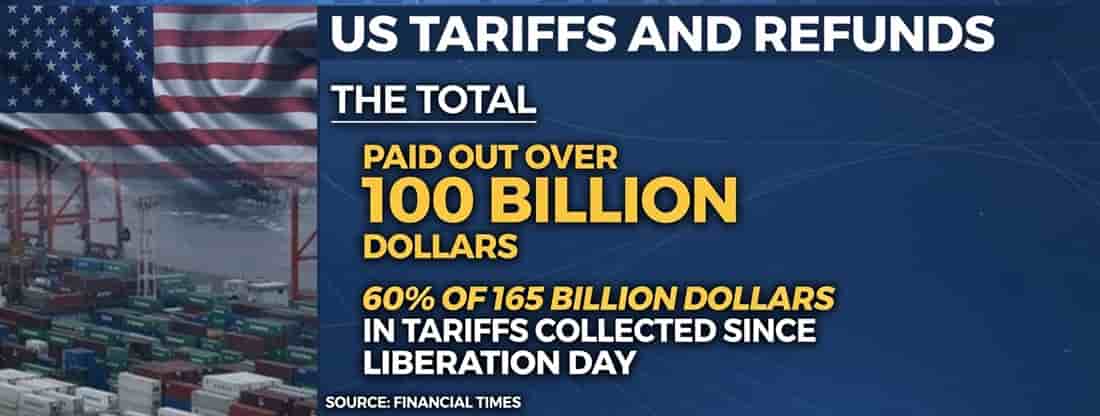
US tariff refunds have reached about $100 billion after courts rejected Trump’s use of emergency powers. Here is who can claim and what comes next.

US tariff refunds have reached about $100 billion after courts rejected Trump’s use of emergency powers. Here is who can claim and what comes next.
The new wave of Trump tariffs is reshaping global trade dynamics, intensifying legal disputes, and amplifying economic uncertainty. As Washington reasserts executive power over trade policy, markets, allies, and emerging economies face mounting strategic risks.
After the Supreme Court blocks emergency tariffs, Trump considers Section 301 and Section 122 as alternative trade weapons, raising fresh uncertainty for global markets.
Brazil welcomes the partial suspension of Trump-era tariffs by the US Supreme Court, calling it a turning point for bilateral trade, investment flows, and strategic economic cooperation.
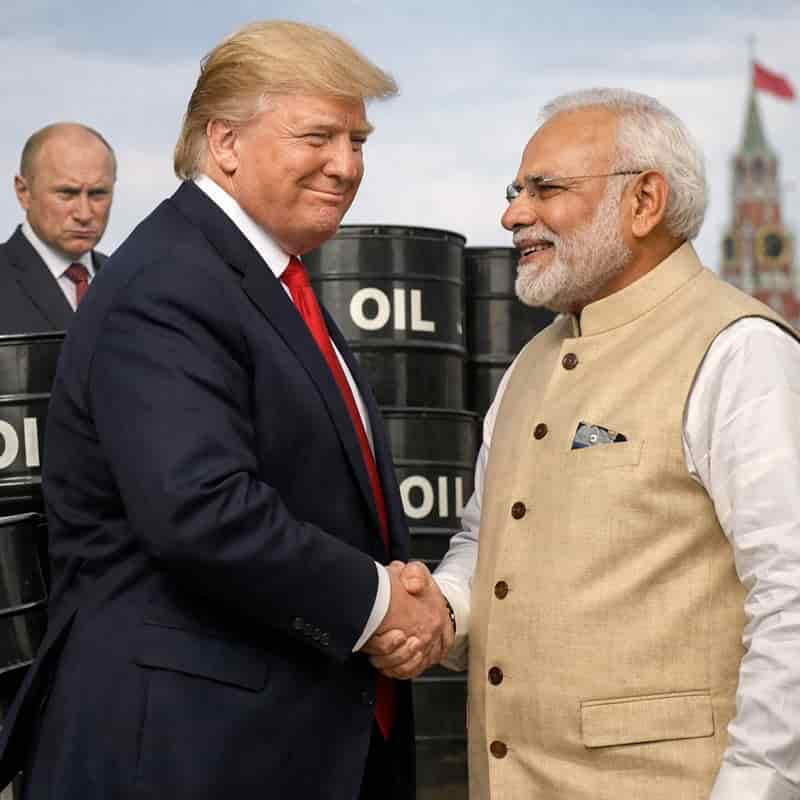
In a major shift in US-India relations, President Trump announced a new trade framework lowering tariffs to 18% and tying India’s energy purchases to a broader diplomatic pact. The move aims to reshape bilateral commerce and global trade dynamics.
While investors fixate on inflation and interest rates, a deeper risk is unfolding: the erosion of US global influence. Ian Bremmer warns this shift is destabilizing markets, alliances, and the global order.
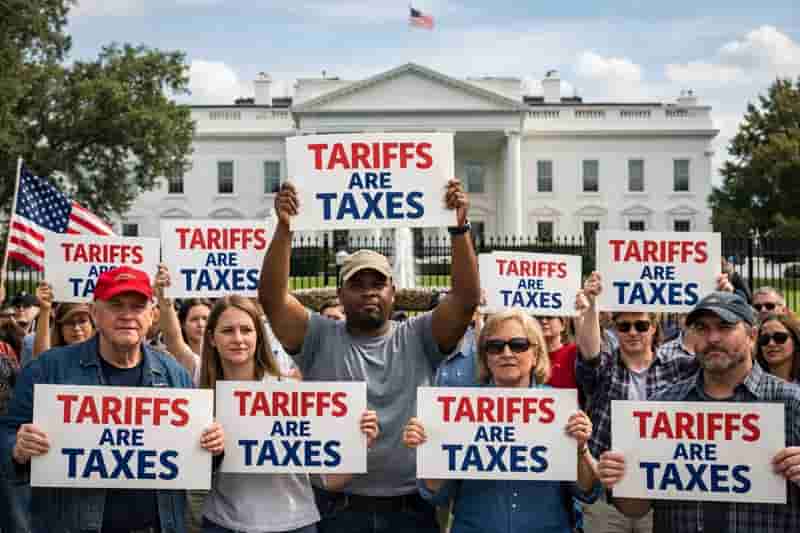
New economic research reveals that Trump’s tariffs functioned as a hidden tax on Americans, raising prices and squeezing businesses while foreign exporters largely avoided the cost.
Car prices did not surge as feared after tariffs, but affordability remains elusive. As 2026 approaches, stubbornly high auto costs challenge political claims of economic success.
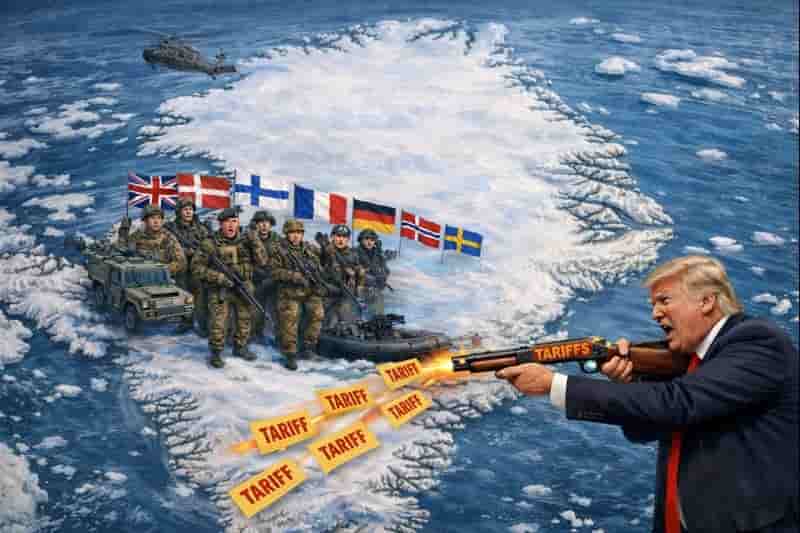
Trump Greenland tariffs ignite a sharp European backlash as new trade threats tied to Greenland strain NATO unity, disrupt markets, and raise Arctic security risks.