US-India trade deal – Historic US-India Trade Breakthrough Or Risky Concession: Trump Lowers Tariffs To 18% After Modi Agrees To Modify Oil Purchases, Sparking Global Economic Debate 03-02-2026
US-India Trade Deal 2026: What Changed and Why It Matters
In early February 2026, the United States and India announced a pivotal shift in their trade relationship after weeks of diplomatic maneuvering and commercial tension. President Donald Trump revealed that the United States will lower tariffs on Indian goods from 25 percent to 18 percent, a move tied to broader negotiations around energy sourcing and economic cooperation. This decision marks a significant development in US-India trade policy and has implications for global markets and geopolitical strategy.
The new tariff rate reflects a reduction from previously high duties. In 2025, the US had imposed steep tariffs—originally a 25 percent “reciprocal” tariff and an additional 25 percent penalty linked to India’s Russian oil purchases—bringing the total to as much as 50 percent on Indian exports. Those punitive measures strained relations and disrupted trade flows. US-India trade deal
What Trump and Modi Announced
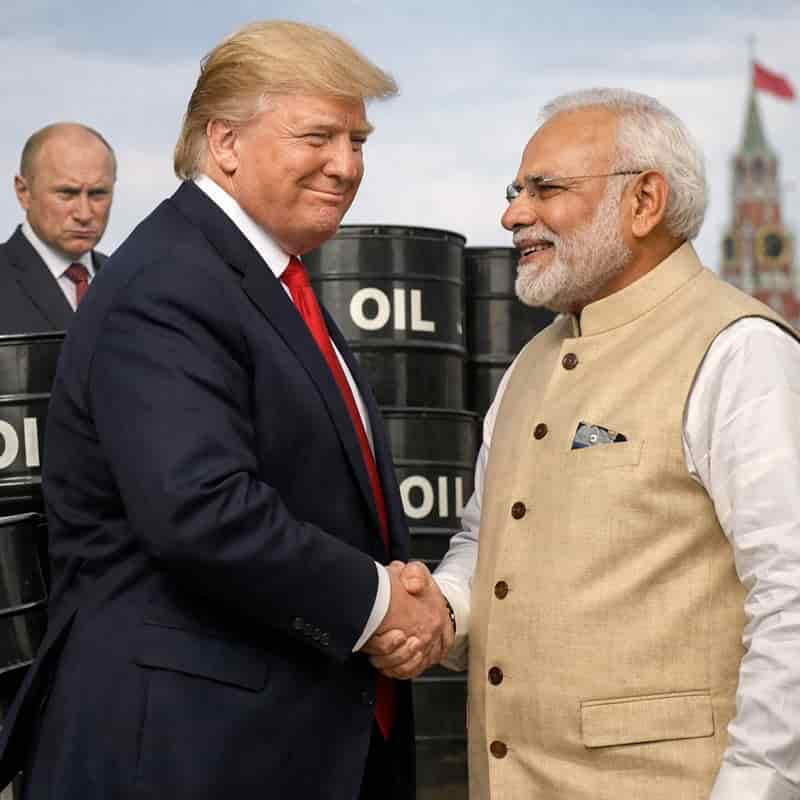
President Trump publicly announced the tariff reduction on social media following a phone call with Indian Prime Minister Narendra Modi. Trump framed the tariff adjustment as part of a broader trade deal, claiming India agreed to halt purchases of Russian oil and to expand energy imports from the United States, potentially including Venezuelan supplies. Modi reciprocated with public remarks describing the conversation as “wonderful” and welcoming the tariff cut. US-India trade deal
According to Trump, the agreement also involves India reducing its own tariffs and eliminating non-tariff barriers on US products. As part of the broader deal, he said India would commit to buying more than $500 billion in US goods, ranging from energy and technology to agricultural products. US-India trade deal
However, it is important to note that many details of the agreement have not been officially released in full form by either government, and some claims—particularly regarding a complete cessation of Russian oil imports—have not been confirmed by India’s public statements. US-India trade deal
Why Tariff Cuts and Oil Deals Matter
Lowering tariffs from 25 percent to 18 percent makes Indian products more competitive in the US market, potentially increasing exports in sectors like textiles, gems and jewelry, automotive components, and leather goods. Economic analysts suggest that lower tariffs can boost exports and strengthen bilateral commerce after a prolonged period of tension.
Tying tariff relief to energy procurement also gives the deal a geopolitical dimension. By linking trade incentives with shifts in oil sourcing, Washington seeks to influence global energy patterns, particularly amid the ongoing Russia-Ukraine conflict and global efforts to reduce Moscow’s economic leverage. US-India trade deal
India’s energy landscape has historically relied on diversified imports, with Russian crude accounting for a significant portion of its oil needs. The latest trade agreement suggests a policy pivot—though the full scale of India’s energy sourcing changes remains to be clarified in official data.
Economic and Political Responses
The announcement drew mixed reactions. Indian leaders, including Prime Minister Modi and his commerce minister, publicly welcomed the tariff reduction and highlighted the potential for strengthened economic cooperation and export growth.
Critics in India’s political opposition questioned the clarity of the deal and urged the government to explain its terms in greater detail. Some trade experts also cautioned that key aspects of the agreement remain uncertain, suggesting that optimism should be tempered until official texts are published. US-India trade deal
In the United States, business groups that export goods to India may benefit from lower US duties, while political commentators noted that the deal could enhance job creation and supply chain diversification. Others suggest that tying tariffs to energy imports raises complex questions about sovereignty and long-term strategic alignment. Analysts highlight that, while the tariff cut makes bilateral trade more favorable, it also reflects a negotiated balance between economic incentives and geopolitical objectives.
Broader Global Impact
This trade agreement comes at a time when India is expanding its international trade partnerships. Just days before the US-India tariff announcement, India finalized a free trade agreement with the European Union after years of negotiation, showing New Delhi’s broader efforts to diversify economic ties and integrate into global markets. US-India trade deal
Global markets responded positively to news of the tariff change, with stock indices in Asia showing gains on optimism about reduced trade friction and potential for increased global commerce.
The US-India trade agreement represents a notable chapter in a long and complex economic relationship that has navigated tariffs, sanctions, and high-level diplomatic engagement. As both nations clarify and implement the terms, the real economic effects will become more measurable, shaping trade flows and strategic cooperation in the years ahead. US-India trade deal
More…