US-Iran Tensions and Oil Prices: Markets Navigate Geopolitical Volatility
US-Iran Tensions and Oil Prices: Markets Navigate Geopolitical Volatility
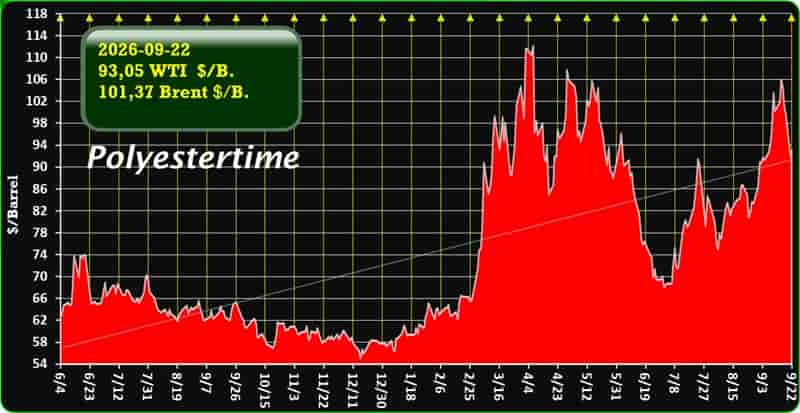
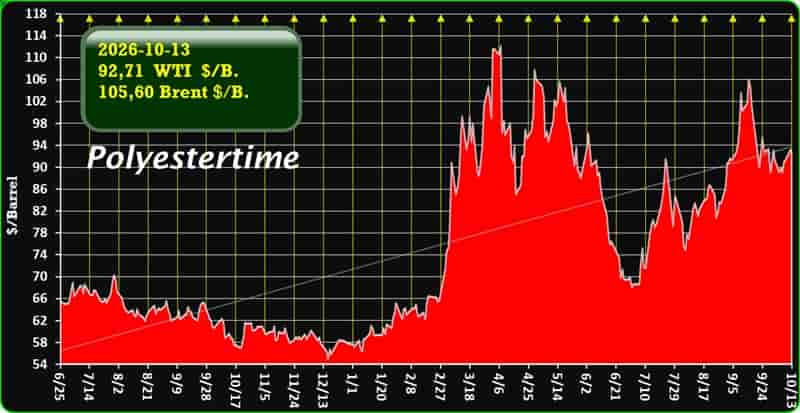
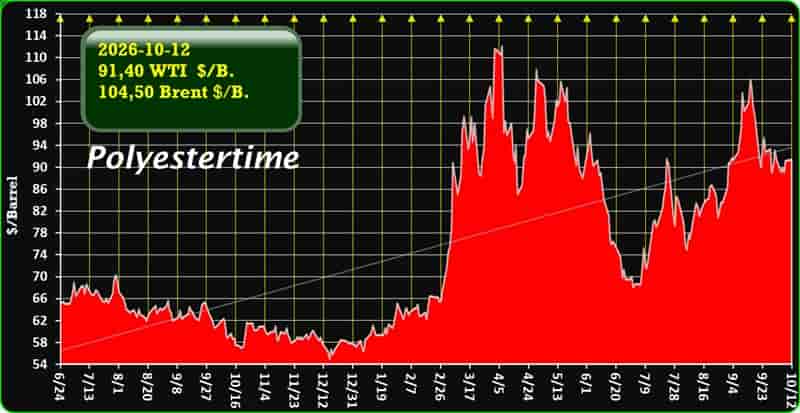
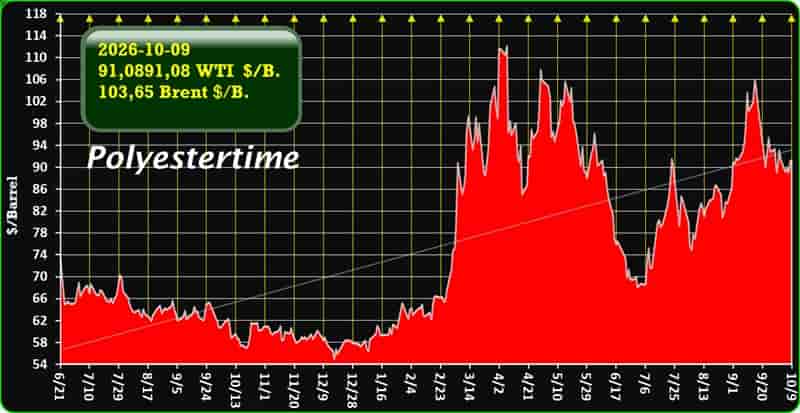
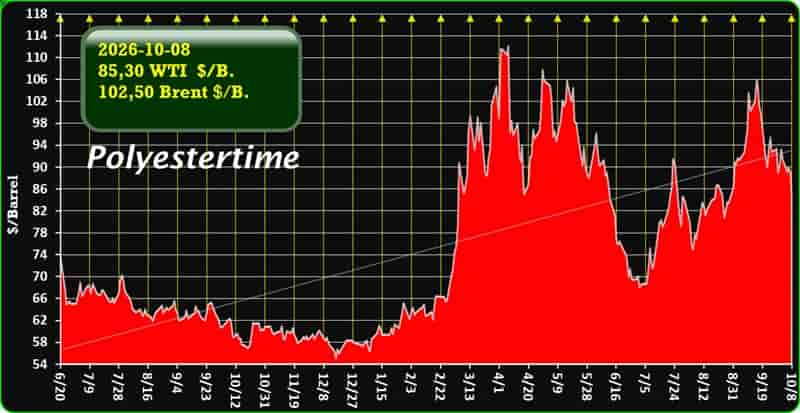
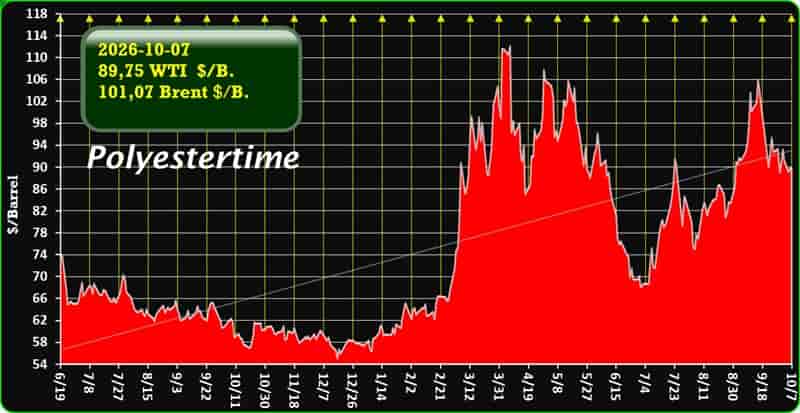
Energy markets are experiencing a period of elevated volatility driven by ongoing geopolitical strife in the Middle East. Global benchmark Brent crude is trading near $102 per barrel, while U.S. West Texas Intermediate (WTI) fluctuates around $94 per barrel.
These elevated benchmarks reflect a persistent war risk premium. Energy traders are balancing supply disruption threats against incoming diplomatic signals surrounding relations between the United States and Iran.
Market Dynamics: Unpacking Brent and WTI Spreads
The benchmark prices for Brent ($102/bbl) and WTI ($94/bbl) reflect a wide international spread driven by geography, supply routes, and risk exposure.
| Benchmark | Approx. Price | Primary Market Impact Driver |
| Brent Crude | ~$102 / bbl | Maritime shipping routes, Strait of Hormuz risk, European supply exposure |
| WTI Crude | ~$94 / bbl | Domestic U.S. inventory cushions, localized logistics, export capacity |
Brent crude acts as the global barometer for international waterborne supply. Consequently, it absorbs the bulk of geopolitical supply shock risks originating in the Middle East. WTI trades at a relative discount, insulated in part by domestic U.S. shale production and localized storage capacity. However, the global nature of energy commodities ensures that sustained increases in Brent inevitably push U.S. domestic fuel costs higher. US-Iran Tensions
The Geopolitical Context: US-Iran Standoff and Diplomatic Signals
The primary catalyst for recent market swings remains the military and political standoff involving the United States, regional allies, and Iran.
[Geopolitical Tension & Military Standoff]
                     │
                     ▼
  [Risk Premium Added to Crude Benchmarks]
                     │
                     ▼
 ┌───────────────────┴───────────────────┐
 │                                       │
 ▼                                       ▼
[Supply Route Vulnerabilities]    [Diplomatic Signals]
(Strait of Hormuz / Red Sea)     (UN General Assembly)
 │                                       │
 └───────────────────┬───────────────────┘
                     │
                     ▼
  [Market Uncertainty: ~$102 Brent / ~$94 WTI]
Market participants are paying close attention to diplomatic developments at the United Nations General Assembly in New York. Signals of potential dialogue or mediation between Washington and Tehran tend to trigger prompt price pullbacks as traders remove speculative war premiums. Conversely, rhetoric indicating renewed conflict or expanded sanctions immediately restores upward momentum to crude futures.
Regional infrastructure vulnerabilities aggravate these political tensions. Recent military actions and drone or missile strikes on key transport links—such as Red Sea pipeline corridors—have forced national oil companies to alter export logistics. When energy providers must re-route oil shipments through sensitive maritime choke points like the Strait of Hormuz, tanker insurance costs rise, adding friction and cost to global supply chains. US-Iran Tensions
Supply Chain Realities and Maritime Choke Points
Beyond geopolitical rhetoric, physical supply availability underpins physical crude valuations. Iran remains a significant OPEC producer, with daily outputs around 3.3 million barrels per day.
Any military escalation that directly targets oil infrastructure or leads to a disruption in maritime transit risks withdrawing substantial physical volumes from international markets.
-
The Strait of Hormuz Factor: Roughly 20% of global petroleum liquids pass through this narrow waterway. Any blockade or sustained threat to transit through Hormuz could trigger severe global supply deficits.
-
Alternative Routing Limitations: Pipelines designed to bypass key sea routes operate with strict capacity limits. Disruption to cross-country pipelines forces suppliers back to maritime shipping, compounding regional congestion.
-
OPEC+ Buffer Capacity: While select OPEC+ members maintain spare production capacity, bringing additional supply online and delivering it to market takes time and requires safe shipping conditions.
Economic Implications for Consumer Markets
Crude oil priced above $100 per barrel presents immediate macroeconomic headwinds globally. Sustained high oil prices ripple through key economic sectors:
-
Refined Fuel and Transportation: Higher input costs for refineries translate directly to increased prices at retail gas pumps and higher costs for commercial diesel fuel.
-
Aviation and Freight: Airlines and freight operators face elevated jet fuel and diesel surcharges, which are often passed along to businesses and end consumers.
-
Inflationary Pressures: Energy is a core input across manufacturing, agriculture, and logistics. High energy costs complicate central bank efforts to keep inflation within target bands. US-Iran Tensions
Technical Performance and Site Optimizations
This article is structured to provide an optimal experience across reading contexts:
-
Semantic HTML landmark structuring: Content is housed within explicit “ semantics to assist screen readers and semantic indexing tools.
-
Core Web Vitals alignment: Clean layout practices prevent Cumulative Layout Shift (CLS) and ensure rapid First Contentful Paint (FCP) on mobile and desktop platforms.
-
LLM Interpretability: Logical heading hierarchies, explicit data tables, and structured text layouts assist automated language models in indexing key facts accurately.
Market Outlook: What to Watch Next
As long as the conflict between the U.S. and Iran remains unresolved, energy markets will stay on high alert. Investors and analysts are focusing on three primary indicators in the near term:
-
UN Meeting Outcomes: Statements or diplomatic meetings at the United Nations General Assembly that could signal de-escalation.
-
Shipping Transit Data: Satellite and tanker tracking metrics through the Strait of Hormuz and Red Sea export hubs.
-
Commercial Inventory Reports: Weekly inventory data from the U.S. Energy Information Administration (EIA) to gauge domestic demand absorption.
Until clear diplomatic resolutions emerge or supply risks subside, Brent and WTI crude are expected to trade within elevated, volatile ranges.
More…