Car Prices Stayed High Despite Tariffs Victory Claims, Raising New Doubts Over Trump’s Auto Policy, Affordability Promises, and the 2026 Cost-of-Living Debate 25-01-2026
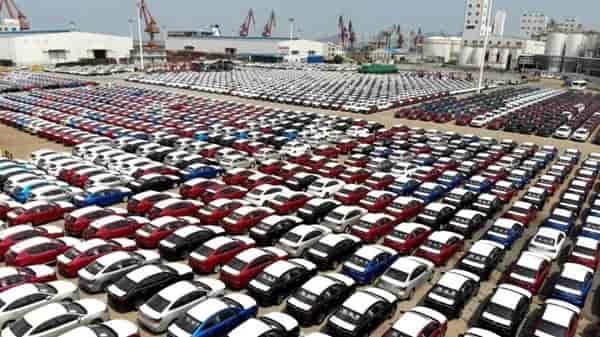
Car prices in the United States did not rise as sharply as many analysts predicted last year, following the introduction of sweeping tariffs on imported vehicles and auto parts
This outcome has been framed by the Trump administration as proof that its trade policies did not fuel inflation. Yet for many consumers, the reality is less reassuring. Auto prices remain historically high, and the sense that costs are merely hovering rather than falling continues to weigh on voter sentiment.
Throughout the winter, the White House has highlighted the auto industry as evidence that tariffs did not make everyday goods significantly more expensive. Domestic car sales grew by more than 2 percent in 2025, reinforcing the narrative that consumers absorbed the changes without major disruption. Administration officials have used factory visits, press releases, and regional tours to underline the message that Trump’s auto policy strengthened American manufacturing while protecting buyers from price shocks. car prices
However, the broader affordability picture tells a more complicated story. The average price of a new car rose modestly over the course of 2025, reaching a record level of approximately $50,326 by December, according to industry data. Entering 2026, analysts expect prices to continue edging upward even as overall vehicle sales are projected to decline. These elevated car prices, rooted in supply chain disruptions that began during the pandemic, remain a persistent concern for households already strained by high interest rates and everyday living costs. car prices
This gap between political messaging and consumer experience presents a strategic challenge for Republicans heading into the 2026 midterm elections. Voters tend to judge affordability not by hypothetical scenarios, but by what they pay at the dealership. The argument that car prices could have been worse without tariffs has limited appeal when monthly payments remain high and financing terms are tight.
From the industry’s perspective, tariffs have reshaped cost structures in subtle but significant ways.
Automakers rely on globally integrated supply chains, even when final assembly occurs in the United States. Higher duties on imported components added billions in expenses across the sector. Rather than immediately passing those costs on to buyers, many manufacturers chose to absorb them during 2025 to remain competitive in a crowded market. car prices
Ford estimated that tariffs cost the company roughly $1 billion in 2025, while General Motors projected an impact of between $3.5 billion and $4.5 billion. These figures were lower than initially feared, partly due to tariff credits later introduced for domestic manufacturers. Still, the financial burden reduced profit margins and limited pricing flexibility.
Competition played a decisive role in keeping car prices from rising more sharply. Automakers closely monitored one another, reluctant to be the first to raise sticker prices and risk losing market share. This stalemate helped stabilize prices in the short term, but industry analysts caution that it may not last. As new model years roll out and margins tighten, a greater share of tariff-related costs is expected to reach consumers in 2026.
Some of the sales strength seen last year may also reflect timing rather than confidence. The announcement of tariffs prompted a wave of early purchases, as buyers rushed to secure vehicles before potential price increases. That surge helped inflate sales figures in 2025 but may contribute to the anticipated slowdown ahead. car prices
Trump has repeatedly argued that tariffs are essential to preserving the U.S. auto industry, claiming they have encouraged companies to expand domestic production. Major automakers have indeed announced significant investments in American factories, pledging tens of billions of dollars over the coming years. These commitments bolster the administration’s argument that tariffs support long-term industrial growth.
Yet reshoring auto production is a gradual process. Building new factories, training workers, and reconfiguring supply networks can take years. In the meantime, manufacturers continue to face higher input costs, limiting the likelihood of near-term price relief for consumers.
To counter affordability concerns, the administration has pointed to complementary policies aimed at easing the burden on car buyers. These include tax deductions for Made in USA vehicles, the elimination of taxes on car loans, and the rollback of stricter fuel economy standards. Officials argue that reducing regulatory pressure will expand consumer choice and lower production costs. car prices
Critics remain unconvinced that these measures will translate into meaningful savings.
While incentives may soften the blow for some buyers, they do little to address the underlying reality that car prices remain at record highs. For many voters, the promise of future relief rings hollow when immediate costs continue to strain household budgets.
The political implications are clear. Auto affordability has become a visible symbol of the broader cost-of-living debate. Voters are keenly aware of what they pay for essential purchases, and perceptions are shaped by lived experience rather than policy explanations. Claims of victory based on avoided price spikes may struggle to resonate in an environment where prices have not meaningfully declined.
As 2026 approaches, the auto industry sits at the intersection of trade policy, industrial strategy, and consumer economics. Car prices may not have soared, but they remain stubbornly high. Whether that outcome is framed as success or shortcoming will depend less on political messaging and more on whether Americans begin to feel genuine relief at the dealership.
More…