EU Chemical Industry 2026: The Dangerous Illusion of Recovery
EU Chemical Industry 2026: The Dangerous Illusion of Recovery
A brief uptick in revenue hides a deepening crisis powered by widening gas price gaps, persistent global oversupply, and fragile Middle Eastern logistics.
The Surface-Level Uptick Hides Deep Economic Strains
Recent trade figures for the first half of 2026 present a paradoxical picture for the European chemical sector. On paper, producer prices and total chemical sales registered a modest improvement. However, industry analysts warn against mistaking nominal financial growth for a genuine economic turnaround.
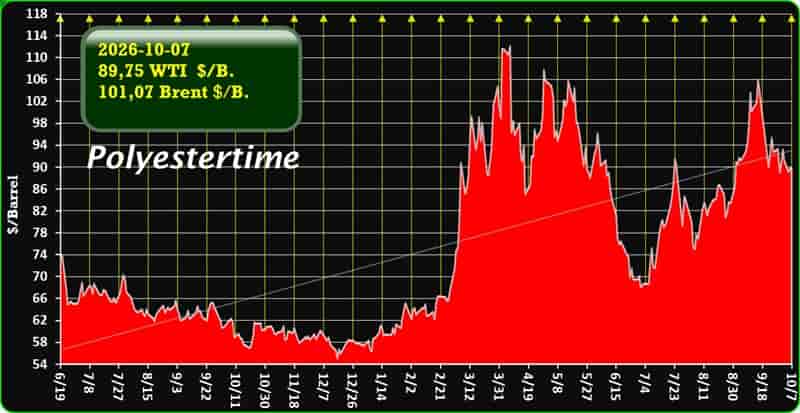
The recent increase in turnover across the 27 EU member states was driven primarily by price hikes rather than real growth in production volumes. Underlying consumer and industrial demand across Europe remains fundamentally weak. While recent geopolitical friction—including severe shipping bottlenecks through the Strait of Hormuz—temporarily restricted competing imports, this artificial price protection offers no long-term stability for European manufacturers. EU chemical industry 2026
Energy Disadvantages and the Gap with the US
At the core of the ongoing struggles facing the EU chemical industry 2026 is an enduring and unsustainable energy cost disadvantage. European chemical plants rely on natural gas not only as a primary energy source to heat their facilities, but also as vital feedstock for basic chemical building blocks.
The cost gap between natural gas prices in the European Union and those in the United States widened further through mid-2026. With European gas storage reserves dipping below traditional seasonal levels following Middle Eastern supply disruptions, industrial energy bills have risen significantly. Consequently, energy costs continue to weigh heavily on energy-intensive manufacturing clusters in key industrial nations like Italy and Germany, creating an uncompetitive environment compared to American counterparts who benefit from cheap domestic shale gas. EU chemical industry 2026
Low Capacity Utilization and Uneven Regional Performance
Overall plant utilization across the EU27 remains stalled at approximately 75%, well below historical baseline averages. This continued idle capacity reflects persistent spare production capabilities that European plants simply cannot run economically under current market conditions.
The economic impact, however, varies dramatically across the continent:
-
Resilient Markets: France and Spain managed a return to moderate volume growth, supported by specific consumer chemical segments and localized demand recovery.
-
Stable Performers: Poland maintained a steady baseline, buffered by resilient regional manufacturing supply chains.
-
Declining Giants: Traditional industrial powerhouses—specifically Germany, the Netherlands, and Italy—continue to suffer steady declines in industrial output.
At a product level, polymers and basic organic chemicals remain the hardest hit. These high-volume commodity segments face immense pressure from structural global oversupply, particularly as lower-cost chemical output from Asian and North American facilities floods international markets.
Export Contraction and Narrowing Trade Surpluses
International trade data highlights the reality of Europe’s shrinking market share on the global stage. Both import and export volumes for the EU chemical sector dropped substantially during H1 2026. EU export values dropped by 6.3% (€7.2 billion), largely driven by a massive 29% decline in organic chemical shipments to North America.
While the EU managed to retain an overall chemical trade surplus of €18.4 billion in value terms, the margin continues to shrink as export revenues fall faster than import expenditures. Furthermore, employment outlook surveys within the sector have deteriorated, raising concerns that temporary shutdowns and reduced shift patterns could soon solidify into permanent industrial plant closures. EU chemical industry 2026
The Road Ahead for European Chemical Policy
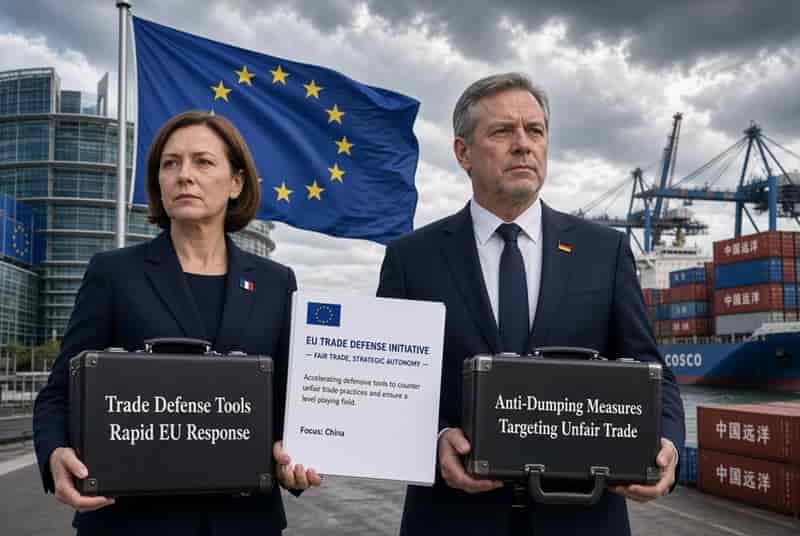
Without targeted structural intervention, the temporary price gains seen in early 2026 will not prevent further industrial decline. Bridging the gap in energy pricing, addressing global oversupply dumping, and streamlining regulatory burdens remain essential prerequisites for restoring long-term competitiveness to Europe’s foundational manufacturing sectors.
More…