US-Iran Oil Price Surge: Brent Hits $108 as Middle East Tensions Threaten Global Energy Markets
US-Iran Oil Price Surge: Brent Hits $108 as Middle East Tensions Threaten Global Energy Markets
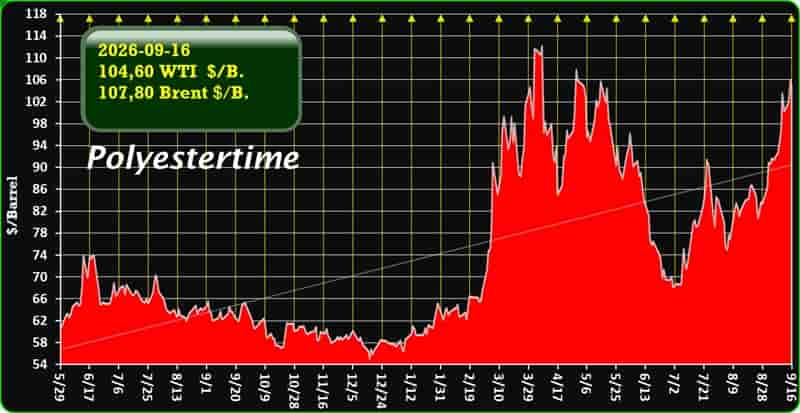
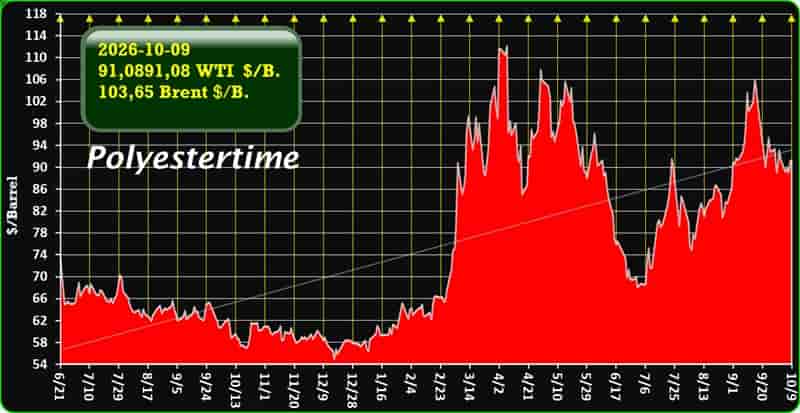
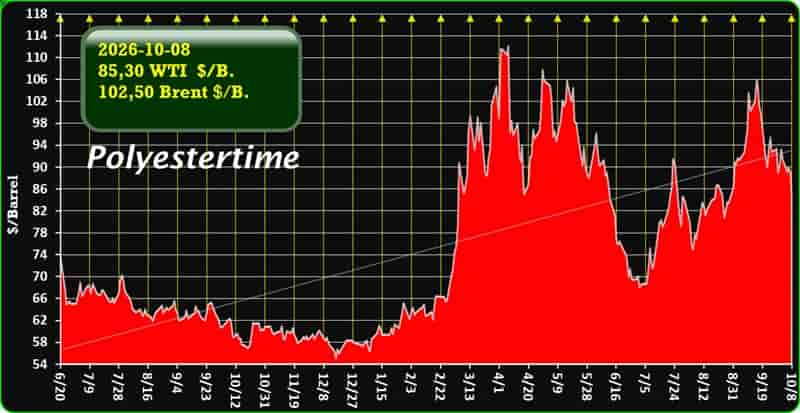
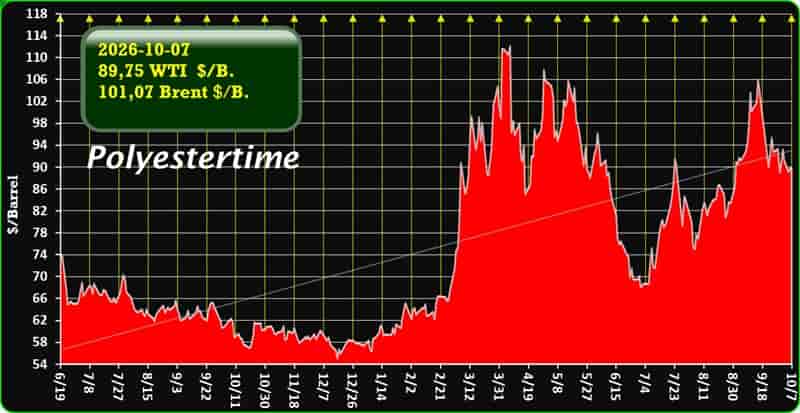
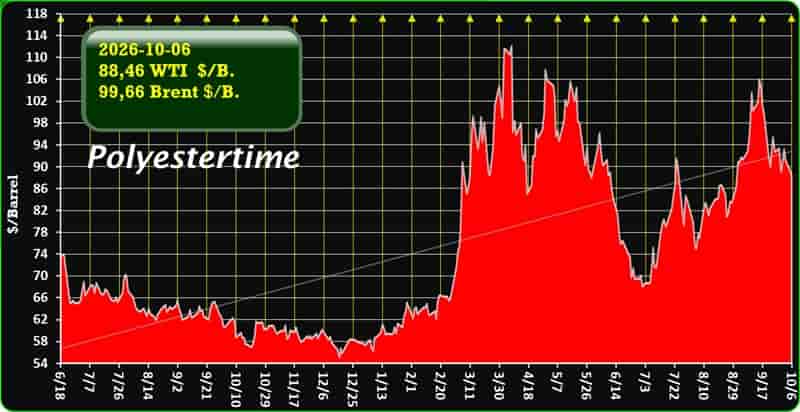
The global energy sector is facing severe volatility as escalating military confrontations between the United States and Iran disrupt crude supply routes. Brent crude has climbed near $108 per barrel, while West Texas Intermediate (WTI) is trading close to $105 per barrel. This price surge reflects growing anxiety over maritime security in key chokepoints like the Strait of Hormuz. As geopolitical risks override market fundamentals, energy analysts are evaluating the long-term impact on inflation and global trade.
What Driven Crude Oil to Current Highs?
Energy markets have been under continuous pressure due to military operations and retaliatory actions affecting international shipping corridors. The sustained military standoff between the United States and Iran has led to several key factors pushing prices higher:
-
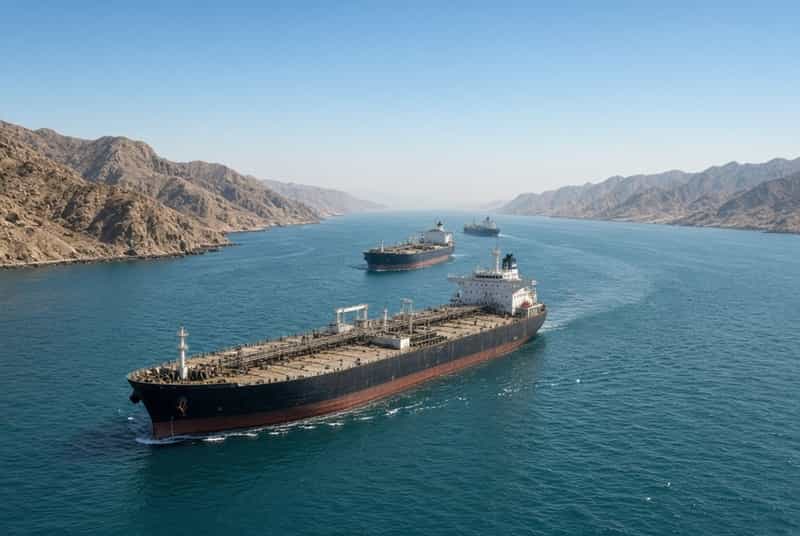
Naval Blockades and Maritime Attacks: Threats to commercial vessels traversing the Strait of Hormuz—through which roughly 20% of global petroleum liquids flow—have forced shipping companies to reroute or pause operations. US-Iran oil price surge
-
Re-imposed Sanctions: Squeezing Iranian crude exports through economic restrictions has tightened global supply availability.
-
Depleted Strategic Reserves: Multiple nations have drawn down domestic crude inventories to cushion short-term deficits, reducing the buffer against further supply shocks.
With Brent at $108/B and WTI at $105/B, the market is pricing in a substantial war risk premium. Physical energy flows remain constrained, keeping prices elevated despite shifting geopolitical forecasts.
The Strategic Importance of the Strait of Hormuz
The Strait of Hormuz is the primary transit point for global crude oil exports. Connecting Gulf oil producers to international consumer markets, any operational standstill in the waterway creates an immediate global deficit. US-Iran oil price surge
                                      [ Persian Gulf ]
                                             │
                                             ▼
                                  [ Strait of Hormuz ]  <─── Primary Chokepoint
                                             │               (20% of Global Oil)
                                             ▼
                                     [ Gulf of Oman ]
                                             │
                                             ▼
                                    [ Arabian Sea / Indian Ocean ]
Recent attacks on commercial vessels and naval assets in and around this channel have raised transit risk premiums and insurance rates for oil tankers. While alternative routes exist—such as pipelines through Saudi Arabia or East Africa—they lack the capacity to fully replace the volume that passes through Hormuz daily.
Macroeconomic Fallout: Inflation and Central Bank Responses
The US-Iran oil price surge extends far beyond commodity exchanges. Energy serves as a fundamental input for manufacturing, transport, and agricultural production, meaning sharp price increases quickly translate to consumer prices.
| Indicator | Pre-Escalation Average | Current Market Level | Economic Risk |
| Brent Crude Spot | ~$80–$85 / bbl | $108 / bbl | Upward pressure on global fuel prices |
| WTI Crude Spot | ~$75–$80 / bbl | $105 / bbl | Higher domestic refining and transport costs |
| Global Inflation Risk | Moderating | Elevated | Reversal of central bank rate cuts |
| Supply Cushion | Moderate Surplus | Net Inventory Drawdown | Reduced capacity to absorb sudden shocks |
For major energy-importing economies, sustained high prices raise import bills, weaken national currencies, and complicate central bank policy. Continued energy price spikes may force central banks to pause interest rate cuts or consider tightening borrowing costs to curb secondary inflation. US-Iran oil price surge
Future Outlook: Volatility or De-escalation?
Market analysts remain divided on the long-term trajectory of oil prices:
-
The Escalation Scenario: Continued conflict near key maritime chokepoints could push Brent crude toward $120/B as global supply deficits deepen.
-
The Settlement Scenario: Diplomatic negotiations or an end to active hostilities could remove the geopolitical risk premium, bringing prices back down toward fundamental supply-demand levels.
Until maritime safety is restored and energy routes are secured, markets will likely remain sensitive to breaking political and military developments. US-Iran oil price surge
More…