Japan Recycled Plastic Demand Soars to Unprecedented 596,000 Tons
Japan Recycled Plastic Demand Soars to Unprecedented 596,000 Tons
Japan’s industrial landscape is undergoing a decisive shift toward sustainable material loops, pushing domestic consumption of regenerated resin to record figures. According to research published by Yano Research Institute, Japan’s domestic demand for recycled plastic used in products is estimated at 596,000 metric tons in 2025.
This figure includes both material and chemical recycling streams for domestic manufacturing, excluding overseas exports.
Demand Distribution Across Key Sectors
Beverage packaging represents the single largest consumer of recycled resin, with manufacturers ramping up bottle-to-bottle circular systems to meet stringent corporate commitments.
-
Beverage PET Bottles: 260,000 metric tons
-
Food Packaging (Rigid PET & PS Trays): 160,000 metric tons
-
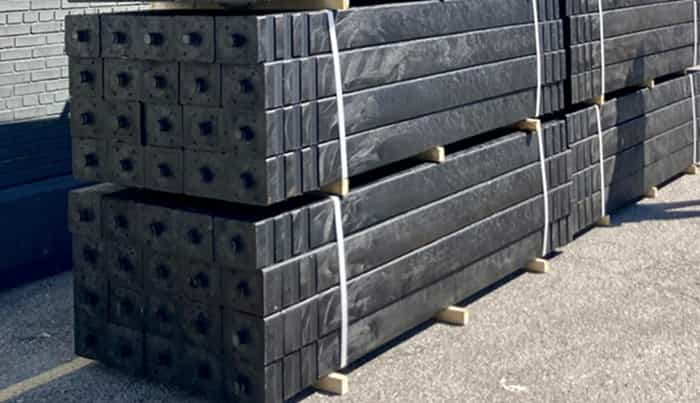
Logistics Pallets: 60,000 metric tons
-
Automotive Components: 40,000 metric tons
-
Home Appliances: 30,000 metric tons
-
Other Applications: 30,000 metric tons
| Industry Segment | Estimated 2025 Volume | Key Policy & Industry Driver |
| Beverages (rPET) | 260,000 tons | JSDA goal of 50% bottle-to-bottle recycling by 2030 |
| Food Containers | 160,000 tons | Eco-design packaging criteria & certification standards |
| Logistics & Warehousing | 60,000 tons | Supply chain durability and closed-loop pallet systems |
| Automotive | 40,000 tons | EU End-of-Life Vehicle (ELV) compliance (Aug 2026) |
| Home Appliances | 30,000 tons | Revised Effective Resource Utilization Act compliance |
Regulatory Framework Enforces Mandatory Reporting
Growth in recycled resin adoption is heavily accelerated by statutory changes. Amendments to Japan’s Act on Promotion of Effective Utilization of Resources, which took effect in April 2026, introduce strict compliance benchmarks for high-volume businesses.
Starting in fiscal 2027, companies that sell at least 10,000 tons of designated plastic packaging, 50,000 appliance units, or 10,000 vehicles annually must submit formal utilization plans and periodic progress reports to government authorities. International regulations, including the European Union’s updated ELV standards enforced in August 2026, are similarly compelling Japanese vehicle exporters to integrate higher ratios of recycled content. Japan recycled plastic demand
Cost Barriers and Technical Adaptation
Despite positive volume projections, economic headwinds persist in daily goods and food packaging. Higher processing costs for food-grade recycled resins remain challenging to pass down to retail consumers. Expanding long-term demand depends on structural cooperation between material recyclers and product manufacturers to improve compounding quality while reducing cost differentials relative to virgin plastics. Japan recycled plastic demand
Fix EU Plastic Recycling Rules Now to Stop Blocking Tech Innovation
More…