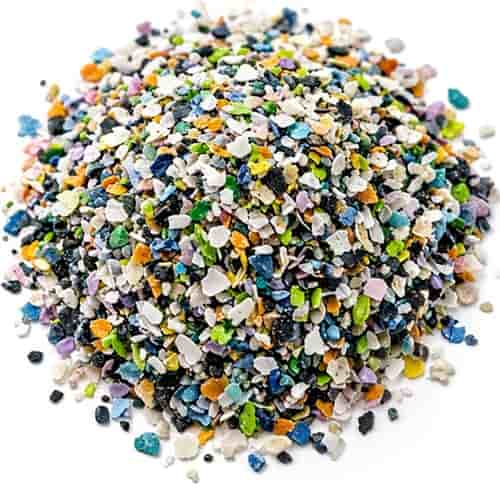
The latest NAPCOR report reveals a complex paradox: while domestic PET bottle collection fell to 29% in 2025, recycled content in packaging reached historic record highs.
US PET Recycling Rates
Urgent PET Recycling Paradox: rPET Use Hits Record High Despite Dropping US Rates
The North American plastic recycling landscape has hit a pivotal crossroads. The National Association for PET Container Resources (NAPCOR) released its 2025 PET Recycling Report, revealing a stark industrial paradox: bottle-to-bottle recycling efficiency and recycled content usage have climbed to historic highs, yet overall collection rates within the United States continue to slip.
As brand owners push to fulfill aggressive sustainability pledges, a widening gap between consumer collection efficiency and industrial demand is forcing North American manufacturers to rely on overseas supply chains.
Domestic Collection Slumps to 29 Percent
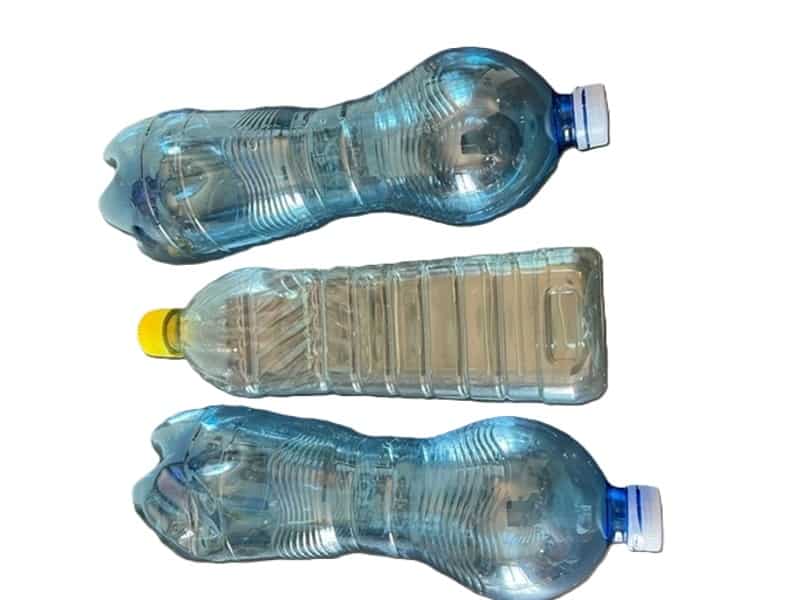
According to the Middleton, Wisconsin-based association, the U.S. PET bottle collection rate dropped to 29 percent in 2025, falling from 30.2 percent in 2024 and continuing a two-year decline. Total postconsumer PET bottle weight collected by domestic municipal programs dropped 3.6 percent—from 1,889 million pounds in 2024 down to 1,821 million pounds in 2025.
This drop in collection occurred even as the volume of PET bottles entering the market expanded. Total PET bottle availability grew 0.6 percent to reach 6,286 million pounds.
Across North America—combining metrics from the U.S., Canada, and Mexico—the regional collection rate fell to 36 percent, down from 39.2 percent the prior year. Despite this regional drop, North American collection performance remains above the 30 percent baseline established by the Ellen MacArthur Foundation as the global benchmark proving recycling works at scale in practice.
| Metric | 2024 Benchmark | 2025 Benchmark | Trend / Impact |
| U.S. PET Bottle Recycling Rate | 30.2% | 29.0% | Declined 1.2% year-over-year |
| U.S. Bottles Collected for Recovery | 1,889M lbs | 1,821M lbs | Decreased 3.6% |
| PET Available on U.S. Market | 6,248M lbs | 6,286M lbs | Expanded 0.6% |
| Average U.S. Bottle rPET Content | 20.7% | 22.9% | All-time high achieved |
| Import Share of rPET Market | 35.5% | 39.1% | Record high import reliance |
Record Highs in Recycled Content and Bottle-to-Bottle Reclamation
Despite fewer domestic bottles entering recovery streams, processors achieved unparalleled circular efficiency with the materials they did collect.
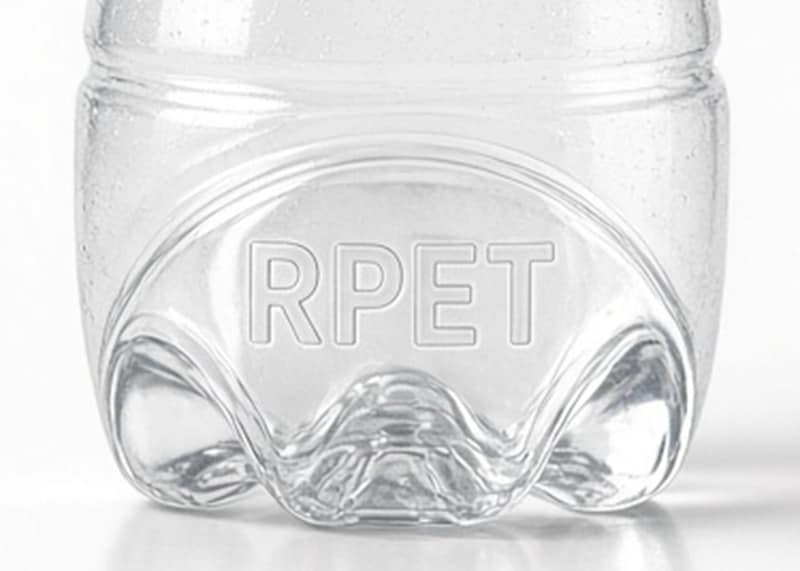
In 2025, 69 percent of all PET recycled across the U.S. and Canada went directly back into manufacturing new beverage and food packaging—the highest bottle-to-bottle conversion rate ever recorded by NAPCOR. Average postconsumer recycled (rPET) content inside U.S. bottles rose to a record 22.9 percent, up from a revised 20.7 percent in 2024.
This shift underscores how deeply consumer goods companies have integrated circular design into core packaging strategies, transitioning away from downcycling PET into single-use carpet fibers or strapping toward true closed-loop packaging ecosystems.
“More recycled PET is being used to make new bottles than ever before, and average recycled content in U.S. PET bottles has reached an all-time high. These milestones demonstrate the progress and potential of PET’s circular economy.”
— Laura Stewart, Executive Director of NAPCOR
PET Thermoform Recovery Reaches Historic Levels
Beyond traditional bottles, non-bottle PET packaging—specifically thermoform trays, clamshells, and containers—demonstrated significant recovery momentum.
Reclaimers across the U.S. and Canada processed a record 226 million pounds of postconsumer PET thermoforms in 2025. Although gross collection volumes of thermoforms dropped from 265 million pounds down to 247 million pounds due to reduced international export options, domestic reclaimers absorbed a significantly higher percentage internally. Advanced optical sorting facilities and updated wash-line technologies enabled North American reclaimers to process clamshell containers alongside standard beverage bottles with greater yield efficiency. US PET Recycling Rates
Rising Demand Fuelled by Foreign Imports
Total sales of rPET across North American end markets expanded by 5.6 percent in 2025. However, domestic infrastructure failed to reap the economic benefits of this expansion. The entire market growth was propelled by foreign imports of recycled resin.
Imported rPET captured a record 39.1 percent of the market share across the U.S. and Canada, up from 35.5 percent in 2024. Lower-cost rPET flaking and pelletizing operations overseas—primarily in Asia and Latin America—exerted severe margin pressure on domestic reclaimers, leading to capacity curtailments and domestic plant closures.
Industry leaders warn that over-reliance on imported rPET exposes North American manufacturing to supply chain volatility while leaving domestic recyclable material stranded in local landfills.
“We are concerned that to meet these new heights, the industry has had to resort to more imported rPET due to a loss of domestic reclamation capacity and pounds processed. A strong domestic recycling industry is essential to maintaining a reliable supply of high-quality recycled material and supporting American manufacturing.”
— Tom Busard, Board Chair of NAPCOR & Chief Polymers Officer at Plastipak Packaging
Legislative Actions to Fix US PET Recycling Rates
Addressing structural bottlenecks requires legislative and infrastructural updates across the national recycling framework. NAPCOR and manufacturing stakeholders emphasize three critical policy interventions:
-
Harmonized Extended Producer Responsibility (EPR): Establishing nationwide EPR mandates forces brand owners to fund municipal collection infrastructure, ensuring stable feedstock supplies for domestic reclaimers.
-
Expanded Deposit Return Schemes (DRS): Bottle bill states consistently yield collection rates double or triple those of curbside-only jurisdictions. Expanding container deposit systems supplies clean, high-grade PET bales free of curbside contamination.
-
Federal Infrastructure Incentives: Target tax credits and federal grants to build modern processing facilities, allowing domestic reclaimers to compete on cost with cheap virgin plastic and imported rPET resin.
Rebuilding domestic recovery networks will ensure that US PET recycling rates catch up with the record-setting industrial demand for circular packaging.
More…