US-Iran War Pushes Oil Prices Higher as Hormuz Risk Returns
US-Iran oil prices
US-Iran War Pushes Oil Prices Higher as Hormuz Risk Returns
Key takeaways
-
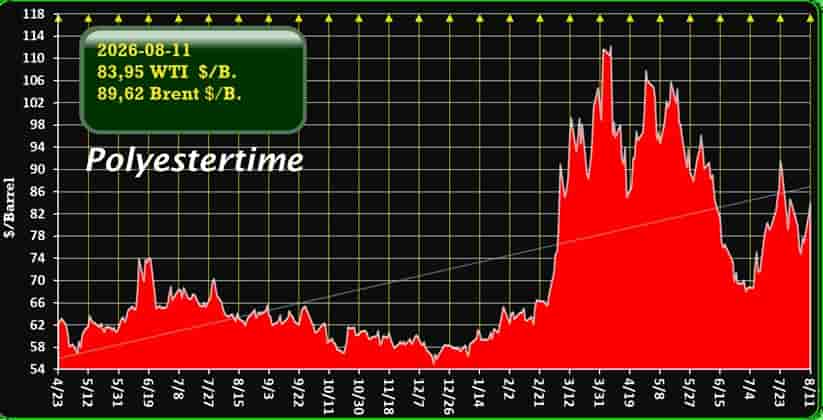
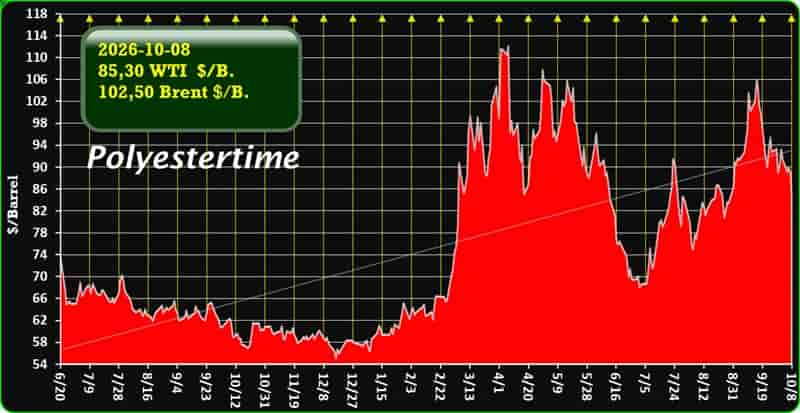
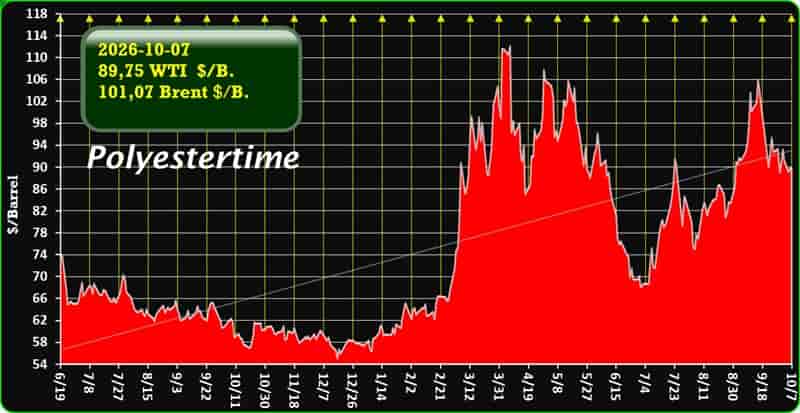
Brent crude is trading at approximately $89 per barrel, while West Texas Intermediate, or WTI, is near $83 per barrel.
-
Prices have risen as hopes for a rapid US-Iran settlement and a more dependable reopening of the Strait of Hormuz have weakened.
-
The market is paying for disruption risk, not simply the number of barrels currently unavailable.
-
A diplomatic breakthrough could remove part of the geopolitical premium. Renewed attacks on shipping or energy infrastructure could drive another sharp increase.
-
Oil prices remain highly volatile, so quoted prices should be treated as an August 11 snapshot rather than a fixed closing level.
Why oil prices are rising
Oil prices moved higher on August 11 as the market reassessed the chances of a near-term agreement between the United States and Iran.
Brent, the international benchmark, was trading around $89 per barrel. WTI, the principal US benchmark, was close to $83. Market prices vary throughout the session, but both benchmarks were near their highest levels since the end of July.
The latest increase followed a rise of roughly 5% during the previous session. The immediate catalyst was renewed uncertainty surrounding negotiations over the Strait of Hormuz, compensation demands and the conditions required for a more durable end to hostilities.
Associated Press reported that oil held near its recent high after Monday’s jump, with the unresolved status of Hormuz remaining the central concern. Price data available on August 11 subsequently placed Brent at approximately $89.
The Strait of Hormuz remains the decisive factor
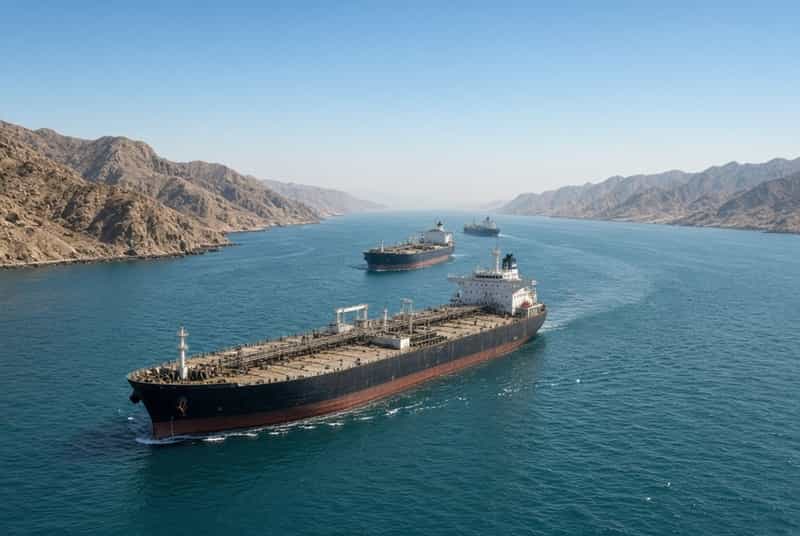
The Strait of Hormuz connects the Persian Gulf with the Gulf of Oman and the Arabian Sea. It is the principal export route for several of the world’s largest oil and gas producers.
Before the conflict, approximately 20 million barrels per day of crude oil and petroleum products moved through the waterway. The US Energy Information Administration describes Hormuz as one of the world’s most important oil chokepoints because of the volume involved and the limited capacity of alternative export routes.
Its importance extends beyond the oil that normally crosses the strait. According to the International Energy Agency, a prolonged disruption could also make much of the world’s spare production capacity harder to access.
This explains why oil can rise rapidly when negotiations deteriorate. Traders must account for the possibility that fewer tankers will sail, insurance and freight costs will increase, or regional production will be shut down because exporters cannot move their oil.
What is happening in the US-Iran conflict?
The five-month conflict has included US military operations against Iranian targets, Iranian action affecting commercial shipping and repeated disruption around Hormuz.
A June memorandum of understanding initially supported a partial recovery in traffic and caused oil prices to retreat. The agreement did not produce lasting stability, however, and hostilities subsequently escalated again.
US Central Command announced renewed military strikes during July and said its operations targeted Iranian coastal defences, missile and drone sites, and maritime capabilities. CENTCOM also announced the resumption of a naval blockade. These are official US military statements and represent Washington’s account of its operations.
The diplomatic dispute now includes competing compensation demands and disagreements over sanctions, naval activity and access to the waterway. Statements made on August 11 reduced market confidence that a comprehensive agreement was close.
Because negotiations and military developments can change quickly, reports of an open, closed or partially operating strait should be treated carefully. Commercial traffic, legal access and practical safety for tankers are not necessarily the same thing.
How serious has the supply disruption been?
The disruption earlier in the conflict was historically large.
The IEA estimated that Hormuz flows fell from around 20 million barrels per day before the war to an average of about 2.7 million barrels per day during March, April and May. It calculated that cumulative Middle Eastern supply losses had exceeded 1.3 billion barrels by late June.
Alternative pipelines, supplies from other producing regions, inventory withdrawals and adjustments by refiners prevented an even more severe shortage. These measures nevertheless cannot replace the full capacity of Hormuz indefinitely.
The IEA said on July 21 that renewed hostilities affecting Hormuz and regional energy infrastructure had increased supply-security concerns and market uncertainty. Its statement on oil markets did not offer a precise price prediction.
Why Brent is more expensive than WTI
The spread between Brent near $89 and WTI near $83 is approximately $6 per barrel, although it changes continuously.
Brent has greater exposure to internationally traded seaborne oil. A threat to tanker traffic in the Middle East can therefore have an especially strong influence on this benchmark.
WTI reflects conditions in the US market, including domestic production, refinery demand, inventories and pipeline capacity. The United States is not insulated from an international supply shock, but its large domestic production base can soften some of the immediate physical pressure.
Shipping costs, crude quality and the location and delivery terms of each benchmark also contribute to the difference.
Three possible paths for oil prices
1. Diplomacy lowers the risk premium
A credible ceasefire, predictable tanker passage and an enforceable reopening arrangement would probably reduce the geopolitical premium embedded in current prices.
More Middle Eastern production could return to the market, while refiners would face lower freight and insurance costs. Under this scenario, Brent could retreat even before exports fully recover because markets price expected supply as well as present supply.
This direction broadly matches the supply-recovery mechanism in the EIA’s July Short-Term Energy Outlook. That forecast was completed before the latest deterioration in negotiations, however, so it should not be read as a real-time target.
2. An unstable stalemate keeps prices volatile
A second possibility is prolonged but incomplete disruption: some ships pass, negotiations continue intermittently, and neither side reaches a durable settlement.
This could keep Brent and WTI elevated without producing an uninterrupted rise. Headlines about talks, attacks, shipping movements and sanctions would cause sharp changes in both directions.
At present, this appears to be the scenario most consistent with the market’s behaviour. That is an assessment, not a certainty.
3. Renewed escalation triggers another price spike
A major attack on tankers, export terminals, pipelines or production facilities could rapidly lift crude prices.
The size and duration of any increase would depend on how much physical supply was lost, how long the disruption lasted and whether governments released emergency stocks. A temporary incident could produce a brief spike; extensive infrastructure damage could have a much longer effect.
Predictions of a specific extreme price should be treated with caution. They require assumptions about military events, shipping capacity and government responses that cannot be known in advance. US-Iran oil prices
What higher oil prices mean for consumers and businesses
A sustained increase in crude prices can raise petrol and diesel costs, although retail prices also depend on taxes, refinery margins, transport costs and exchange rates.
Airlines, logistics companies, agriculture and energy-intensive manufacturers are particularly sensitive to higher fuel prices. Businesses may pass part of the increase to customers, adding to inflation.
Oil-importing economies can also face weaker trade balances and currency pressure. Producing countries may receive more revenue, but they can lose that advantage if export routes remain blocked or production must be shut in.
The economic effect therefore depends on both price and availability. A high quoted oil price does not help a producer that cannot deliver its barrels.
Indicators to watch next
Readers following US-Iran oil prices should focus on verifiable operational evidence rather than political language alone:
-
Confirmed tanker movements through Hormuz
-
War-risk insurance and freight costs
-
Verified attacks on ships or energy infrastructure
-
Middle Eastern production and export volumes
-
Official US-Iran negotiations or signed agreements
-
Government releases from emergency oil reserves
-
EIA and IEA estimates of supply, demand and inventories
No single indicator is conclusive. Taken together, they show whether the market is facing a temporary risk premium or a lasting physical shortage.
Outlook
Brent near $89 and WTI near $83 show that the market has again attached a meaningful premium to the US-Iran conflict.
The immediate direction of oil prices is likely to depend less on broad political promises than on measurable improvements in tanker safety, export volumes and the durability of negotiations. If those conditions improve, part of the premium could unwind quickly. If attacks or restrictions intensify, prices could rise further.
For now, uncertainty is the dominant market force. Readers should expect rapid price changes and distinguish confirmed supply data from forecasts, claims by parties to the conflict and speculative price targets.
This article is market analysis and does not constitute investment advice.
Sources and methodology
This article was updated on August 11, 2026. It uses contemporaneous reporting from the Associated Press, together with market and supply information from the US Energy Information Administration, the International Energy Agency and official US Central Command releases. Official statements from a party to the conflict are identified as such rather than treated as independent verification.
Oil Prices and the Iran War: Why Brent Is Near $84
More…