Oil Markets Rattle as US–Iran–Israel Conflict Escalates
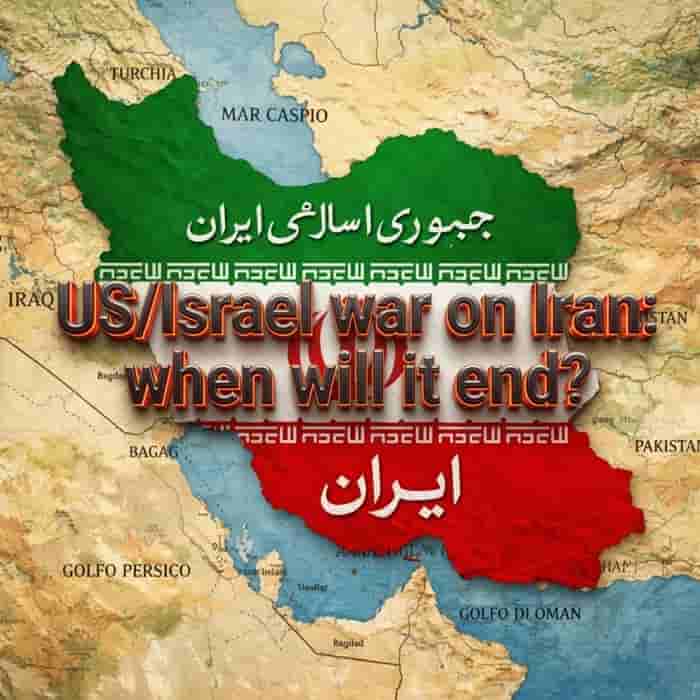
Rising tensions in the US–Iran–Israel conflict are shaking global oil markets, disrupting supply routes, and fueling economic uncertainty worldwide as ceasefire prospects remain fragile.

Rising tensions in the US–Iran–Israel conflict are shaking global oil markets, disrupting supply routes, and fueling economic uncertainty worldwide as ceasefire prospects remain fragile.
A massive US tariff refunds program worth $166 billion is underway, but legal, economic, and political uncertainties raise concerns for businesses and consumers alike.
The Strait of Hormuz blockade announced by the United States is shaking global markets, diplomacy, and energy security. Here are the key developments and risks shaping the crisis.
Europe’s energy crisis may persist even after the Iran conflict ends, with EU officials warning of prolonged high oil and gas prices, supply constraints, and rising electricity costs.
Rising US tariffs are shifting costs onto American consumers, reshaping trade flows, and testing the Federal Reserve’s independence amid growing economic uncertainty.
Latin America chemical costs are surging as geopolitical tensions disrupt resin markets, impacting packaging, construction, and agriculture across the region.
Rising energy and raw material costs are pushing Europe’s plastics industry toward potential shutdowns, with serious consequences for key sectors and supply chain stability.
The US dollar decline is increasingly shaped by political uncertainty rather than traditional economic indicators. Investors are now adjusting strategies as markets respond more to domestic politics than to growth or interest rate data.
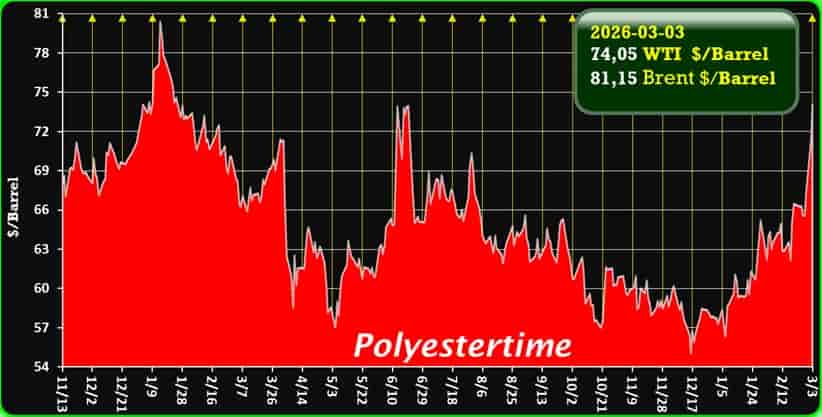
Explore today’s oil price movements with Brent near $80–85 and WTI around $73–78 per barrel. Understand how global supply/demand, geopolitical volatility, OPEC+ moves and investor sentiment are influencing markets—and what this means for the economy in the near term.