Oil Markets Rattle as US–Iran–Israel Conflict Escalates
US Iran Israel conflict oil prices
Escalating US–Iran–Israel War Triggers Oil Price Volatility, Global Economic Risks, and Supply Shock Fears Amid Fragile Ceasefire Talks and Rising Market Uncertainty
A Conflict on Edge: Latest Developments
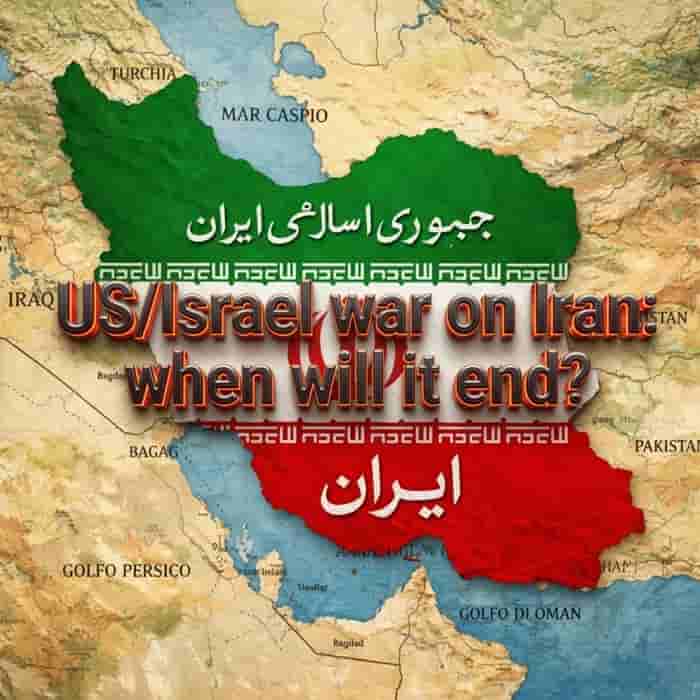
The ongoing US–Iran–Israel conflict has entered a volatile phase, with rapidly shifting developments reported by major international outlets including Reuters, Bloomberg, and Al Jazeera in the past few hours. Ceasefire negotiations remain fragile, with no clear consensus among the primary actors. US Iran Israel conflict oil prices
Recent reports indicate intermittent violations of informal ceasefire understandings, with localized strikes and military posturing continuing across key regions of tension. Israel has maintained heightened military readiness, while Iran-linked forces have signaled their capacity to escalate further if provoked. The United States, meanwhile, is actively engaged in diplomatic coordination while maintaining a significant military presence in the region.
Regional intermediaries, including Pakistan and Gulf states, are attempting to facilitate dialogue. However, the absence of a formal agreement underscores the uncertainty surrounding whether any temporary pause in hostilities will hold.
The situation remains fluid, and markets are reacting in near real time to each development. US Iran Israel conflict oil prices
Strategic Flashpoint: Strait of Hormuz Disruptions
At the center of the crisis lies the Strait of Hormuz, one of the world’s most critical النفط chokepoints. Roughly 20% of global oil supply passes through this narrow waterway, making any disruption immediately consequential.
Recent verified reports highlight:
- Partial naval blockades and heightened military patrols
- Shipping delays and rerouting of oil tankers
- Increased insurance costs for maritime transportation US Iran Israel conflict oil prices
Estimated Supply Disruption
| Factor | Estimated Impact |
|---|---|
| Oil flow through Hormuz | ~20 million barrels/day |
| Current disruption estimate | 3–5 million barrels/day |
| Tanker delays | 24–72 hours |
| Insurance premium increase | +30% to +50% |
Even limited disruptions at this scale are enough to trigger sharp reactions in global energy markets. Analysts describe the current situation as one of the most significant supply risks since previous major Middle East crises.
Oil under pressure : Oil Prices Surge and Swing
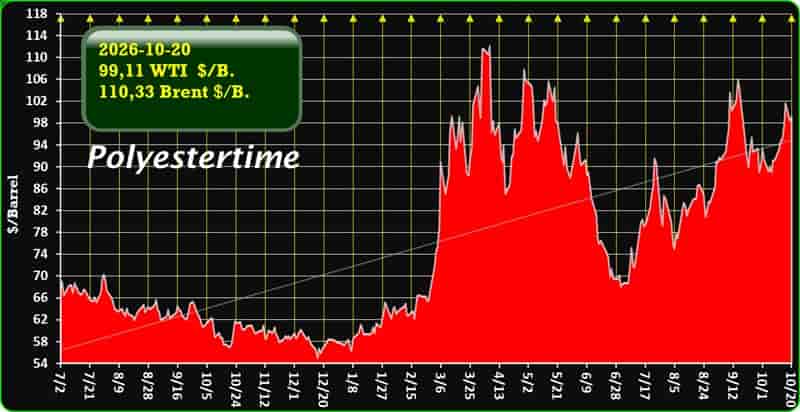
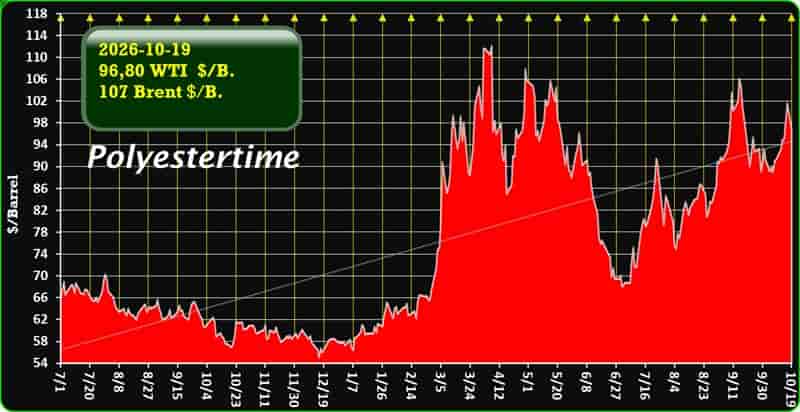
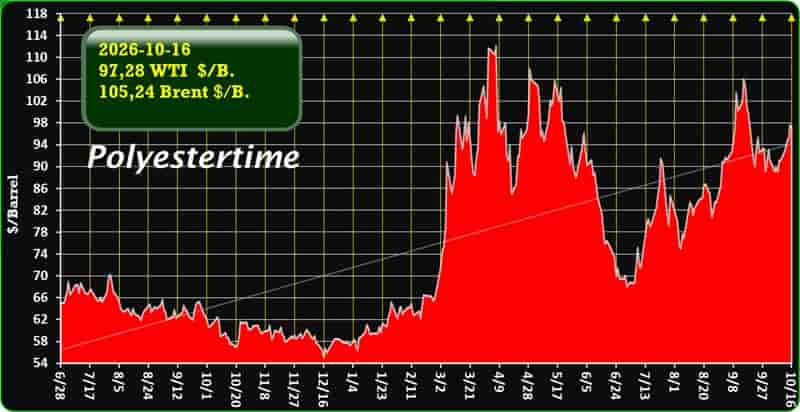
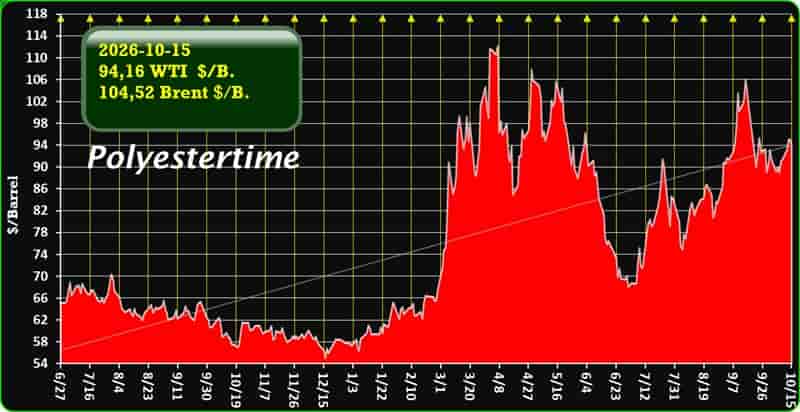
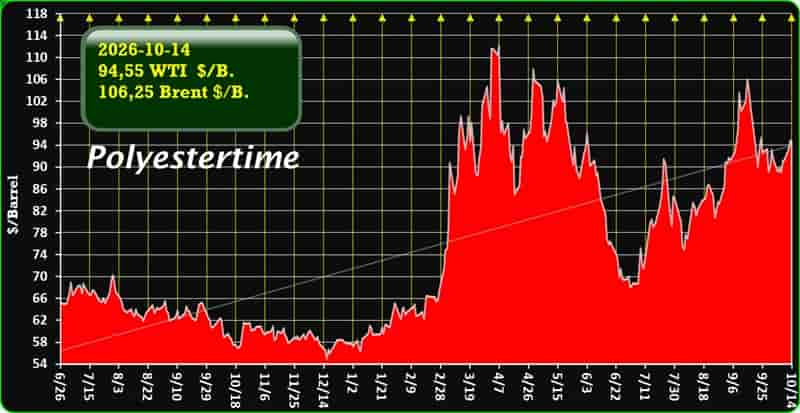
Oil markets have become the most immediate barometer of the conflict’s impact. As of the latest verified updates:
| Benchmark النفط | Current Price | Recent Peak | Trend |
|---|---|---|---|
| Brent Crude | ~$98/barrel | فوق $100 | Volatile |
| WTI Crude | ~$89/barrel | ~$95 | Fluctuating |
Prices initially surged above $100 per barrel amid fears of a prolonged disruption. However, they later eased slightly following reports of potential ceasefire progress. US Iran Israel conflict oil prices
Why Prices Are Fluctuating
Several key forces are driving this volatility:
1. Supply Shock
Disruptions in the Strait of Hormuz directly constrain global supply, pushing prices upward.
2. Demand Concerns
Rising prices are simultaneously raising fears of reduced global demand, particularly if economic growth slows.
3. Market Psychology
Oil traders are reacting not just to actual disruptions but to expectations and geopolitical signals.
4. Ceasefire Headlines
Even tentative diplomatic developments are triggering short-term price corrections. US Iran Israel conflict oil prices
This combination has created a highly unstable pricing environment, with rapid intraday swings becoming the norm.
Global Economic Ripple Effects
The consequences of the conflict extend far beyond energy markets. Early indicators show mounting pressure across the global economy.
Inflation and Fuel Costs
Countries heavily reliant on imported energy are already experiencing rising fuel prices. In the UK and parts of Europe, early data suggests inflation is being pushed upward by higher transport and energy costs. US Iran Israel conflict oil prices
Trade and Transportation
- Shipping routes are being rerouted
- Air travel costs are increasing due to fuel prices
- Delivery times for goods are lengthening
Food and Supply Chains
Energy is a critical input for agriculture and logistics. Analysts warn that prolonged disruption could:
- Increase food production costs
- Disrupt fertilizer supply chains
- Contribute to global food price inflation
LNG and Energy Markets
Liquefied natural gas (LNG) markets are also tightening as countries seek alternatives to oil, increasing competition and price pressure across the broader energy sector. US Iran Israel conflict oil prices
Short-Term vs Long-Term Outlook
Short-Term Outlook
In the immediate future, markets are likely to remain highly sensitive to geopolitical developments.
Key expectations:
- Continued oil price volatility
- Rapid reactions to ceasefire news
- Potential demand slowdown due to economic uncertainty US Iran Israel conflict oil prices
Long-Term Outlook
If the conflict persists, structural changes in global energy systems may accelerate.
| Area | Potential Shift |
|---|---|
| Energy security | Increased strategic reserves |
| Supply diversification | New trade routes and partners |
| Renewable energy | Faster transition investments |
| Geopolitical alliances | Realignment in energy partnerships |
Analysts note that prolonged instability could reshape global energy dynamics for years, not just months.
Key Takeaways
- The US–Iran–Israel conflict remains unstable, with no confirmed lasting ceasefire
- The Strait of Hormuz is a critical pressure point affecting global oil supply
- Oil prices have surged and remain volatile due to supply risks and market uncertainty
- Global economy is already feeling the effects through inflation and trade disruption
- Long-term energy strategies may shift as countries seek greater resilience US Iran Israel conflict oil prices
Final Analysis
The current crisis represents a convergence of geopolitical tension and economic vulnerability. While markets are reacting sharply to immediate developments, the broader implications could extend far beyond oil prices.
The next phase will depend heavily on diplomatic outcomes. If ceasefire efforts stabilize the region, markets may regain balance. If not, the the world could face a prolonged period of elevated energy costs and economic uncertainty.
For now, volatility remains the defining feature of both the conflict and the global response.
Strait of Hormuz tensions risk 3 shocks
More….