Oil Price Surge Signals Market Uncertainty Ahead
Oil price volatility rises as geopolitical risks and supply pressures drive markets higher, signaling uncertainty but potential opportunities for energy investors worldwide
Oil Price Trend: April 22, 2026
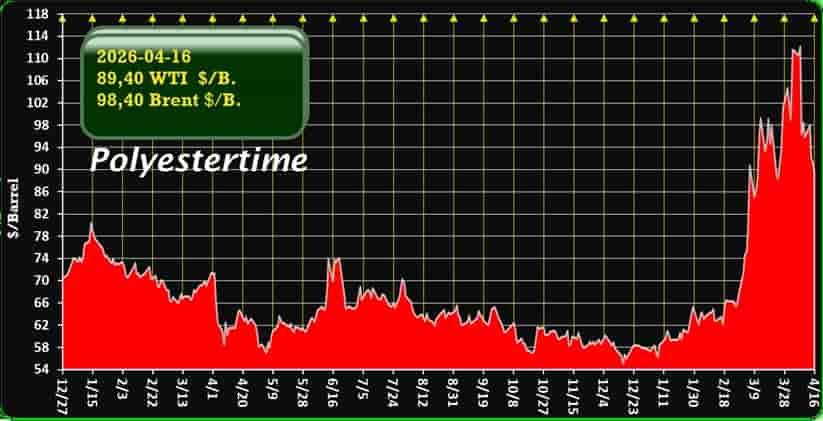
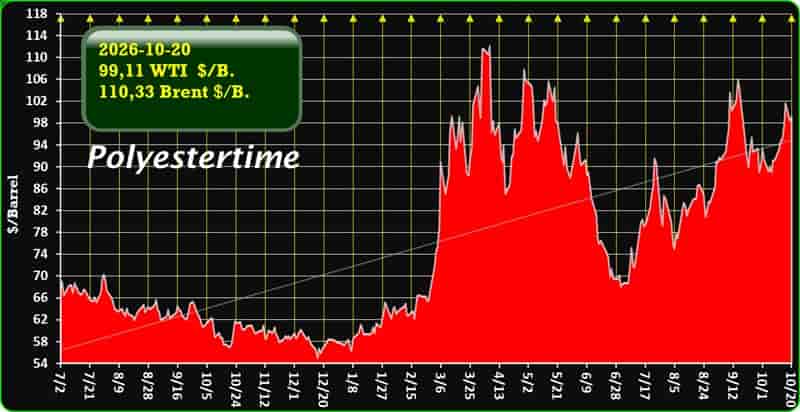
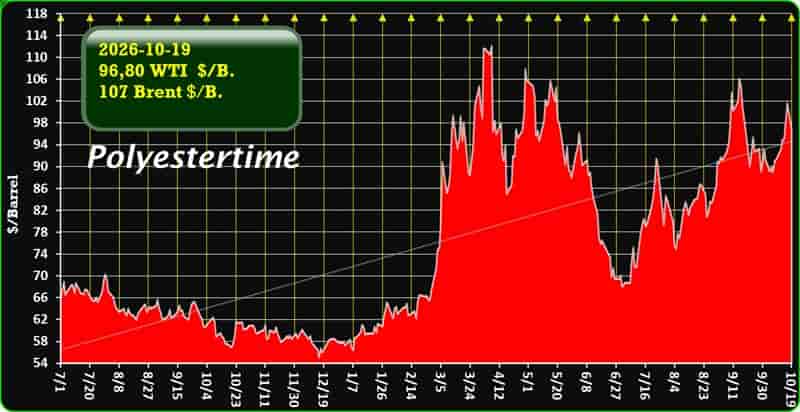
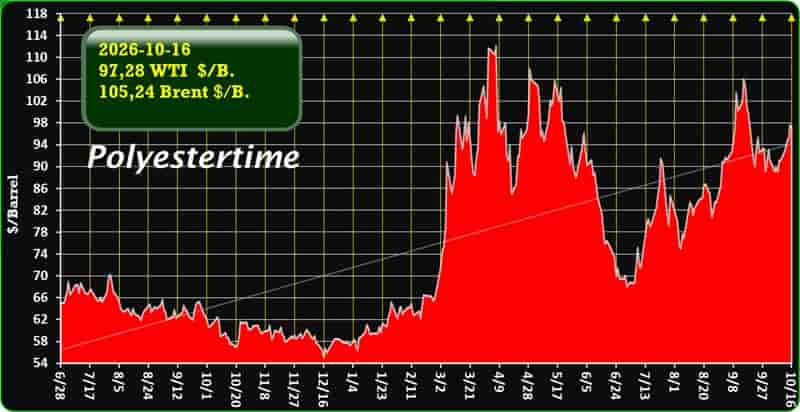
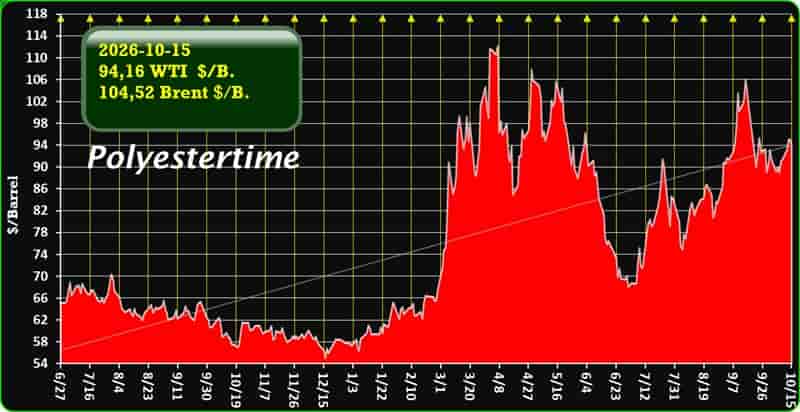
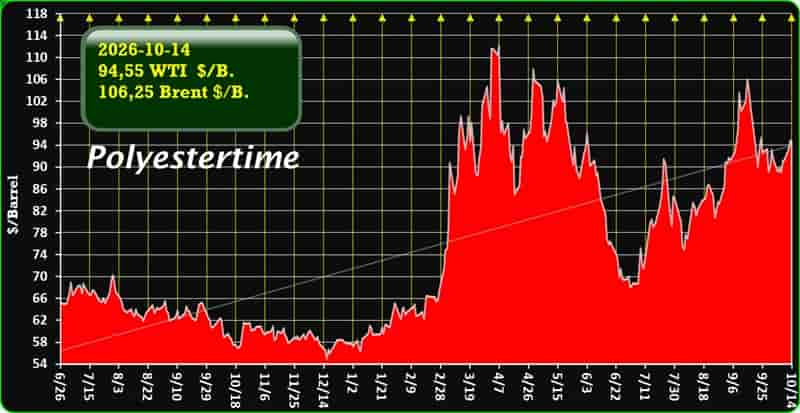
The oil price remains firmly elevated as of April 22, 2026, with Brent crude trading in the $90–100 per barrel range and WTI hovering between $85–95 per barrel. This sustained strength in the crude price reflects a complex interplay of geopolitical risks, supply constraints, and cautious demand expectations.
Recent market movements suggest that the crude price is being driven less by short-term demand shocks and more by structural concerns about supply security. While volatility persists, the broader trend signals resilience in global energy markets.
Current Brent and WTI Movements
Brent crude, the global benchmark, has maintained a strong position near the upper end of its recent range. Meanwhile, WTI continues to trade at a slight discount, reflecting regional supply dynamics in North America. The oil price spread between the two benchmarks remains relatively stable, indicating balanced but cautious market conditions.
Intraday fluctuations have been influenced by headlines around geopolitical developments and macroeconomic data releases. Traders are reacting quickly to any signals that could disrupt supply or weaken demand, keeping the crude price highly sensitive to news flow.
Key Factors Driving the Oil Price
1. Global Supply Constraints
One of the primary drivers of the crude price is tightening global supply. OPEC+ has maintained disciplined production cuts, limiting output to support prices. Compliance among member countries remains high, reinforcing upward pressure on the crude price.
Non-OPEC production growth, particularly from U.S. shale, has been steady but not enough to offset these cuts بالكامل. As a result, supply remains constrained, underpinning the current crude price levels.
2. OPEC+ Strategy
OPEC+ continues to play a decisive role in shaping the oil price. The alliance has signaled its willingness to adjust output policies depending on market conditions. Recent communications suggest a preference for maintaining price stability rather than aggressively increasing supply.
This strategic restraint has helped keep the crude price within a higher trading band, supporting revenues for producing nations while avoiding excessive volatility.
3. Geopolitical Developments
Geopolitical tensions, particularly in the Middle East, are adding a significant risk premium to the crude price. Concerns about potential disruptions to key supply routes are keeping markets on edge.
Inspired by recent analyses suggesting that conflict involving Iran could initially dampen demand but eventually tighten supply, investors are factoring in both short-term uncertainty and long-term scarcity. This dual effect is contributing to the elevated crude price outlook.
4. Demand Dynamics and Economic Data
Global demand remains mixed. While some regions show signs of economic slowdown, others continue to demonstrate resilience. China’s recovery trajectory and industrial activity in emerging markets are key variables influencing the oil price.
Recent economic data has been uneven, with inflation concerns and interest rate policies affecting consumption patterns. Despite these uncertainties, demand has not weakened enough to significantly lower the crude price.
Investor Sentiment
Investor sentiment around the oil price is cautiously bullish. Hedge funds and institutional investors have increased their long positions, anticipating continued supply tightness.
However, there is also a degree of caution. Market participants are aware that sudden shifts in economic conditions or geopolitical developments could quickly reverse the oil price trend. This balanced sentiment is reflected in moderate but steady inflows into energy assets.
Oil Price Drivers at a Glance
| Factor | Impact on Oil Price | Current Trend |
|---|---|---|
| OPEC+ Production Cuts | Upward Pressure | Stable/Supportive |
| Geopolitical Risks | Upward Pressure | Increasing |
| Global Demand | Mixed | Moderately Stable |
| U.S. Shale Output | Downward Pressure | Limited Growth |
| Economic Indicators | Uncertain | Volatile |
Short-Term Outlook
In the short term, the oil price is likely to remain within its current range, with a bias toward the upside. Continued OPEC+ discipline and geopolitical risks are expected to support prices, while demand uncertainties may cap significant gains.
A breakout above $100 for Brent could occur if supply disruptions intensify. Conversely, any signs of demand weaknessor economic slowdown could push the crude price toward the lower end of the range.
Implications for the Global Economy
Elevated oil price levels have broad implications for the global economy. Higher energy costs can contribute to inflation, impacting consumer spending and monetary policy decisions.
For energy-producing countries, the current oil price environment provides fiscal support and investment opportunities. Meanwhile, importing nations may face increased economic pressure.
Conclusion
The oil price trend as of April 22, 2026 reflects a market shaped by supply discipline, geopolitical uncertainty, and cautious demand expectations. While volatility remains, the underlying fundamentals suggest continued strength in the near term.
For investors and policymakers alike, monitoring the evolving dynamics of the oil price will be critical in navigating the complex landscape of global energy markets.
Oil Price Trend Steady Amid Global Uncertainty
More…